Knit vs Woven Fabrics Explained
By The Velocity Wear Team
Need this made?Get pricing for this product— free, no obligation, 50 pieces minimum.
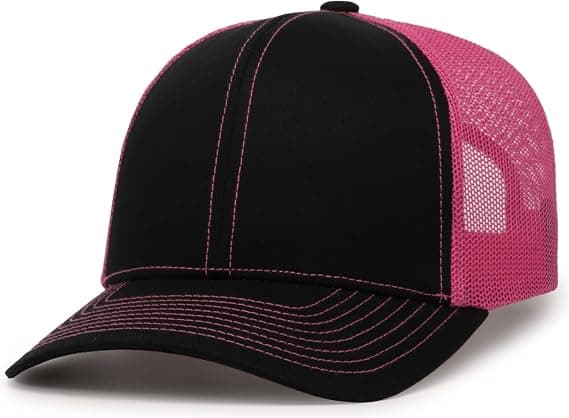
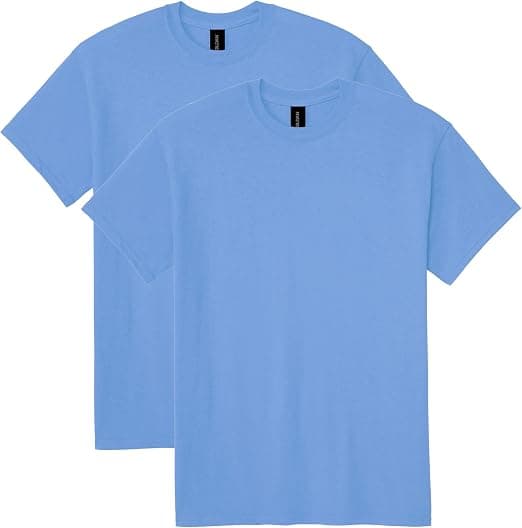
A knit is made from one continuous yarn looped through itself, which is why it stretches and springs back. A woven is made from two sets of yarn crossing at right angles, which is why it holds a shape and creases. Nearly every t-shirt, polo, sweatshirt and hoodie you will ever order is a knit. Nearly every business shirt, jacket, apron, tote bag and cap panel is a woven.
The Structural Difference In One Paragraph
In a knit, each loop is held by the loops around it, and the whole structure can shift and recover. That gives stretch in every direction without needing elastane, and it also means the fabric can be pulled out of shape and stay that way if it is treated badly. In a woven, the yarns are locked at their crossings and cannot move much. The fabric only gives on the diagonal, which is why a shirt feels stable and a jersey tee feels forgiving.
Knits You Will Meet On A Quote
Single jersey is the standard t-shirt fabric, smooth on the front and slightly looped behind. Piqué is the textured knit used for polo shirts, with a raised waffle-like surface. Interlock is a double-faced knit, smoother and with more body than jersey at the same weight, common on better polos and children's wear. French terry has small loops on the inside and makes a lighter sweatshirt with good drape. Brushed-back fleece is that same loop structure combed into a soft nap, which is what most hoodies are made from. Rib is the stretchy structure used for cuffs, collars and hems.
Wovens You Will Meet
Poplin is the smooth, crisp shirting used for formal business shirts. Twill has a visible diagonal line, wears harder and drapes more fluidly, which is why it shows up in chinos, workwear trousers and chef jackets. Oxford is a slightly basketweave shirting with a casual texture. Canvas and duck are heavy plain weaves used for aprons, tote bags and hard workwear. Ripstop carries a reinforcing grid that stops small tears spreading, and softshell is usually a woven face bonded to a knit backing.
What This Means When You Print
Knits move. They stretch under a squeegee and relax afterwards, so tight multi-colour registration is genuinely harder on a light jersey tee than on a canvas bag. Knits also carry surface texture, and piqué's raised grid breaks up fine lines and small type, which is a large part of why polos are almost always embroidered rather than printed. Wovens hold detail well, but heavy weaves and ripstop have their own texture, and water-repellent or coated finishes can stop ink keying to the surface at all. Always confirm the finish before promising a printed result on technical outerwear.
What This Means When You Embroider
Knits need cut-away backing, because the fabric will keep moving for the life of the garment and something has to hold the design square. Wovens are often perfectly happy with tear-away, since the structure supports itself. High-pile knits such as brushed fleece need topping so the stitches do not sink. Very open knits let stitches disappear between loops. Wovens hold a crisp edge, which is why crests and fine lettering look sharpest on shirts, caps and canvas.
Quick Guide To Matching Fabric To Job
- Everyday branded tees and hoodies: knits, decorated with screen print, DTG or DTF.
- Polos and uniform knitwear: piqué knit, embroidered for durability and legibility on the texture.
- Corporate shirts and blouses: woven poplin or oxford, embroidered small on the chest or cuff.
- Aprons, tote bags and heavy workwear: woven canvas or twill, which take bold prints and heavy stitching well.
- Sports kit: knitted polyester, usually sublimated so the design becomes part of the fibre.
Shrinkage, Shape And The Reorder Problem
Knits shrink more than wovens, mostly in length, and coarser open-end knits move more than combed ring-spun ones. Wovens shrink less but crease far more. If a uniform has to look identical across a rollout that runs for two years, a woven shirt gives you a more stable target than a knit tee, because there is less to move between one production batch and the next. It is worth factoring that in before choosing garments purely on price.
“"Loops move, grids do not. Almost every surprise in an apparel order traces back to that one sentence."”
The Thing Buyers Get Wrong Most Often
Comparing GSM across constructions. A 180 GSM woven shirting is a substantial, opaque business shirt. A 180 GSM single jersey is a decent mid-weight t-shirt. A 180 GSM fleece would be a distinctly thin hoodie. Weight per square metre only tells you something when you are comparing two fabrics of the same construction and fibre. Used across categories it is close to meaningless, and it is the number most often quoted as though it settled the argument.