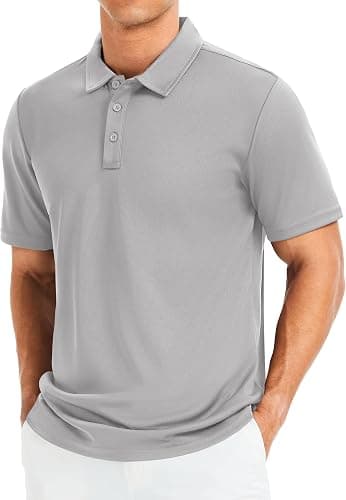
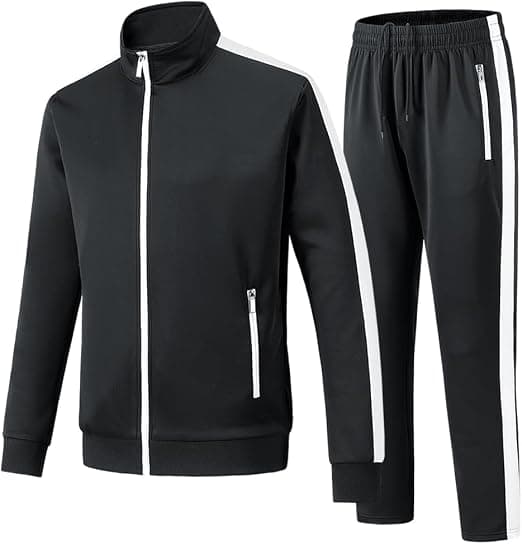
How to Manage Apparel for Volunteers
By The Velocity Wear Team
Need this made?Get pricing for this product— free, no obligation, 50 pieces minimum.
Volunteer apparel has to be managed differently to staff uniform because the wearers are unpaid, turnover is high and unpredictable, and nothing can be made a condition of employment. The approach that holds up is a short range in forgiving unisex cuts, ordered in one annual run with a buffer, decorated for identification rather than personalisation, and budgeted on the assumption that a good proportion of it is not coming back.
The Job the Garment Is Doing
For staff uniform, the garment is doing brand work and professional-appearance work. For volunteers it is mostly doing one job: letting a member of the public tell, at twenty paces and in poor light, who to approach. That reframes almost every decision. A subtle left-chest embroidery in your brand colour is beautiful and useless at a crowded event. A large back print reading STEWARD or INFORMATION in a colour that separates from the crowd is what actually works.
This is the trade-off organisations resist most. Brand teams want the volunteer shirt to look like everything else the charity produces. On a busy site, legibility beats brand discipline, and the sensible compromise is a brand-correct front with a high-contrast, highly legible back.
What Goes on the Garment
Keep the decoration decisions to a short list and apply them consistently.
- The organisation name or logo on the front, kept modest so it does not compete with the identifier.
- A large role word on the back, in a colour with real contrast against the garment.
- The role, never an individual name, so the garment can be reissued to somebody else.
- No year, no event date and no strapline tied to a single campaign.
- For anyone working near traffic or plant, proper high-vis specification rather than a bright brand colour, because those are not the same thing.
“"Print the role, not the year. A dated tabard is a bin liner with a logo on it by the following spring."”
The Dating Mistake
Putting the year or the event name on general volunteer kit is the most expensive small decision in this whole area. It converts a garment with a three-year working life into one with a nine-month life, and it does so silently, because nobody notices until next season when a cupboard full of perfectly good tabards turns out to say the wrong thing. Reserve dated printing for the one-off commemorative tee that volunteers keep, and leave the working kit undated.
Sizing for People You Have Not Met Yet
Volunteer programmes almost never know who is coming. You are ordering for a population rather than a list of names, which means the sizing strategy is different: fewer sizes, cut generously, weighted towards the middle. Unisex cuts with room to layer are more useful than a fitted range, because a volunteer will wear the garment over whatever they arrived in, on a cold morning, outdoors.
Do carry the extremes though. Running out of 3XL on a Saturday morning means somebody who came to help stands out for the wrong reason, and that is a worse outcome than a few unused pieces.
One Run a Year, With a Buffer Built In
The minimum is 50 pieces per order, with sizes mixed freely inside the run. That number is the reason volunteer programmes have to plan annually rather than reactively. Six extra tabards in March is not an order. So the sensible pattern is a single yearly run sized for expected volunteers plus a deliberate buffer for the ones who turn up unannounced, ordered at a quantity that also takes you further into the bulk discount, which reaches up to around 35%.
The buffer is not waste. It is the thing that stops you needing a second order, and a second order at a small quantity is exactly the expensive scenario you were trying to avoid.
Assume the T-Shirts Are Gone
Be realistic about recovery. Printed tees and polos issued to volunteers largely do not come back, and chasing them costs more in goodwill and admin than the garments are worth. Higher-value items are a different matter. Branded softshells, coats and hi-vis carrying site identification are worth signing out and worth asking for at the end of a season, and volunteers generally accept that distinction without any friction because it is obviously reasonable.
Write the split down and say at induction which category each item falls into. The awkwardness comes from ambiguity, not from the ask.
Reissuing What Does Come Back
Anything with an individual name applied in vinyl is effectively that person's garment forever, which is one more argument for role-based rather than name-based decoration. Everything else can be laundered and reissued. Keep returned stock sorted by size and count it back into your numbers before the next annual order, because a programme that reorders on expected volunteer numbers while holding forty serviceable tabards is buying kit it already owns.
Budget It as a Programme, Not a Purchase
Volunteer apparel is a recurring cost with a predictable shape: one main run, one replacement tranche for wear and loss, and a small allowance for growth you did not forecast. Treat it as an annual budget line rather than an occasional request and the ordering becomes routine. The free instant price calculator helps here, because you can test how a larger single run compares with a smaller one before committing to numbers.