How to Handle Uniform When Staff Leave
By The Velocity Wear Team
Need this made?Get pricing for this product— free, no obligation, 50 pieces minimum.
Decide the rules before anyone leaves and write them into the uniform policy, then split the wardrobe into two groups: low-value branded items that are not worth recovering, and high-value or identification-carrying items that are. Handle the recovery through the standard offboarding checklist rather than as an awkward request on somebody's final afternoon, and count whatever comes back into your stock by size.
Two Categories, Decided in Advance
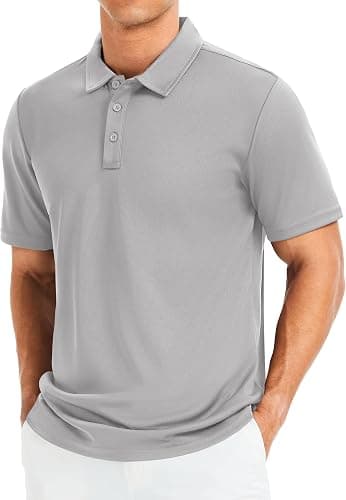
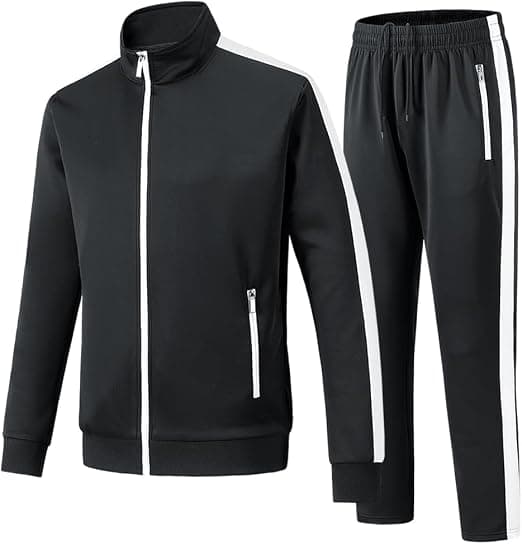
Every garment you issue falls into one of two buckets, and the mistake is treating them the same. Printed t-shirts, sweatshirts and everyday polos are inexpensive, they carry the wear of daily use, and the administrative effort of chasing them comfortably exceeds their value. Branded softshells, coats, structured jackets and anything carrying site identification are worth recovering, and everyone understands why without being told twice.
Write the split down as a list of actual garments rather than as a principle. A principle gets interpreted. A list does not.
Why Chasing a Printed Tee Wastes Everyone's Time
There is a real cost to pursuing low-value items, and it is not the garment. It is a manager's time, a slightly sour final week for someone who may well be a future customer or a returning employee, and a reputation for pettiness that travels further than you would like. A worn polo returned after a year of daily use is not going back into service anyway. Let it go and price it into the replacement budget instead.
What You Should Always Recover
Some items are worth being firm about, and the reasons are practical rather than financial.
- Outerwear and structured jackets, because they hold value and reissue well.
- Anything printed or embroidered with a role that implies authority or access.
- High-visibility garments carrying site or contractor identification.
- Issued PPE, which has its own handling and inspection requirements.
- Anything with a card, fob or badge still attached to it, which happens more often than people expect.
What Can Genuinely Be Reissued
Laundered embroidered polos, fleeces and coats reissue perfectly well, and most workforces are entirely relaxed about it as long as the garment is clean and in good condition. What does not reissue is anything carrying an individual name applied in vinyl, because that garment now belongs to one person permanently.
That has an ordering consequence worth acting on. If you are personalising names onto garments in a role with high turnover, you are converting reusable stock into single-use stock at the moment of ordering. Name badges achieve the same thing and come off. Reserve personalised garments for stable, long-tenure roles.
Put It in the Policy, Not in a Difficult Conversation
Everything above belongs in the uniform policy and should be referenced at induction, so a leaver is being reminded of something they already agreed to rather than asked for something new. Cover which items return, in what condition, to whom, and by when.
One area needs proper care. Rules on deducting the cost of unreturned items from final pay are strict and depend on what the employment contract actually says. This is not something to design from first principles or copy out of another organisation's handbook. Check current GOV.UK guidance and take proper employment advice before writing anything of that kind into a policy.
“"The uniform policy you write on somebody's last day is not a policy, it is an argument, and you are having it at the worst possible moment."”
Build It Into Offboarding Properly
Put uniform on the same checklist as laptops, keys and access passes, and make the line manager responsible for collecting it rather than leaving HR to chase by email after the person has gone. The manager sees the individual, knows what they were issued, and can do it in thirty seconds inside a normal conversation. A central function trying to recover a coat from someone who left three weeks ago rarely succeeds.
Give the returned items a named destination too, because the second failure mode is recovery working perfectly and the garments then sitting in a bag under a desk for six months.
Count It Back In, By Size
This is the step that connects offboarding to purchasing, and almost everybody skips it. Log recovered garments back into stock by size, not just as a count. Leavers are not distributed evenly across the size curve, so a run of departures can leave you unexpectedly deep in one size and no better off in another. If your next order is calculated from headcount rather than from actual stock by size, you will order the wrong shape and find out several months later.
The Ordering Habit That Shrinks the Problem
Turnover is a purchasing input, not just an HR statistic. In roles where people move on frequently, order fewer personalised items, favour garments that reissue cleanly, and keep the core range narrow so recovered stock actually fits somebody else. With a 50-piece minimum per order, an organisation that recovers and reuses well places fewer emergency runs and pushes more of its buying into the scheduled ones, which is where the better pricing lives.