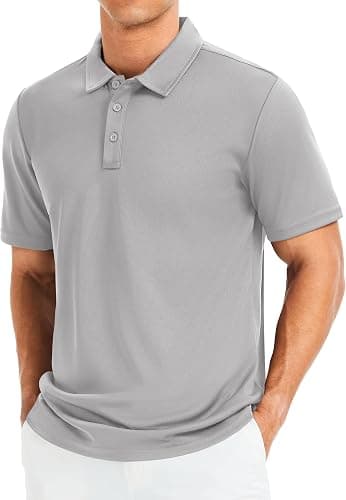
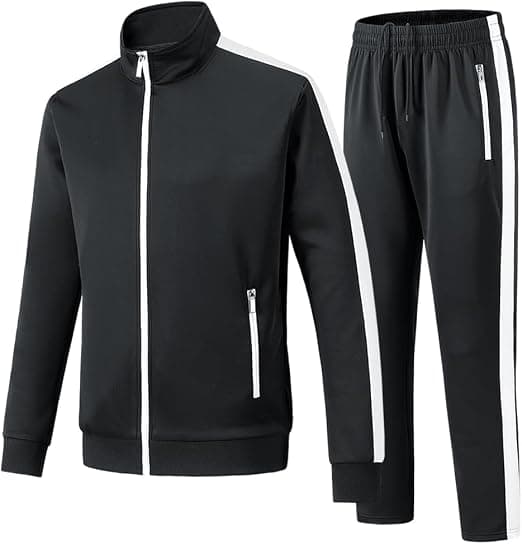
How to Handle Uniform for Remote Workers
By The Velocity Wear Team
Need this made?Get pricing for this product— free, no obligation, 50 pieces minimum.
For remote workers, start by deciding whether kit is warranted at all. If someone never appears in front of a customer, branded clothing is a gift rather than a uniform, and it should be judged as one. If they do meet clients, run site visits or attend events, then the questions become sizing without a fitting, shipping to home addresses, and what happens when they leave.
The Question People Skip
A uniform exists so customers can identify staff and so a team looks consistent in public. A remote worker who works alone from home satisfies neither condition. Issuing them a polo does not make anything more uniform. It makes them the owner of a polo.
That is not automatically a reason not to do it. A welcome pack matters for people who never set foot in an office and it is a reasonable thing to spend money on. Just be honest that you are buying belonging rather than uniformity, because it changes what you should order and how much you should agonise over the size.
When Remote Kit Genuinely Earns Its Place
There are clear cases. Field-based staff who visit customer sites need to look like they belong to your organisation. Hybrid staff who come in for occasional all-hands or client days need the same kit as everyone else, or those days look mismatched. Anyone representing you at an event or exhibition needs proper branded clothing.
Fully remote back-office staff are the genuinely awkward middle. A single good hoodie or fleece at onboarding usually serves better than a full issue nobody will ever wear twice.
Sizing Without a Fitting
You cannot circulate a sizing set to forty home addresses, so make the self-measurement route as easy as possible. Send the garment's actual measurements laid flat, ask the person to measure a garment they already own and like, and match against the chart. That is more reliable than asking for a size letter.
Then choose garments that forgive a near miss. This is the practical lever available to you, and it matters more for remote issuing than anything else.
- Prefer relaxed fits over slim or tailored cuts, because a generous cut absorbs a one-size error and a fitted one does not.
- Hoodies, sweatshirts and fleeces tolerate size error far better than shirts, which fail on collar and sleeve length.
- Avoid garments where sleeve length is critical, since that is the measurement people get wrong most often when self-reporting.
- Stick to one garment style across the remote group, so a swap between two people is possible when someone guesses wrong.
- Offer the exchange route upfront in writing, because someone who is embarrassed to ask will simply never wear it.
Shipping to Home Addresses
This is where the administration lives. Home addresses are personal data and should be collected and stored the same way you handle any other employee information, held only as long as you need them and not spread across spreadsheets and email threads.
Practically, ask for the address at the same time as the size, in the same form, and confirm it before dispatch rather than after a failed delivery. Tracked delivery matters more here than for a site consignment, because there is no reception desk to sign for anything. For international remote staff, note that customs handling and any duties on shipments abroad are the destination country's business, so check the current guidance from that country's customs authority before committing to a delivery date.
“"A branded hoodie sent to someone's front door is not uniform. It is onboarding wearing a uniform's clothes."”
Order Together Even When Delivery Splits
Do not let geography fragment your ordering. Produce remote staff kit in the same run as everyone else's, then split the delivery. One run keeps the garments consistent, which matters on the day the remote people finally do stand next to the office people.
It is also the cheaper route. Velocity Wear works from a 50-piece minimum per order with sizes mixed freely within the run, and bulk discounts reach up to around 35% as quantities rise, so a handful of individual orders is the worst possible way to buy the same garments.
Batch the Joiners
Ordering one hoodie every time somebody starts is expensive and slow. Hold a small buffer in your most common sizes for exactly this, and top it up on the next scheduled run. Since production starts at artwork approval and typically takes around 10 to 15 working days for screen printing and embroidery, a buffer is what lets a new starter receive something in their first fortnight.
Leavers and the Awkward Conversation
Decide in advance and write it into the policy. Recovering a worn hoodie from a former employee's home address is rarely worth the postage or the goodwill, and most organisations quietly accept that remote kit does not come back.
If it genuinely matters, say so at the point of issue rather than at the exit interview. Note that if you also avoid personalising remote kit with individual names, anything that does come back stays reissuable, which is a good reason to skip the name on the chest.
A Policy Short Enough to Follow
Who gets kit, what they get, how sizes are collected, where it ships, and what happens on exit. Five lines. Anything longer will not be read by the manager onboarding someone at short notice, which is the only moment the policy is ever consulted.