How Do I Stop Staff Losing Uniform?
By The Velocity Wear Team
Need this made?Get pricing for this product— free, no obligation, 50 pieces minimum.
Keep an issue record, give people enough kit in the first place, put names on the expensive layers, and make returning uniform part of leaving. Most garments recorded as lost are sitting in car boots, at the bottom of laundry baskets or in a former employee's wardrobe. Fixing the system beats policing individuals every time.
Find Out What Lost Actually Means
Before spending anything, work out where kit is going. There are usually four flows and they need different responses. Garments genuinely worn out. Garments held as personal spares by staff who have learned the cupboard runs dry. Garments that left with people who resigned. Garments that were issued to a name nobody wrote down. Only the last of these looks like theft, and in most organisations it is the smallest category by a wide margin. If you treat all four as a discipline problem, you will annoy your team and change nothing.
Issue Records Are Boring and They Work
A shared sheet listing who received what, in which size, on what date, does more for uniform control than any policy statement. It creates a moment of accountability at the point of handover, it tells you what your real replacement rate is, and it means the conversation when someone leaves is administrative rather than accusatory. It also gives you accurate sizes for the next order, which quietly saves more money than the missing garments were costing. Keep it simple enough that whoever runs the store will actually update it.
Give People Enough in the First Place
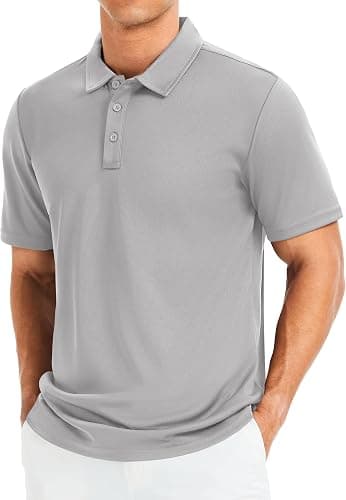
Hoarding is a rational response to scarcity. If someone has two polos, works four shifts in a row, and knows the store has been empty since March, they will take a third one the moment it appears and keep it in their locker. The cure is a properly sized initial issue and a visible buffer of stock in the common sizes. It feels counterintuitive to order more in order to lose less, but stock that exists is stock people stop stockpiling. It also stops the slow drift towards staff wearing their own clothes because nothing clean was available.
- Record every issue against a name, a size and a date, including replacements and the reason given.
- Set a stated entitlement per role so nobody has to negotiate, and so an unusual request is visible rather than awkward.
- Hold a buffer of the middle sizes, which is where almost all replacement demand lands.
- Make replacements easy to request but always logged, because friction pushes people towards hoarding rather than honesty.
- Review the log twice a year and look for patterns by site or role rather than by individual.
Names Cut Walk-Off but Kill Reissue
Personalisation is the most effective single deterrent, because a garment with someone else's name on it is useless to anybody else and awkward to keep. Vinyl or heat-applied names handle per-item personalisation neatly, and embroidered names suit premium outer layers. The catch is real: a named garment cannot be passed to the next starter, so anything you personalise is a garment you will replace rather than reissue. Most operations resolve this by naming the expensive, long-lived layers such as fleeces, softshells and jackets, and leaving tees and base polos plain.
“"Most missing uniform is not stolen. It is in a car boot, waiting for a wash nobody has organised."”
Make Handing Kit Back Part of Leaving
The largest single leak in most uniform programmes is leavers. It is also the easiest to close, provided the expectation is set at the start rather than sprung at the end. Say what will be issued and what should come back on the day someone joins, keep the issue record current, and give people a straightforward way to return items without an uncomfortable conversation. A collection point and a bag beats a formal handover meeting. Whatever comes back either goes into recycling with the branding destroyed, or, if it is a plain unnamed outer layer in good condition, back into stock.
Watch the Replacement Rate, Not the Incidents
Individual missing garments tell you almost nothing. The replacement rate over a year tells you a great deal. If one site consistently burns through twice the kit of an identical site, the answer is usually practical: no drying facilities, a dirtier process, a rota that leaves no laundry window, or a store that is never restocked. Those are fixable. Once you have a year of issue data, the next order is built on something real, and ordering it as one consolidated run rather than a series of emergency top-ups is where the bulk discount actually shows up.