How Do I Keep Branded Clothing Looking New?
By The Velocity Wear Team
Need this made?Get pricing for this product— free, no obligation, 50 pieces minimum.
Wash cool, wash inside out, and keep it out of the tumble dryer. Most branded clothing does not fail because the print gives up, it fails because heat and abrasion age the garment around it, and the dryer causes more of both than anything else in the process. Get the washing routine right and a properly cured screen print or a stitched logo will usually outlast the garment's own colour.
What Actually Wears Out First
It is worth being clear about the failure order, because people spend their attention in the wrong place. On a decent garment, the print is rarely the weak point. What goes first is the fabric: colour fading in the shoulders and chest where light and friction hit hardest, pilling on the sleeves and side seams, cuffs and hems stretching out of shape, and collars losing their structure. A crisp logo on a limp, faded, bobbled shirt still looks like old kit. So garment care is brand care, not an afterthought to it.
Heat Is the Main Enemy
Every decoration method dislikes heat, but they dislike it in different ways. Vinyl and DTF are heat-applied, which means enough heat can begin to soften the same adhesive that bonded them, and repeated dryer cycles are exactly that. Screen printing is more resilient once fully cured, but the aggressive tumbling that comes with dryer heat abrades the ink surface and encourages cracking on any print with large solid areas. Hot water also accelerates dye loss in the fabric itself. Line drying is the single highest-value habit you can adopt, and it costs nothing.
The same applies to ironing. Never put a hot iron directly onto a print or over embroidery. Turn the garment inside out and press the reverse, or work around the decorated area entirely.
Wash Inside Out, and Wash Cool
Turning a garment inside out puts the print against the fabric of the garment rather than against the drum and everything else in the load. Most visible print damage is abrasion, not chemical, so this simple step makes a genuine difference. Wash at 30 degrees or cold on a normal cycle, avoid cramming the machine so full that everything grinds against everything else, and separate branded kit from anything with zips, hooks or Velcro, which will snag embroidery and scuff prints.
Detergent, Softener and Bleach
Ordinary detergent is fine, and there is no need for anything specialist. What to avoid is more interesting. Chlorine bleach will attack both dye and ink and has no place near branded clothing. Fabric softener coats fibres with a thin residue, which dulls colours over time and, more importantly, ruins the wicking performance of technical polyester, so keep it away from performance kit entirely. Detergents with optical brighteners are designed for whites and can subtly shift the tone of coloured garments over many washes, which is worth knowing if a set of shirts needs to stay matched.
Embroidery Needs Different Habits
Stitched logos are the most durable decoration available, but they fail in their own particular way: snagging. A loop pulled out of a chest logo cannot be pushed back in. Keep embroidered garments away from Velcro, keys and rough surfaces, and if a thread does work loose, trim it carefully with scissors rather than pulling it, which drags more thread through and puckers the surrounding fabric. Embroidered garments also benefit from being dried flat or on a hanger rather than tumbled, since heat can shrink the fabric around the stabilised stitch area and create rippling.
Storage Does More Damage Than People Expect
A heavy hoodie hung on a thin wire hanger will develop permanent shoulder bumps within weeks, because the whole weight of the garment hangs on two small points. Heavy knitwear and sweatshirts should be folded. Shirts and polos are better hung, on a broad hanger. Do not store branded kit in direct sunlight, which fades both dye and ink, and do not put anything away damp.
Rotation Is the Cheapest Trick Available
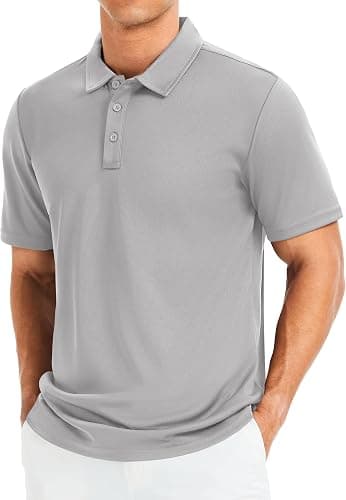
If a team member has three polos and wears their favourite four days a week, you have effectively bought one polo and two spares that will still look new when the first is finished. Issue kit as a clearly matched set and encourage even rotation. The whole set ages at the same rate, everyone looks consistent, and the replacement point arrives later and for the whole set at once, which suits ordering in a single run anyway.
- Turn garments inside out and wash at 30 degrees or cold on a normal cycle.
- Skip the tumble dryer entirely; line dry or dry flat, and never iron directly onto a print.
- Avoid fabric softener, especially on performance polyester, and never use chlorine bleach.
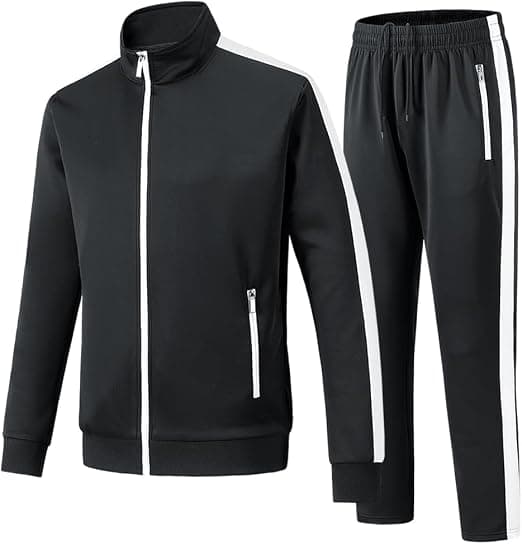
- Fold heavy hoodies rather than hanging them, and use broad hangers for polos and shirts.
- Rotate staff kit evenly so the whole set ages together rather than one favourite wearing out.
“"Nothing ruins branded kit faster than a tumble dryer, and nothing is easier to stop using."”
Buy Better Before You Care Better
Care extends the life of a garment; it cannot rescue a poor one. A 350 GSM hoodie will look presentable long after a 280 GSM giveaway has gone limp, ringspun cotton pills less than coarse carded yarn, and a properly cured print on a good blank simply starts from a higher point. If your kit is being replaced faster than you would like, the honest answer is usually the specification rather than the laundry. The instant price calculator makes it easy to compare a better blank against the volume you need, and the minimum is 50 pieces per order with sizes mixed freely.