Sizing a Clothing Order for Hotels
By The Velocity Wear Team
Split a hotel order by role first and by body size second. Housekeeping, front desk and spa rarely need the same curve, and sizes mix freely inside the 50-piece minimum, so the split itself costs nothing extra. A workable starting point is 10 percent small, 25 percent medium, 30 percent large, 25 percent XL and 10 percent 2XL, then adjusted against the rota you actually run.
How many of each size should a hotel actually order?
Begin with the rota rather than a generic curve. Count the people who wear the garment on every shift, add the bank staff who cover weekends and holidays, then leave a buffer for starters. A 50-piece run across a team of 35 leaves roughly fifteen spare pieces, which covers a year of new arrivals as long as those spares sit in the middle of the range. The full wholesale catalogue shows which products come in extended sizing, and the towel and spa linen side is quoted per job rather than from a fixed price, so the sizing question there is about specification instead of body fit.
Why does linen rotation change the size split?
Anything that goes through laundry every day needs more than one set per person. Housekeeping usually runs three deep: one on the body, one in the wash, one on the shelf. Front of house can often run two deep because the garment is worn for one shift and rests. Multiply the per-person count by the rotation depth before you touch the size percentages, or you will end up with a correct curve and half the volume you need.
Rotation depth also tells you where the wear will show. A garment washed 200 times a year loses colour long before it loses shape, so the size that gets ordered heavily is the size that will look tired first. Order the replacements in that size on the same run rather than waiting, because a second run of 50 pieces is a second order and a second lead time.
What happens to the sizes nobody wears?
Extreme sizes are where hotel orders go wrong. A single XS in a housekeeping run tends to sit in a cupboard for two years, while the 2XL shelf empties in three months. The honest fix is to order fewer of the outer sizes and hold the spare capacity in the two most common ones, then treat the outliers as a named request for a specific person. Size grading is not linear across a range, so a garment that fits well at medium can feel different at the ends, and we walk through why in our guide to getting a size run right.
How do you collect sizes from a team that changes?
Do not ask people what size they wear. Ask them to try on a garment, or circulate the measurements of the exact product you are buying. Chest width and body length taken flat from the sample tell you more than a label ever will, and they carry across departments. Once you have the numbers, keep them in the same document as your artwork and your order reference so the next person in the role can repeat the order without starting again. Our overview of branded kit for hotels covers the wider product list that sits around the sizing decision.
For properties running several departments off one design, collect sizes department by department and place a single order. The 50-piece minimum applies per design, so one shared design across housekeeping, maintenance and reception reaches the threshold faster than three separate runs, and the volume discount of up to 35 percent is measured against the total on the order rather than per department.
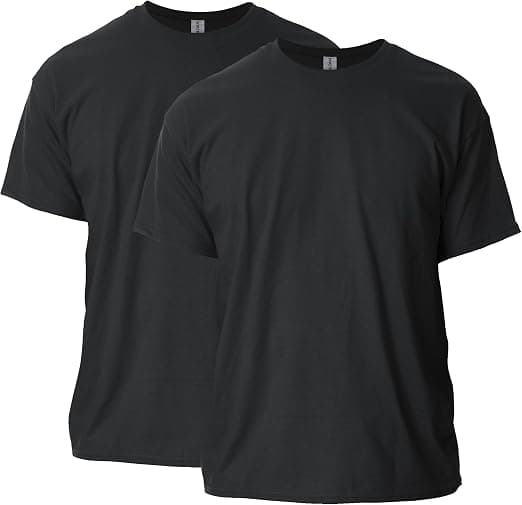
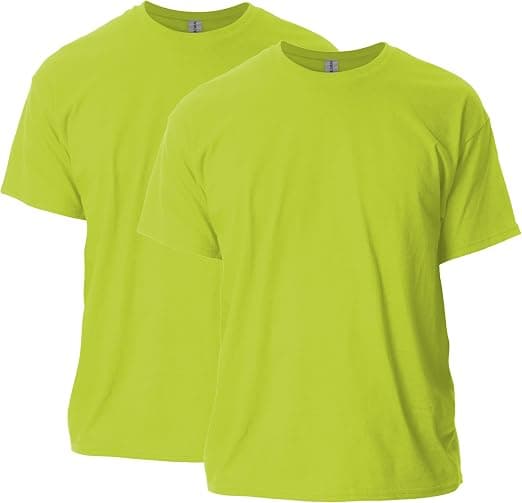
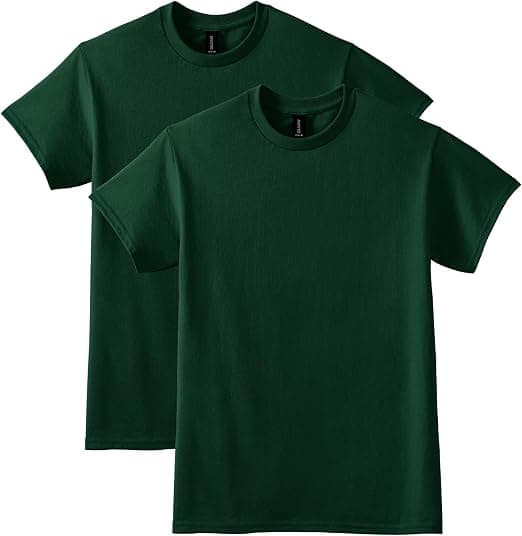
Two details often get missed on a hotel run. Print and embroidery position is measured down from the shoulder seam, so a chest logo placed for a medium sits slightly high on a 2XL unless the position is adjusted by size, and it is worth asking for that adjustment when the range spans five or more sizes. Fabric weight matters as well: a heavier cotton holds its shape and reads as roomier, while a light jersey clings and reads smaller at the same measurement. Both are easier to judge from a physical piece than from a chart, which is the practical argument for sampling before the curve is locked.