Hoodie vs Sweatshirt for Merch: Which One Actually Sells?
By The Velocity Wear Team
Need this made?Get pricing for this product— free, no obligation, 50 pieces minimum.
Hoodies carry higher perceived value and shift faster as a headline item, which is why they dominate merch tables. Sweatshirts win when the budget is tight, the audience skews older or more corporate, or the artwork needs the widest clean canvas you can get. Order one, make it the hoodie. Order two, and the second should almost always be a crew neck.
What the Hood Actually Costs You
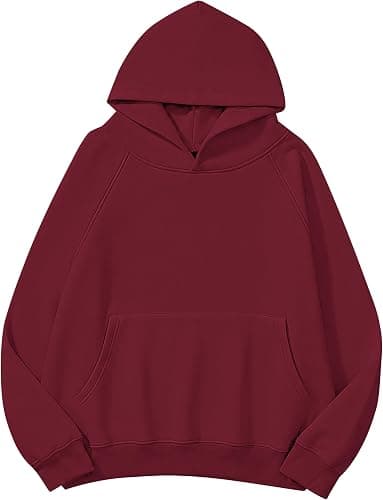
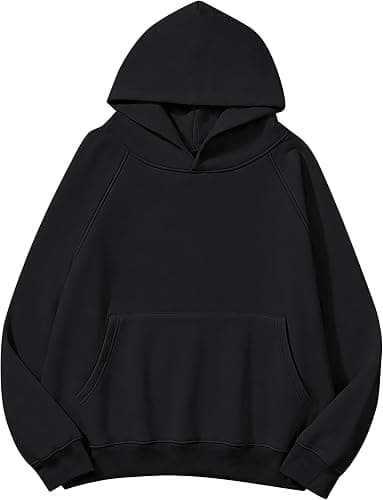
A hood is a meaningful amount of extra fabric, plus a lining on double-layer styles, plus cords and eyelets where there is a drawcord. That cost lands on every unit whether the buyer ever pulls the hood up or not. On a run at the 50-piece minimum the gap between a hoodie and the same weight of crew neck is not trivial, and it comes out of your margin or goes onto your price.
The hood also does nothing for decoration. It sits behind the shoulders, covers a chunk of the upper back, and on a pullover it competes with a chest print for attention.
Weight Decides Perceived Value More Than Style
A 350 GSM hoodie feels like a product. A 280 GSM one feels like something handed out free at a conference. Buyers work this out in about two seconds of handling, long before they look at the print. If the budget forces a choice between a heavyweight sweatshirt and a lightweight hoodie at the same price, take the sweatshirt. A substantial crew neck reads as a considered garment; a thin hoodie reads as a cheap one.
This is the most common merch mistake there is. People chase the silhouette, sacrifice the fabric, then wonder why the drop feels flat in the hand.
Print Area: The Crew Neck's Real Advantage
A crew neck gives you a flat, uninterrupted front and back. No hood bunching the shoulders, no pocket cutting across the lower chest, no drawcords for a press to work around. Large front graphics, full back prints and centred designs all behave better on a sweatshirt. A pullover hoodie with a kangaroo pocket effectively caps how far down a front design can run before it hits the seam.
If the artwork is the point, and especially if it is a big single-colour screen print, the crew neck gives it more room to breathe.
Who Buys Which
Audience matters more than merch planning usually admits. Student unions, bands, skate and streetwear labels and youth sport sell hoodies at a rate crew necks will not match. Professional bodies, conferences, alumni groups and anything worn near an office lean towards sweatshirts, which read as tidier. Charities and community groups tend to split, because the hoodie sells to supporters while the crew neck sells to volunteers who wear it while working.
Zip, Pullover or Crew
There is a third option people skip past. A zip hoodie is easier to put on over other clothes, which makes it the practical pick for outdoor events and layering. But a zip splits the front, so a chest graphic has to be redrawn to work either side of it or moved to the back. A pullover keeps the front intact. That is the whole trade: convenience against a clean canvas.
- Retail-style drop where the garment itself is the product: pullover hoodie at 350 GSM or heavier.
- Large front or full-back graphic as the main event: crew neck sweatshirt.
- Tight budget, need volume, still want it to feel decent: heavyweight sweatshirt over a light hoodie.
- Outdoor events, marshals, anyone layering over other kit: zip hoodie with the design on the back.
- Mixed audience you cannot predict: run both, mixed within one order to reach the minimum.
Sizing and the Leftover Problem
Unsold merch is the real cost of getting this wrong, and hoodies hurt more because each unsold unit cost more. Sweatshirts also have a slightly more forgiving size curve, since people buy them near their actual size while hoodies get bought a size up for the oversized look. If you are guessing, skew hoodie sizing larger and keep the crew neck spread conventional. Because the 50-piece minimum applies per order rather than per size, you can spread a first run thinly across sizes and learn what your audience buys before committing to depth.
Running Both Without Doubling the Risk
The efficient version of this decision is not choosing at all. Use the same artwork on both, order them in one run so the whole quantity counts towards bulk pricing, and let the split tell you what to do next time. Screen printing rewards this, because setup is per colour rather than per garment type, so adding a second garment to the same design costs less than running a second job later. Preview both in the Design Studio first, since a graphic sized for a hoodie chest usually needs enlarging for a crew neck.
“"Nobody ever complained that a sweatshirt felt too heavy. Plenty of people quietly bin a thin hoodie."”