Heavyweight T-Shirts: Why Brands Keep Going Thicker
By The Velocity Wear Team
Heavyweight t-shirts get close to ten thousand US searches a month. The thin, stretchy tee that dominated the 2010s has lost ground to thicker, more structured shirts. For brands, a heavyweight tee is often the easiest way to make a design feel premium.
What counts as heavyweight
Standard tees run around 4.5 to 5.5 oz per square yard. Heavyweight usually means 6.5 oz and up, about 220 GSM or more. Our tees go up to 240 GSM, roughly 7 oz, in combed ring-spun cotton.
Why brands choose heavyweight
- Structure. It holds a boxy shape instead of clinging.
- Opacity. It doesn't go see-through.
- Durability. It survives more washes without twisting or thinning.
- Print quality. Thick fabric gives a steady base for big prints.
- Perceived value. Customers feel it immediately.
The trade-offs
Heavier tees are warmer, which matters in Texas, Florida and Arizona summers. They cost more to make and weigh more to ship. And some customers genuinely prefer a lighter, drapier tee. If your audience is in hot climates, consider offering a midweight option alongside.
Pair weight with a good cut
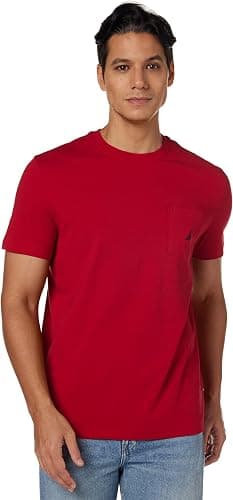
Heavyweight tees look best in a relaxed or boxy fit with slightly dropped shoulders and a thicker rib collar. A slim fit in thick cotton can feel stiff. See our boxy t-shirt guide for silhouettes that sell.
Details that finish it
- A thick, tight rib collar that stays flat.
- Taped shoulder seams.
- A custom printed or woven neck label.
- Pre-shrunk fabric so sizing stays true.
- Twin-needle hems that don't wave.
Price it right
A heavyweight tee with a good print and label can sell well above basic tees. Calculate landed cost including labels, packaging and shipping, then compare with independent brands selling similar weights. Don't underprice a premium product.
How heavyweight changes print choices
Thick cotton is a great base for screen printing, puff print and large DTF designs, because the fabric doesn't pucker or show through. Water-based inks look especially good on heavyweight tees, sinking into the fabric for a soft feel. Embroidery also works well on heavier tees, where lighter shirts might pull around the stitching.
Shipping and packaging
A heavyweight tee weighs noticeably more than a standard tee, which can push multi-item orders into a higher shipping tier. Check your carrier's weight breaks and use lighter mailer packaging for single tees. Keep the premium feel with a neatly folded shirt and a simple branded sticker or insert.
Colors
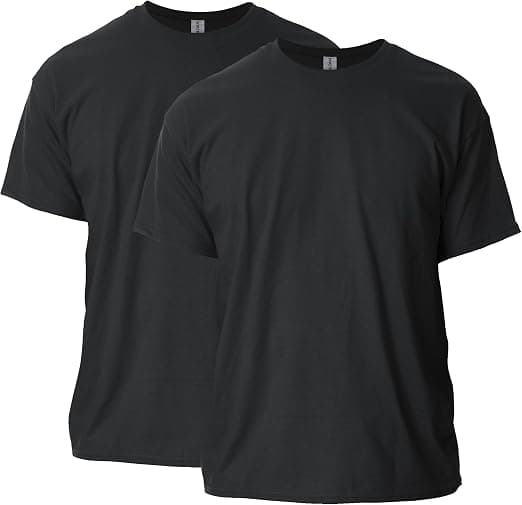
Black, bone, heather gray and navy are the core. Earthy tones like olive, brown and sand look rich on heavy cotton. Save bright colors for limited drops once your core line sells.
Heavyweight tees as uniforms
Coffee shops, breweries and creative studios use heavyweight tees as staff uniforms because they look better through a long shift and many washes.
Customer reviews
Real customer reviews often mention weight and quality. Encourage genuine reviews after purchase.
Colors for heavyweight tees
Black, white, bone, heather gray and navy form a strong core. Earthy tones like olive, brown and sand look rich on thick cotton for limited drops.
Spec and sample
When you order, specify weight, cotton type, fit and color. Get a sample, wash it five times, and compare it with a tee you admire. Our minimum is 20 per design with sizes mixed, and production takes 10 to 15 working days from artwork approval. Browse custom t-shirts.