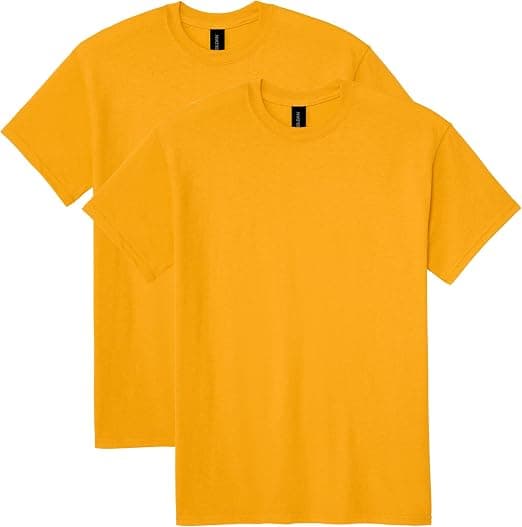
Gym and Fitness Apparel: Kitting Out Staff and Selling Merch
By The Velocity Wear Team
Need this made?Get pricing for this product— free, no obligation, 50 pieces minimum.
Gyms typically need two different things from one supplier: durable branded staff kit, and merch members will actually pay for. Velocity Wear produces both from a 50-piece minimum with mixed sizes, using embroidery for staff polos and softshells and screen printing or DTF for retail tees and hoodies. Bulk discounts reach up to around 35% as quantities rise.
Staff Kit and Retail Merch Are Different Products
This is the mistake most gyms make. Staff kit is bought for durability and consistency — it gets worn five days a week and washed constantly, so embroidery on a solid polo or softshell is the sensible specification. Retail merch is bought for desirability — a member is choosing to spend their own money, which means the blank has to feel good and the design has to be something they would wear outside the gym. Using one garment for both jobs usually means it does neither well.
What Members Actually Buy
Gym merch that sells tends to follow a few patterns.
- Heavyweight hoodies outsell light ones consistently. A 350 GSM or heavier hoodie feels like a product; a thin one feels like a giveaway.
- Restrained branding travels further. A small chest logo gets worn to the shops; a full-back advert mostly gets worn to the gym.
- Oversized and relaxed fits have dominated fitness merch for several years and generally outsell slim cuts.
- Neutral colourways — black, grey, sand, off-white — sell more reliably than bright brand colours, even when the brand palette is bold.
Fabric for Training Wear
If you are producing actual training garments rather than casual merch, fabric choice changes. Polyester and technical blends wick moisture and dry faster than cotton, which matters for anything worn during sessions. Sublimation works well on polyester for all-over designs and leaves no printed layer sitting on the surface. Cotton and cotton-rich blends are better for hoodies and casual tees worn before and after training rather than during.
Starting Small and Scaling
The 50-piece minimum with mixed sizes lets a gym test a design across a full size range before committing. A sensible pattern is a first run of 50–30 pieces to see what members respond to, then a consolidated reorder at a quantity that brings the per-piece cost down. DTF suits that first run because there are no screen setup charges on detailed artwork; screen printing takes over economically once volume climbs.
“"Members do not buy gym merch to advertise the gym. They buy it because it is a good hoodie that happens to be from somewhere they belong."”
Lead Times and Planning
Production starts on artwork approval — roughly 10–15 working days for screen printing and embroidery, nearer 15–20 for sublimation and complex jobs, plus 2–5 working days tracked UK delivery. January is the obvious peak for fitness, which means ordering new-year stock in November rather than December. Class launches, competitions and anniversary events all deserve the same backwards planning.
Getting the Design Right
Supply vector artwork, confirm exact colours rather than describing them, and preview placement at actual size in the free Design Studio before ordering. Logo scale is where gym merch most often goes wrong — a design that looks balanced on screen is frequently too large once it is 30cm across a chest. Check pricing across garment and method combinations in the instant price calculator before you commit.