Custom Workwear Trousers: Why Plain Is Usually the Right Answer
By The Velocity Wear Team
Need this made?Get pricing for this product— free, no obligation, 50 pieces minimum.
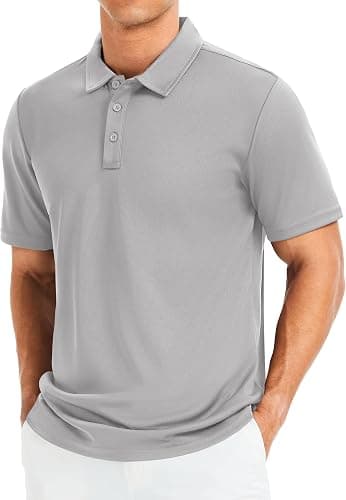
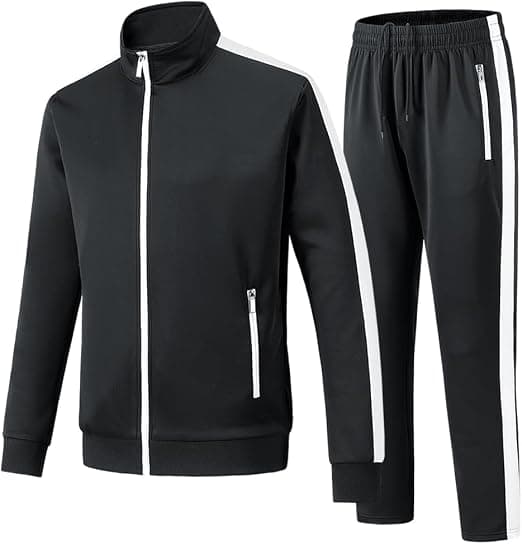
Workwear trousers are usually left plain, and that is the correct answer rather than a cop-out. The fabric is heavy, the leg is a closed tube covered in pockets and seams, and trousers take the harshest abrasion and the hottest wash of anything in a kit. Branding either cannot be applied cleanly or does not survive. Put the logo on the top half. Velocity Wear supplies workwear trousers alongside branded tops from a 50-piece minimum across a mixed order.
Leave Them Plain: The Honest Version
Nobody identifies a worker by their trousers. Recognition comes from the polo, the hi-vis, the softshell or the hoodie, all of which are at eye level and all of which take decoration properly. Spending setup costs on a trouser logo that sits below the knee, behind a toolbelt or under a jacket buys you very little.
There is a commercial argument too. Plain trousers can be replaced from stock at any point in the year without reordering a decorated run, which matters because trousers wear out faster than tops. Keeping them undecorated makes your kit cheaper to maintain.
Why Trousers Physically Resist Decoration
Start with the shape. A trouser leg is a tube, so it cannot be laid flat on a print platen or clamped in a standard embroidery hoop without either the seam getting in the way or the other layer of fabric being caught. Cylindrical hooping equipment exists, but it limits both the position and the size of what can be applied.
Then the surface. Cargo pockets, knee pad pockets, ruler pockets, triple stitching and reinforcement panels leave very few flat areas of any size. Then the wear. Trousers get dragged across scaffolding, kneeled on and washed hot, and a printed layer under that treatment cracks, lifts and looks worse than no logo at all.
The Few Placements That Do Hold Up
If branding on trousers is genuinely required, three placements are realistic. A small embroidered logo on a thigh pocket flap, which is flat, accessible and away from the worst abrasion. A woven label sewn into a side seam or the back waistband. Or a small mark on the rear waistband itself, which sits above the toolbelt line and is protected by the belt.
All three should be small. A large logo down a trouser leg looks like sponsorship and wears through fastest. Anything on the knee, the seat or the lower leg will be destroyed, so treat those areas as unavailable regardless of what a mock-up looks like.
- Accept plain trousers as the default and put the branding budget into the tops.
- Restrict any trouser decoration to a thigh pocket flap, a seam label or the rear waistband.
- Treat the knee, seat and lower leg as off limits, because abrasion destroys anything applied there.
- Order leg lengths as a deliberate decision, not an afterthought on the size sheet.
- Keep trousers undecorated so worn-out pairs can be replaced from stock mid-year.
“"The best branded work trouser on the market is a plain one that still fits after fifty washes."”
Fabric, Reinforcement and Where Trousers Fail
Most trade trousers sit around 240 to 260 GSM poly-cotton, which balances durability with breathability. Lighter fabrics tear at the pocket corners. Heavier canvas lasts longer but is uncomfortable in summer and slow to dry. Stretch panels at the knee and seat have become common and genuinely improve comfort for anyone crouching all day.
Failure points are predictable: the crotch seam, the pocket corners, the hem, and the knee. Reinforcement fabric at the knee and hem is worth paying for. Reinforcement everywhere is not, because it adds weight and stiffness for little gain.
Leg Length Is the Sizing Decision That Matters
Waist size is easy to collect and everyone knows theirs. Leg length is the one people guess, and it is the difference between trousers that work and trousers that get the hems shredded on site. Offer short, regular and tall options and ask explicitly rather than assuming regular. If a style only comes in one leg length, that is worth knowing before you order forty pairs.
Knee Pad Pockets and the Details People Skip
If the job involves kneeling, knee pad pockets are not optional, and the pads are usually sold separately. Check whether the pockets load from the top or the bottom, because bottom-loading pockets shed pads when the wearer stands. Also look at whether the pockets are adjustable in height, since a fixed pocket that sits wrong is worse than none at all.
Building a Kit Where the Top Half Carries the Brand
The efficient structure is embroidered polos and hoodies, printed hi-vis where required, and plain trousers. That gives you visible branding at eye level, durable decoration on garments that can take it, and a replaceable bottom half. Since the minimum is 50 pieces per order with sizes and styles mixed freely, you can build the whole kit in a single order with bulk discounts of up to around 35% as quantities rise.