Custom T-Shirts for UK Small Businesses: A Practical Guide
By The Velocity Wear Team
Cafés, gyms, dog groomers, removals firms, market traders, barbers, event companies. Almost every small business eventually wants custom t-shirts. And almost every small business orders them for one reason, then discovers they're useful for three. Here's how to plan for all of them.
What's the shirt for?
- Staff uniform: needs to be comfortable all day, look tidy and survive a lot of washes.
- Event or promotion: needs to be eye-catching and affordable in volume.
- Merch to sell: needs to look like something people would buy anyway.
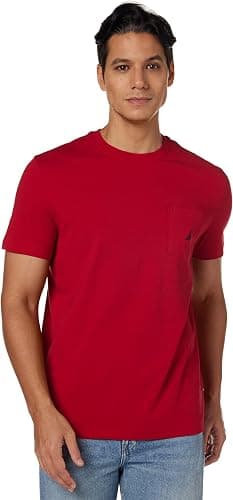
These pull in different directions. A uniform tee wants a smart left-chest logo. A promotional tee wants your name big. A merch tee wants a design that barely mentions you at all.
Pick the right shirt
For staff working on their feet, a midweight combed cotton tee around 180 to 200 GSM is comfortable and holds up. For hot kitchens, go lighter. For merch that needs to feel premium, a heavier 220 to 240 GSM tee with a relaxed fit sells better.
Logo placement
- Left chest: professional, subtle, the standard for uniforms.
- Centre chest: bolder, good for events.
- Upper back: your name, website or phone number. Ideal for trades and deliveries.
- Sleeve: a small extra detail that makes a design feel considered.
Colours
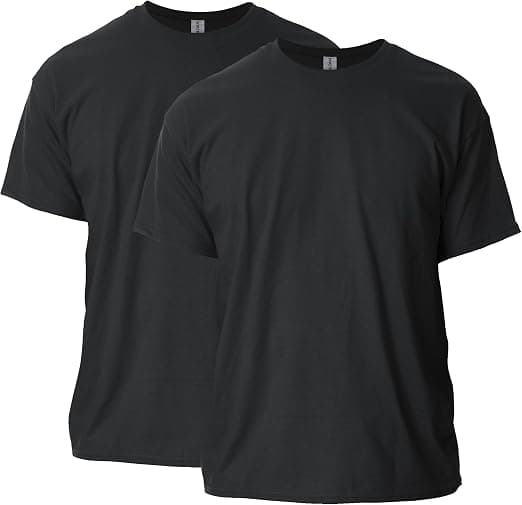
Black and navy are practical and hide marks. White looks clean but needs replacing sooner. If your brand colour is bright, try it on the logo rather than the whole shirt. For food businesses, remember aprons and tees get stained; darker colours buy you time.
How many to order
Our minimum is 20 per design, with sizes mixed. For a team of six, that's three shirts each plus a couple of spares for new starters. If you also want to sell a merch version, that's a separate design, but the second 20 often makes sense.
Get more value from the shirts
Staff in matching branded tees look established in photos, which helps your Google Business Profile, website and social posts. A shirt on a rail by the till quietly sells to loyal customers. And a few shirts donated to a local team or charity event get your name in front of the right people.
Tax
Branded uniforms can be treated differently for tax than general clothing. Check with your accountant how your business should handle them.
Keep a spec so reorders match
Small businesses reorder in dribs and drabs as staff come and go. Write down the shirt style, weight, colour, logo size in centimetres, position and ink colours the first time. Keep the artwork file somewhere you'll find it in a year. That way a reorder looks like the same uniform rather than a close cousin, and you don't pay for artwork to be redone.
Seasonal merch
A summer design for a seaside shop or a Christmas tee for a café gives regulars a reason to buy again. Keep quantities modest and leave the year off if you might sell leftovers next season.
Choosing a size split
Ask staff their sizes privately rather than guessing.
Getting a quote
Tees start from $13 each at 20 with one standard print. Use the calculator for totals in pounds, and the design studio to see your logo on a shirt. Production is 10 to 15 working days after approval. Browse custom t-shirts, or look at polo shirts if you need something smarter.