Custom Lab Coats: Specification, Laundering and Branding
By The Velocity Wear Team
Need this made?Get pricing for this product— free, no obligation, 50 pieces minimum.
Lab coats are embroidered almost without exception, and the reason is laundering. Technical and laboratory garments go through hot industrial wash cycles, sometimes with decontamination steps, and adhesives do not survive that. Beyond the decoration method, the specification decisions that actually matter are the fabric blend, whether the front closes with studs or buttons, and how you keep white consistent across repeat orders.
Poly-Cotton, Cotton and Why the Blend Is a Real Decision
A 65/35 poly-cotton is the workhorse. It holds its shape through hot washing, dries quickly, resists creasing and costs least. For general laboratory, dispensary, warehouse and education use it is the right default and nobody needs to overthink it.
100% cotton comes back into the picture where heat, flame or static are a concern, because synthetic fibre melts and can hold a charge. Some environments go further and specify low-lint or antistatic fabrics for cleanroom use. If your setting has a fabric requirement written into a procedure, that requirement outranks anything a supplier recommends, and it is worth checking before comparing prices.
Studs Versus Buttons Is a Safety Spec, Not a Style One
Press studs let a coat be pulled straight off in one movement if something is spilled on it. That is precisely why a lot of laboratories specify them, and it is the detail buyers most often get wrong by ordering the neater-looking button front out of habit. Buttons are tidier and cheaper. Studs are faster to remove.
Two other construction details are worth naming. Knitted cuffs keep sleeves out of the work and stop them dragging through anything on the bench. A back vent stops the coat riding up and pulling across the shoulders when the wearer sits at a stool for hours, which sounds trivial until you have worn one without it.
Placement, Names and Roles
Put the logo high on the left chest, above the pocket. Lab coats are frequently worn open, and a logo sitting low near the pocket disappears into the folds of the front panel. High and outboard stays readable.
Personalisation is straightforward and more common here than in most categories, because a lab coat tends to belong to a person rather than a shift. A second line under the logo carrying a name, and sometimes a role or department, is standard. Worth being clear about how that interacts with minimum orders: the minimum is 50 pieces per order, not 20 per name, so a department can order twenty coats with twenty different names in one run. Embroidered names are the durable option; vinyl names are cheaper and appropriate where coats turn over quickly.
White Consistency Across Reorders
This is the practical problem nobody warns new buyers about. White fabric is made with optical brighteners, and those differ between mills and between production lots. Coats bought in September and coats bought the following March will very likely not be quite the same white, and once they hang on the same rail it is obvious.
In a setting with rolling intake, a university department or a growing team, the fix is planning rather than chemistry. Buy a year's requirement in one run where budget allows, keep one unissued coat as a reference garment for comparison, and accept that a top-up order in six months is a top-up, not a match.
Related Garments With Different Rules
The lab coat sits in a small family of technical garments that are often bought together.
- Warehouse and food coats: stud front, poly-cotton, often colour-coded by zone or hygiene area rather than by department.
- Scrubs: no closures at all, hip pockets, poly-cotton, and they shrink noticeably on the first hot wash, so size accordingly.
- Long warehouse coats: cut longer for cover over normal clothing, which means the chest logo sits higher relative to the hem than on a standard coat.
- Antistatic and cleanroom coats: specified by the environment, not by preference, and decoration options are restricted.
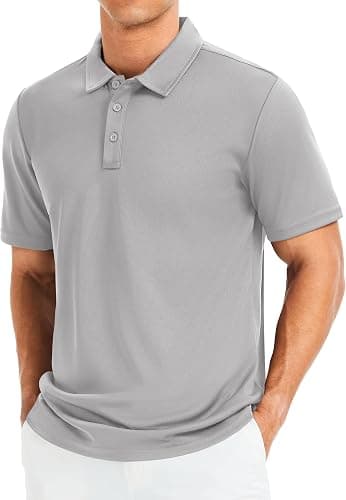
- Technical polo shirts and softshells: often ordered alongside for staff who move between lab and office, and they will not colour-match the coats, so do not try.
Where Decoration Meets Certification
Some technical garments are sold against a standard: antistatic, flame-resistant, cleanroom-compatible. Standard embroidery threads and transfer films are not rated to those standards, and adding them can affect whether the garment still conforms. That is a question for the manufacturer's own decoration guidance and the current official standard, not for a rule of thumb. If a garment was specified because it meets something, check before you decorate it.
“"A lab coat is a piece of equipment that happens to have a logo on it. Spec it in that order."”
Buying for a Department
Velocity Wear is an online supplier, so briefing, proofing and ordering all happen online and the finished coats are delivered on a tracked service to the UK, USA, Europe or worldwide. Minimum order is 50 pieces with sizes mixed freely within the run, and bulk discounts reach up to around 35% as quantities rise, which is why consolidating a department's annual requirement into one order is worth the planning effort. The free Design Studio previews logo and name placement on the garment, and the instant price calculator gives live pricing as you change quantity. Embroidery typically takes around 10-15 working days from artwork approval, with UK delivery usually 2-5 working days after dispatch. Production starts when artwork is approved.