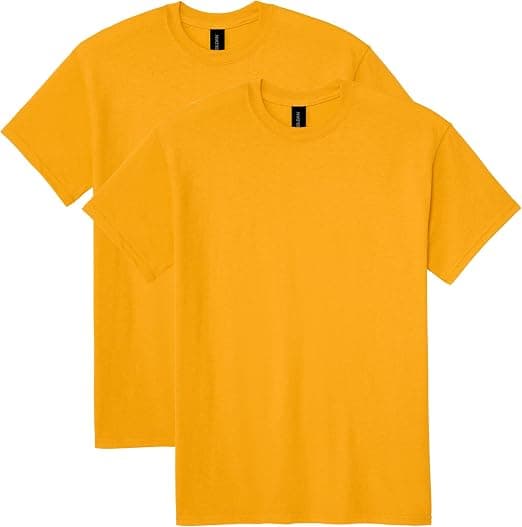
Custom Clothing Printing in Wrexham: Industry and Identity
By The Velocity Wear Team
Need this made?Get pricing for this product— free, no obligation, 50 pieces minimum.
Custom clothing printing in Wrexham is dominated by workwear, and embroidery handles most of it: polos, sweatshirts, softshells and fleeces for the manufacturing, food production and logistics employers on and around the industrial estate. Velocity Wear supplies these online from a 50-piece minimum with sizes mixed across the run, delivered to Wrexham, Deeside and across North East Wales on the same tracked UK service. No shop visit, no site meeting.
An Industrial Estate That Sets the Tone
Wrexham Industrial Estate is one of the biggest in Europe, built on the footprint of a wartime ordnance works, and it shapes the whole town's apparel demand. Food production, pharmaceuticals, automotive components, plastics and heavy engineering all sit within a few miles of each other, and they order in a recognisable way: hard-wearing garments, one or two colours, a consistent left-chest mark, sizes reordered continually as staff change.
That sits alongside a very different set of buyers. Wrexham University brings student, course and open-day orders. The city's football club, playing at a ground with a genuine claim to being the oldest international stadium still in use, drives a supporter and grassroots merchandise culture that filters down to junior clubs across the borderlands. Brewing heritage, hospitality and a city centre that gained city status in 2022 add their own steady flow.
Do Not Decorate Certified Hi-Vis Without Checking
This is the point most workwear buyers in Wrexham need and rarely get told. Hi-vis garments are certified as a whole product. Adding embroidery or a large heat-applied print can reduce the certified reflective and fluorescent area, and stitching through reflective tape damages it outright. The general requirement is that the garment still meets its certification in use, and the specifics depend on the garment and the standard it was tested against.
The practical answer is to check the manufacturer's own guidance for that garment before decorating it, and to follow current official guidance on protective equipment at work rather than taking a printer's word for it. In most cases the cleaner solution is to brand the polo or sweatshirt worn underneath, keep the hi-vis plain, and let the layer that people actually see in the canteen and at the gate carry the identity.
Bilingual Branding Is a Design Constraint, Not a Detail
Welsh and English text on the same garment doubles your word count in a fixed space. That is fine on a printed back panel and genuinely awkward on an embroidered left chest. Stitched lettering below roughly a centimetre tall fills in, so a bilingual strapline that reads perfectly on a letterhead can turn into two illegible bands of thread on a polo.
- Split the languages across placements: one on the chest, one on the sleeve or back, rather than cramming both into one small mark.
- Increase the embroidered text height rather than reducing the letter spacing, which is what usually gets suggested and rarely works.
- Use print rather than embroidery when both languages must appear together in a small area.
- Check accented characters survive the digitising step, since a circumflex can be lost or distorted at small stitch sizes.
- Proof the Welsh text with a fluent speaker before approval, because production starts at artwork approval and reprints are not free.
“"Branding a hi-vis vest is the fastest way to spend money making a garment less safe than the plain one you already owned."”
Ordering Volumes That Suit a Shift Pattern
The minimum is 50 pieces per order with sizes mixed freely, which fits an operation kitting out a single shift or department without forcing 50 of every size. Bulk discounts reach up to around 35% as quantities rise, so an employer ordering annually for the whole site pays noticeably less per garment than one ordering ad hoc every few weeks. Many operations settle on two runs a year plus a small buffer of common sizes held back for new starters.
Lead Times Across the Border Region
Production starts at artwork approval. As qualitative guidance, embroidery and screen printing take around 10-15 working days from approval, with sublimation and complex jobs nearer 15-20. Tracked UK delivery typically adds 2-5 working days after dispatch and reaches Wrexham, Deeside, Chirk and the wider North East Wales and Cheshire border area on the same service as anywhere else.
Getting the Proof Right First Time
Send vector artwork where possible and confirm exact colours before approval, especially if your identity uses a close pair of shades that look identical on a screen and clearly different in thread. The free Design Studio lets you place and preview the design on the garment itself, and the instant price calculator shows how the cost moves as you change method, garment and quantity, which is usually more persuasive to a finance manager than a written quote.