Custom Workwear and Clothing Printing in Redcar
By The Velocity Wear Team
Need this made?Get pricing for this product— free, no obligation, 50 pieces minimum.
Redcar clothing is bought for a coastal industrial climate, and that narrows the options fast. Salt, wind and hard washing are unkind to surface prints, dark garments dominate for practical reasons, and most of the kit lives outdoors under other layers. The result is that embroidery on mid-layers does most of the work, and sublimation, the method people most often ask about, is the wrong tool here almost every time.
A Coastline That Changed Its Industry
The steelworks defined this stretch of coast for generations and its closure left a site and a workforce that have since been redirected towards offshore wind, decommissioning, chemicals and heavy logistics along the Tees. That is not a clean break. The skills, the shift culture and much of the supply chain carried over, which is why so many local firms still buy workwear on an industrial specification even when the work itself is now renewables.
What Salt Air Actually Does to a Garment
Coastal industrial clothing ages differently. Ultraviolet fades dyed cotton faster than people expect, salt and grit work into the fabric, and the wash regime needed to get it clean is harsher and more frequent than an office polo ever sees. Surface prints take the brunt of that. A screen print will crack and lift long before the garment itself is finished, and a heat transfer will do it sooner.
Embroidery is the sensible default for anything you expect to keep for a couple of years. Thread does not crack, it does not lift, and it fades far more slowly than a printed layer sitting on top of the fabric. Keep printing for the tees you regard as consumable, where a two year life was never the plan.
Why Sublimation Rarely Suits Teesside Kit
This comes up constantly, so it is worth stating plainly. Sublimation works on polyester only, and on light coloured bases only, because it dyes the fibre rather than sitting on top of it. Industrial and offshore clothing is overwhelmingly navy, black or high visibility. You cannot sublimate a dark garment. So when somebody asks for an all-over printed workwear range in company navy, the honest answer is that the method cannot do it, and the request usually resolves into embroidery on a dark garment instead. Sublimation earns its place on sports kit, not on site clothing.
Kit for Crews Who Work Outdoors All Year
For teams moving between quayside, vessel and site, the list is built round layers rather than round a single garment.
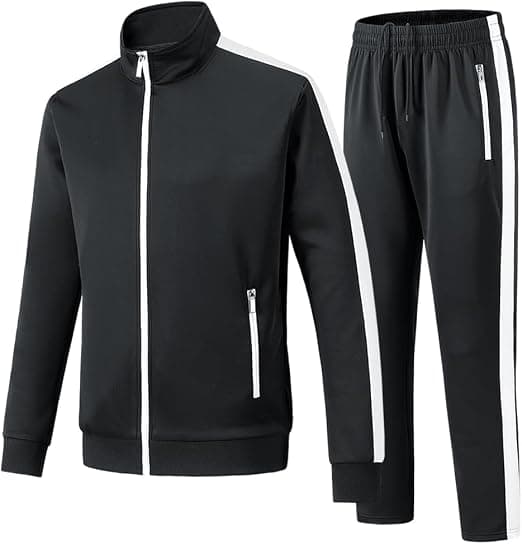
- An embroidered fleece or softshell as the primary branded garment, because it is the layer actually worn from September to May.
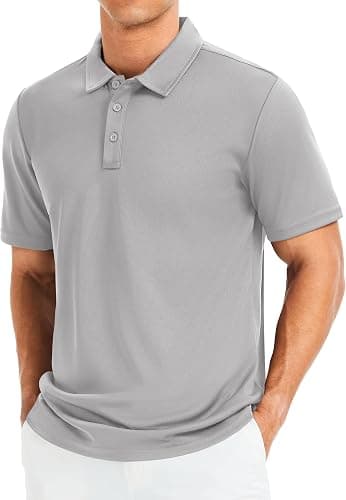
- Poly-cotton polos underneath, ordered against issue quantity rather than headcount so the wash cycle never leaves anyone short.
- Printed cotton tees as the consumable summer layer, replaced rather than repaired.
- Dark colours as the default, both because they stay presentable in marine grime and because most site clothing is navy or black already.
- A generous float of spare sizes, since kit that travels between sites and vessels goes missing at a rate office kit never does.
“"On this coast the sea is a permanent wash cycle. Either specify for it or accept you are buying the same kit twice as often."”
Kit That Travels Does Not Come Back
Anyone running crews across multiple sites knows the pattern. Garments go into a bag, the bag goes to a job, and a proportion of what left never returns. Fighting that with paperwork tends to cost more than it saves. Planning for it works better: order a deliberate surplus in the sizes you actually issue most, keep it centrally, and treat a small annual attrition rate as a cost of doing outdoor work rather than a discipline problem.
The Seafront Has a Different Season
Redcar is also a seaside town, with a long beach, a working esplanade and a racecourse that brings crowds in on fixture days. The businesses along there buy on a completely different rhythm from the industrial estates, ordering staff kit and printed stock ahead of a summer season rather than on an annual industrial cycle. For those short seasonal runs DTF makes sense, since it carries no per colour setup and handles detailed or full colour designs on modest quantities.
Ordering Into TS Postcodes
It is an online service, so briefing, proofing and approval happen by email and goods are delivered on a tracked service. Use the free Design Studio to check how the mark sits on a dark garment, which is where a lot of logos designed on white paper turn out to need a reversed version. The minimum is 50 pieces per order with sizes mixed freely, bulk discounts reach up to around 35% as quantities rise, and production starts at artwork approval, running around 10 to 15 working days for embroidery and screen printing, plus 2 to 5 working days for UK delivery.