Custom Clothing Printing in Kilmarnock: Trades and Teams
By The Velocity Wear Team
Need this made?Get pricing for this product— free, no obligation, 50 pieces minimum.
Custom clothing printing in Kilmarnock is mostly branded workwear: embroidered polos, sweatshirts and softshells for the engineering firms, trades and contractors across East Ayrshire, plus printed tees and hoodies for clubs, schools and events. Velocity Wear supplies these online from a 50-piece minimum with sizes mixed freely, delivered to Kilmarnock and across Ayrshire on the same tracked UK service. No shop, no site visit needed.
An Engineering Town With Long Habits
Kilmarnock made things at scale for well over a century. Locomotives were built here and exported around the world, the town's valve and hydraulic engineering works supplied water infrastructure across continents, and whisky blending and bottling employed thousands. Much of that has gone, but the habits remain: a large base of engineering, fabrication, plant hire, electrical and construction firms who think in specifications and expect their suppliers to do the same.
Around that sits a broader local economy. The HALO regeneration site brought digital and enterprise activity onto former industrial land, Ayrshire College feeds the trades, dairy and agricultural businesses work the surrounding countryside, and the aerospace cluster along the coast at Prestwick draws skilled workers from the town. Football matters here too, and Rugby Park's synthetic surface means the local game barely pauses for weather, which keeps club kit orders steady through winter.
Flame-Resistant Workwear Is Not Normal Workwear
This is the point that matters most for the fabrication and electrical trades. Flame-resistant and arc-rated garments are certified as complete products, and their protective performance depends on the fabric and the thread. Applying a standard heat transfer, a vinyl name or ordinary polyester embroidery thread can introduce a material that melts, which is exactly what such garments are designed to avoid.
The general requirement is that a garment continues to meet the standard it was certified to once decorated. That means checking the garment manufacturer's own guidance on whether and how it can be branded, and following current official guidance on protective equipment at work. Where that is uncertain, the safe route is to brand the non-protective layers instead: the polo, the sweatshirt, the softshell worn off-site. Those are the garments people wear to the merchant and the cafe anyway, which is where the branding does its real work.
Where Branded Kit Actually Earns Its Keep
- Vans and site fences carry your name for the day; a branded sweatshirt carries it into the supermarket every evening.
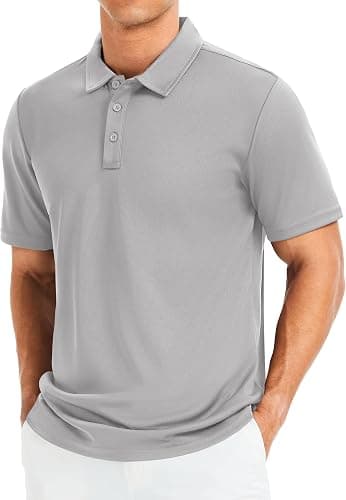
- Embroidered polos on a trade team read as an established firm, which matters when quoting domestic work.
- Printed tees are the cheapest way to kit out a one-off event or open day, and nobody expects them to last years.
- Softshells and gilets get worn more than jackets, so branding on those is seen more often per pound spent.
- Include a phone number or short web address only if it stays legible when embroidered, otherwise leave it off.
“"The best advertising a small firm owns is the sweatshirt one of its joiners wears on a Saturday."”
Keeping the Mark Legible
Trades often want a phone number stitched under the logo, and it is a reasonable instinct. The problem is scale. Embroidered characters below roughly a centimetre tall lose their internal gaps, so a mobile number can turn into a row of blocks. If the contact details matter, put them on the back in print where you have room, keep the embroidered chest mark to the logo and firm name, and choose a font with open counters rather than a condensed one.
Minimums, Discounts and Rotating Stock
Fifty pieces per order with sizes mixed freely fits a contractor with a dozen staff who each need a couple of garments. Bulk discounts reach up to around 35% as quantities climb, so an annual order beats topping up in threes, and it keeps colours consistent across the team because more of the kit comes from the same batch. Holding back a few of the most common sizes gives you something to hand a new starter on day one.
Lead Times and Ayrshire Delivery
Production begins at artwork approval rather than order placement. Embroidery and screen printing take around 10-15 working days from approval as guidance, with sublimation and complex jobs nearer 15-20, plus 2-5 working days on tracked UK delivery to Kilmarnock, Irvine, Ayr and the wider East Ayrshire area. Lay the design out in the free Design Studio, check the numbers in the instant price calculator, and approve promptly to keep the schedule comfortable.