Custom Clothing Printing in High Wycombe: Workshop and Trade Kit
By The Velocity Wear Team
Need this made?Get pricing for this product— free, no obligation, 50 pieces minimum.
Velocity Wear supplies printed and embroidered workwear to High Wycombe businesses online, delivered on a tracked service. In a town whose furniture-making trade shaped the Chiltern beechwoods and whose modern economy runs on light industrial units and workshops, the recurring answer is embroidery on mid-weight cotton or polycotton, with placement chosen around where a tool belt and a bench edge actually sit.
Why Workshop Kit Fails
It rarely fails because the garment wore out. It fails because the logo did. A print sitting on the lower chest gets scuffed by a bench edge a hundred times a day, and a print anywhere gets attacked by the hot wash needed to shift glue, stain and lacquer. Twelve months in, the shirt is fine and the branding is a cracked ghost.
Embroidery is stitched into the fabric rather than sitting on it, so hot washing and abrasion treat it far better. The trade-off is that embroidery needs a garment with some substance behind it. On a lightweight tee it puckers and distorts, which is why the same logo can look excellent on a polo and poor on a cheap tee.
Placement Beats Method More Often Than People Think
Map the contact points before you pick a position. A tool belt or apron strap crosses the lower chest and hip. Leaning into a bench presses the mid-torso. Carrying sheet material against the body abrades the same area repeatedly. A logo placed high on the chest, above pocket level, or on the upper sleeve avoids nearly all of it.
This is the sort of thing you only learn by watching people work, and it costs nothing to get right at the artwork stage. Moving a logo 60mm upwards can double how long the kit looks presentable.
Fabric Choice Around Different Kinds of Work
Furniture and joinery workshops deal with dust, adhesives and finishes. Polycotton handles that reasonably and holds its shape through repeated washing. Where the same industrial estate also houses metal fabrication, welding or any hot work, the calculation changes completely: polyester melts and can adhere to skin, so cotton or a specified flame-resistant garment is the correct route there, and flame-resistant kit should come from a certified specialist rather than a general clothing supplier.
Colour matters too. Sawdust shows on dark garments, oil shows on light ones. Mid-tones such as grey, olive and navy hide the widest range of workshop mess and stay presentable longer between washes.
A Working Specification for a Chiltern Workshop
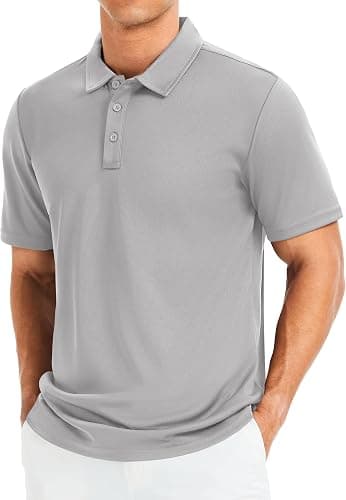
- Mid-weight polycotton polos with embroidery high on the chest, as the everyday layer.
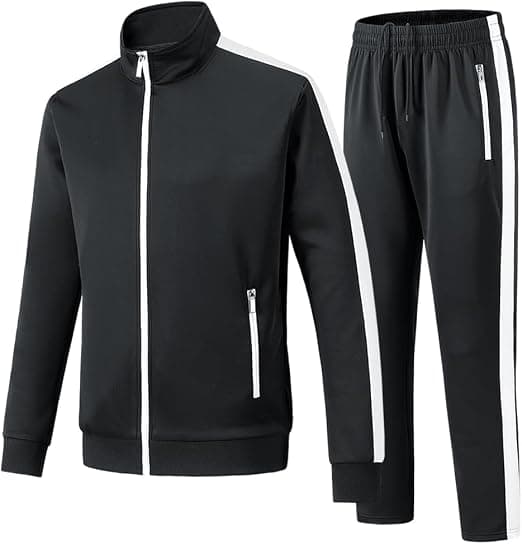
- A branded work jacket or bodywarmer for cold mornings in an unheated unit, embroidered on the chest and optionally across the back for site visits.
- Aprons with cross-back strapping for bench work, chosen on strap and pocket quality before decoration.
- Printed tees for summer, apprentices and anyone whose garments get destroyed fast enough that cheap replacement wins.
- Vinyl first names on polos if you run a customer-facing installation team, applied per garment without setup for each name.
Installers Are Your Advertising
A furniture, kitchen or joinery business does most of its visible branding in customers' houses and on driveways, not on a shopfront. That argues for making the installation team's kit the best thing you buy: clean, branded, in matching colours, with the logo readable from across a street. A neighbour watching a fit-out is a genuine prospect, and mismatched kit undoes a lot of careful work.
It also argues against giving the install team the same garments as the workshop. They need to look presentable at the end of a day, not just at the start of one.
“"Move a logo sixty millimetres up the chest and it outlasts the old placement by a year. Nobody ever budgets for that."”
Ordering, Timing and Costs
Minimum order is 50 pieces per order with sizes mixed freely, which suits a workshop team of a dozen buying two garments each rather than forcing 50 of one size. Embroidery and screen printing run to around 10 to 15 working days from artwork approval, with complex jobs nearer 15 to 20, and UK delivery is typically 2 to 5 working days after dispatch. Production starts at approval, so get artwork signed off rather than assuming the clock starts when you order.
The free Design Studio shows the logo on the garment at true scale, which is the easiest way to settle placement before anything is stitched. The instant price calculator gives live pricing as you change garment, method and quantity, and bulk discounts reach up to around 35% as volumes rise, so a workshop and its install team ordering together usually beats two separate buys.