Custom Clothing Printing in Hereford: Farm and Food Plant Kit
By The Velocity Wear Team
Need this made?Get pricing for this product— free, no obligation, 50 pieces minimum.
Velocity Wear supplies printed and embroidered clothing to Hereford businesses online, with tracked delivery instead of a shop counter. In a county whose working economy runs on livestock, orchards, poultry and food processing, the decision that matters most is how the garment gets washed. Hot, frequent laundering pushes you towards embroidery for anything permanent and cheap printed tees for anything seasonal. Minimum order is 50 pieces per order with sizes mixed freely.
Two Working Herefordshires, Two Specifications
The county has a farm-gate side and a factory side, and they want almost opposite things. Out on the land people need layers, waterproofing and garments that shrug off mud, silage and thorns. Inside a packing hall or a processing plant the priorities invert: simple garments, nothing that can drop off into product, and a finish that survives industrial laundry.
Most local businesses touch both. A cider maker has an orchard team and a bottling line. A poultry or beef operation has stockmen and a chilled processing area. Trying to buy one garment that serves both is where the money goes wrong. Two short specifications that share a logo file will cost less over three years than one compromise that suits nobody.
What a Food Hall Does to a Logo
Food production areas tend to ban external chest pockets, loose buttons and anything that can detach above the waist. That is a hygiene rule about foreign bodies, and it rules out a surprising amount of standard branded stock before you have even chosen a colour. Check the site's own rules and the relevant current official guidance rather than assuming a supplier catalogue is compliant.
Decoration matters just as much. A thick plastisol screen print or a heavy DTF transfer sitting on the chest of a coat that gets washed at 60 degrees, week in and week out, will crack and eventually start lifting at the edges. A lifting print is a contamination risk, not just an ugly one. Embroidery has no surface layer to peel, which is why almost every serious food site ends up stitched rather than printed.
Harvest Runs to a Calendar You Cannot Argue With
Orchard and pressing work concentrates hard into autumn, and the labour arrives in a block. That is the single most useful planning fact for a Hereford cider or fruit business: you know roughly when you will need forty extra tees, and you know it months in advance.
Production starts at artwork approval, not at order placement. Screen printing and embroidery run to around 10 to 15 working days from that approval point, plus 2 to 5 working days for UK delivery after dispatch, plus however long proofing takes. Order harvest kit in high summer and it is sitting on the shelf before the first load comes in. Order it in September and you will be handing out shirts to people who started three weeks ago.
Which Decoration Method Suits Which Job
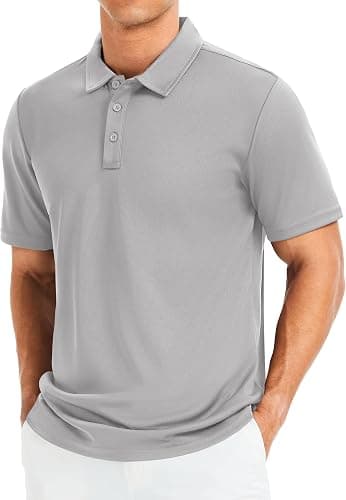
- Embroidery for polos, fleeces, gilets and coats worn all year by permanent staff. It handles hot washing and reads as proper uniform rather than promotional stock.
- Screen printing for large seasonal tee runs in one or two colours. Setup is charged per colour, so keeping a harvest tee to two inks is where the saving lives.
- DTF for full-colour artwork, photographic labels or short top-up runs, and for printing onto polyester base layers that DTG cannot touch.
- Vinyl for names and roles applied per garment, which lets you personalise a handful of supervisor tops without paying setup on each one.
- DTG only where you want a very soft print on cotton for a farm shop or cellar door retail tee, rather than for anything facing a hot wash cycle.
Mud Wins, So Choose Colours That Do Not Fight It
Pale garments on a livestock unit are a false economy. They look worn out in a fortnight and staff stop wearing them, which means you buy again. Olive, navy, charcoal and forest hide the reality of the job while still carrying a legible logo. If you want the brand colour to appear, put it in the thread rather than the garment.
The exception is the food side, where light colours are often specified deliberately so that contamination is visible. That is a rule worth following even though it means shorter garment life, and it is another reason those two specifications should stay separate.
“"In a packing hall the uniform has two jobs, and looking smart is the second one."”
Market Days, Shows and the Retail Side
Plenty of Herefordshire producers sell direct, whether that is at the livestock market, a farm shop, a county show stand or a cellar door. Retail garments are a different purchase again: people are choosing to buy them, so fit and hand feel outrank durability. A softer ring-spun tee with a simple two-colour print will outsell a heavyweight workwear polo with a big logo every time.
Keep the year off anything you sell. Undated stock carries forward to the next season, and there is always leftover stock.
Minimums, Proofs and What Bulk Saves
The 50-piece minimum applies to the whole order, not to each size, so you can build a realistic curve with a couple of smalls, a stack of larges and a few 2XLs. The free Design Studio shows artwork laid onto the actual garment before anything is made, which catches logos that looked right on screen and arrive far too small. The instant price calculator updates live as you change garment, method and quantity, and bulk discounts reach up to around 35% as volumes rise. Delivery is tracked across the UK, and to the USA, Europe and worldwide if you ship product with branded extras.