Custom Clothing Printing in Grimsby and North East Lincolnshire
By The Velocity Wear Team
Need this made?Get pricing for this product— free, no obligation, 50 pieces minimum.
For custom clothing printing in Grimsby, seafood processing and offshore wind set the requirement, and both want embroidered, hard-wearing kit rather than merchandise. Velocity Wear supplies from a 50-piece minimum with mixed sizes, delivered across Grimsby, Cleethorpes and North East Lincolnshire on a tracked service.
Two Industries, One Kind of Weather
Grimsby's docks made it the largest fishing port in the world once, and while the fleet went, the processing stayed. North East Lincolnshire still holds one of the densest concentrations of seafood processing and cold storage in Europe, alongside the fish market and the smokehouses whose traditionally smoked fish carries protected status. Over the same water, the port has become an operations and maintenance base for North Sea offshore wind, with crew transfer vessels running out of the estuary daily. Neither sector buys merchandise. Both need clothing that survives cold, wet and relentless laundering.
Kit for a Chilled Environment
Working at four degrees for a full shift is a different specification from working outdoors in winter, and it gets under-specified constantly. In a chill room there is no sun, no warmth from moving about outside, and no let-up at any point in the shift. Thermal base layers do more work than a heavier top layer, gloves and headwear matter more than branding, and everything has to layer without restricting the shoulder. A mid-weight fleece under a company-issue coat generally beats one very thick jacket.
Decoration Rules in Food Processing
Food environments carry clothing rules that catch out anyone specifying from a catalogue.
- Anything that can detach may become a foreign body, which rules out applied vinyl and makes flaking print a real problem rather than a cosmetic one.
- Embroidery is generally preferred, with threads trimmed and backing finished so nothing works loose.
- External pockets above the waist and loose fastenings are restricted on many sites.
- Centralised industrial laundering at high temperature destroys printed logos within months while leaving stitch intact.
- Check the individual site's clothing policy before approving anything, because it will be stricter than the general position.
Crew Transfer and the Wind Sector
Offshore work adds salt, spray and a great deal of layering underneath mandatory survival gear and PPE. Branded kit for those teams is mostly mid-layer: embroidered softshells, heavier fleeces and quarter-zips worn beneath the technical outer garments rather than instead of them. Size for layering. A softshell that fits over a shirt will not fit over a base layer and a fleece, and the one that does not fit is the one that stays in the locker.
“"Kit bought for a mild day gets replaced. Kit bought for the worst day gets worn for years."”
Cleethorpes, the Mariners and the Summer Trade
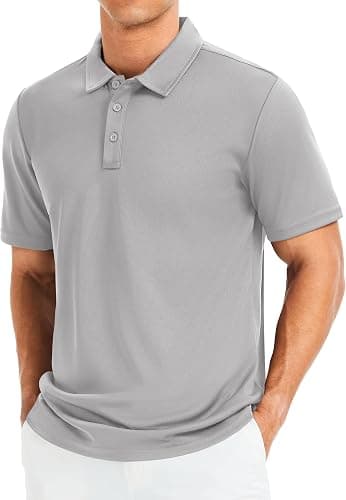
The seaside end of the borough works to a completely different rhythm. Cleethorpes fills in summer, and its hospitality operators need staff kit ready before the season rather than during it: embroidered polos and aprons, with spares built in because seasonal turnover is high and sizes cannot be collected in advance. Blundell Park, which despite the name sits in Cleethorpes rather than Grimsby, anchors a supporter culture that keeps grassroots and community clubs ordering printed training and supporter kit through the season.
Ordering Around Shift Patterns
Processing sites run multiple shifts and often several locations under one operator, and the temptation is for each to order its own kit. Resist it. Bulk discounts reach up to around 35% as quantities rise, and the 50-piece minimum applies per order rather than per product or per site, so one consolidated run across shifts and locations lands considerably better than four separate ones. Record garment code, colour, thread references, logo dimensions and placement in writing so every subsequent order reproduces the uniform instead of approximating it.
Artwork and Delivery to the Humber
Production starts at artwork approval. Embroidery and screen printing typically run around 10–15 working days from there, with 2–5 working days tracked delivery to the Humber afterwards. Send vector artwork, confirm exact colours, and simplify any fine detail and small text for stitch before approving anything, since long trading names rarely survive at chest size without reworking. Preview scale and placement in the free Design Studio, and compare garment types in the free instant price calculator while you are still deciding what to buy.