Custom Workwear and Clothing Printing in Crewe
By The Velocity Wear Team
Need this made?Get pricing for this product— free, no obligation, 50 pieces minimum.
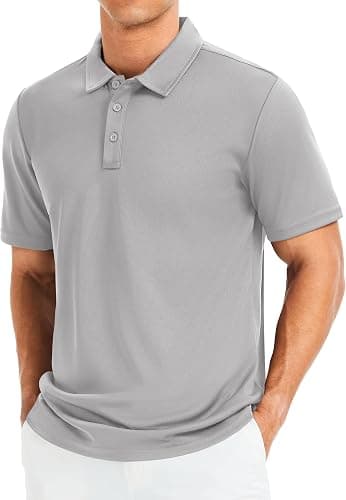
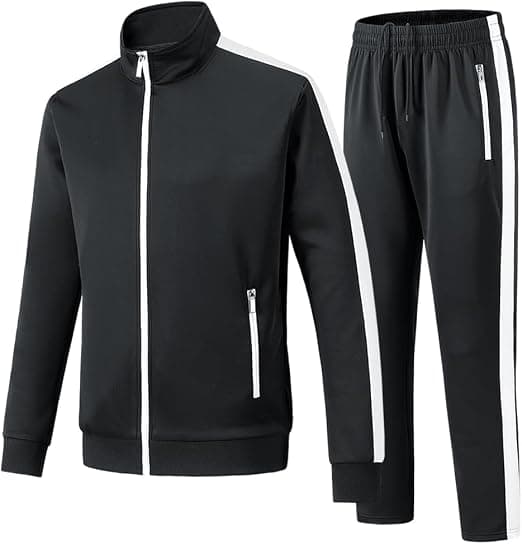
Custom workwear in Crewe is shaped by shift work: rail engineering, automotive manufacturing and a large distribution and logistics base, all running patterns that a nine to five uniform plan does not survive. Embroidered poly-cotton polos and mid-layers are the backbone, with printed tees as a consumable layer. Velocity Wear supplies it online from a 50-piece minimum with tracked delivery into CW postcodes and across south Cheshire.
Headcount Is the Wrong Number to Order Against
Crewe grew as a railway town because the works and the junction needed people on site around the clock, and that pattern still defines how the place works. Rail engineering, vehicle manufacturing and the distribution parks on the edge of town all run shifts. Here is the practical consequence for workwear. If a site has 120 staff and you order 120 polos, roughly a third of your workforce will be in an unwashed garment at any given moment, and within two months people will be wearing their own clothes because theirs is in the machine. Order against issue quantity instead: normally three garments per person for dirty work, two for clean roles, plus a float of spare sizes for new starters.
Precision Work Has Its Own Rules
Crewe's automotive manufacturing tradition means a meaningful number of people here work in close contact with finished surfaces, and that changes the garment specification in ways general workwear advice never mentions. Exposed metal zips, rivets and hard buttons scratch paintwork and trim. So do stiff embroidered badges placed on a forearm or hip. For roles working against a vehicle body or a finished panel, specify garments with covered fasteners, keep decoration to the chest and back, and avoid anything with hardware at the waist. Ask the shop floor before you order: they will already know which garment snagged something last year.
Distribution Sheds and Cold Mornings
The logistics side of town has the opposite problem. Large sheds with open doors are genuinely cold from October onwards, and people layer up whether or not you provided the layers. If you do not supply a branded mid-layer, your carefully specified polo spends half the year invisible under somebody's own hoodie. Buying a branded fleece or sweatshirt is not a luxury item in that setting, it is the garment that actually gets seen.
Building the Issue List
A workable kit list for a shift-based Crewe site usually looks like this.
- Embroidered poly-cotton polo, three per person for dirty roles: the everyday garment, and the one that decides how the operation looks.
- Branded sweatshirt or fleece, one to two per person: the layer that is visible for half the year, so it needs the mark as much as the polo does.
- Printed cotton tees as consumables: cheap, comfortable in summer heat, and replaced without argument.
- A float of spare sizes held back: new starters arrive between orders, and a small buffer avoids paying setup twice.
One Mark Across Many Job Roles
Larger Crewe employers often have several divisions wanting their own version of the kit, and that is where consistency quietly dies. The workable structure is one embroidered organisation mark used identically on every garment, with the division indicated by garment colour or by a small sleeve or back text line. Resist letting each department commission its own logo variant. It costs more in setup, it looks fragmented on site, and in twelve months nobody can remember which version is the real one.
“"Order for the wash cycle, not the payroll. A uniform nobody has a clean version of is not a uniform."”
Minimums, Bulk Pricing and Rolling Reorders
The minimum is 50 pieces per order rather than per size, so even a single department can order sensibly, and bulk discounts reach up to around 35% as quantities rise. For a multi-site operation the maths is straightforward: consolidating every site into one annual order will always beat monthly top-ups, both on unit price and on consistency, since garment dye lots shift slightly between production runs. Keep a record of garment codes, colours and thread references so reorders start from a known specification rather than a fresh guess.
Lead Times and Getting Started
Production begins at artwork approval, not at order placement, which is the detail that catches out anyone working to a site rollout date. Embroidery and screen printing typically run around 10 to 15 working days from approval, more complex jobs nearer 15 to 20, then 2 to 5 working days for tracked UK delivery. Use the free Design Studio to check the mark on the actual garment at real scale, and the instant price calculator to compare issue quantities before you commit. Everything is handled online, so no site visit is needed.