Custom Clothing Printing in Bradford: A Local Buyer's Guide
By The Velocity Wear Team
Need this made?Get pricing for this product— free, no obligation, 50 pieces minimum.
Custom clothing printing in Bradford spans screen-printed tees for university societies, embroidered polos for the district's restaurants and printed hoodies for community and cultural groups. Which method you pick matters far more than where the printer sits. Velocity Wear is an online supplier, so you brief, proof and order online from a 50-piece minimum, and tracked delivery reaches BD postcodes and out through Shipley, Bingley and the Aire valley.
A City That Reads Cloth Before It Reads Print
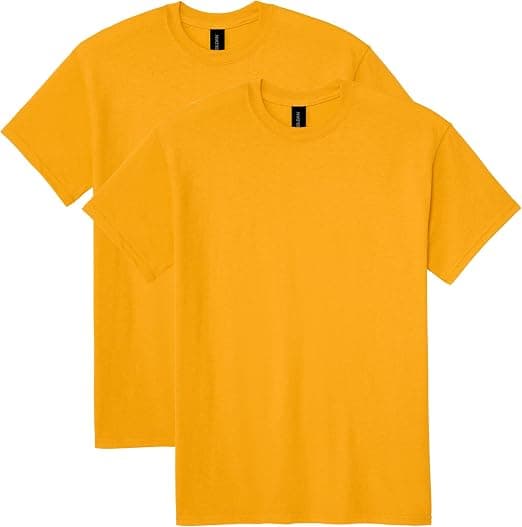
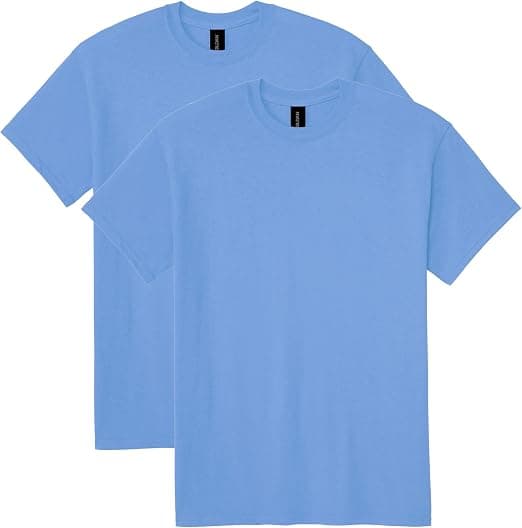
Bradford built itself on worsted wool and mohair. The warehouses of Little Germany went up for merchants selling cloth abroad, Lister Mills dominated Manningham, and Salts Mill still stands at the centre of the Saltaire World Heritage Site. That history has a practical consequence for anyone ordering apparel here. People in this district notice fabric handle. Hand somebody a thin, papery tee with a beautiful print on it and they will comment on the tee, not the print. A 180 gsm carded cotton and a 200 gsm ringspun cost differently and feel completely different in the hand, and in Bradford that difference tends to get mentioned out loud.
Who Orders What Across the District
The University of Bradford and Bradford College put a large student population into a compact city centre, and student orders are their own species: course hoodies, society kit, charity fundraiser tees, all with committee turnover baked in. Studios and small agencies around Little Germany order short, design-led runs where print quality is the whole point. The independent restaurant trade along Great Horton Road and Leeds Road wants front-of-house kit that survives constant washing. Junior football and rugby league clubs across the district order training tops and supporter wear, and the cultural organisations that multiplied around the city's year in the national spotlight keep running programmes that need crew shirts.
Screen Printing or DTF for a Bradford Run
Most enquiries here come down to a choice between two methods, and the deciding factors are colour count and quantity rather than anything mysterious.
- Screen printing: setup is charged per colour, so a two-colour society logo across 150 tees is very economical, while a six-colour illustration across 25 is not.
- DTF: no per-colour setup, prints full colour and fine gradients, and works across cotton, blends and polyester, which makes it the sensible pick for short design-led runs from a studio.
- Embroidery: the right answer for restaurant and hospitality kit that gets hot washed constantly, though fine serif type and thin linework have to be simplified before it will stitch cleanly.
- Vinyl: only worth it when you genuinely need per-item names or numbers, because it is applied piece by piece and the cost stays flat no matter how many you order.
Marl and Heather Fabrics Behave Differently
Here is the thing most Bradford buyers find out the hard way. Heather grey, marl navy and other melange fabrics are made from yarns of two shades spun together, so the surface you are printing onto is not one flat colour. Fine lines and small type lose their crispness against that speckled ground. In screen printing you can fix opacity with a white underbase, but that adds a colour to the setup and gives the print a heavier, slightly stiffer feel. DTF handles it with its own white layer. None of this is a reason to avoid marl fabrics, they look great and hide wear well, but if your design depends on hairline detail, print it on a solid colour and save the marl for the bolder version.
“"In a wool town, the blank is half the brief. A great print on a bad tee is just a bad tee people remember."”
Minimums, Mixed Sizes and Bulk Pricing
The minimum is 50 pieces per order, not 50 per size, so a society running from XS to 3XL can mix the whole spread inside one run. Bulk discounts climb as quantity rises and reach up to around 35% at the top end, which is why merging a department's orders, or two societies using the same base garment, beats placing three separate small runs. The free instant price calculator updates live as you change garment, method and quantity, so you can test whether pushing from 40 to 60 pieces actually pays for itself before committing to anything.
Timing Around Term Dates and Event Season
Production starts at artwork approval, not at the moment you place the order, and that distinction catches out more Bradford groups than anything else. As rough guidance, screen printing and embroidery run around 10 to 15 working days from approval, with sublimation and more complex jobs nearer 15 to 20. Add 2 to 5 working days for tracked UK delivery after dispatch. Freshers week and the run-up to the summer festival season are the two obvious crunch points, so if your kit has to exist by a fixed date, get the proof signed off early rather than negotiating garment colours the week before.
Before You Approve the Proof
Send vector artwork where you have it, name your exact colour references rather than describing them, and use the free Design Studio to see the design sitting on the actual garment at actual size. Chest logos look bigger on screen than they do on a body. One more point worth flagging: if you plan to describe your garments as sustainable or recycled in your own marketing, check the current CMA guidance on environmental claims before you commit that wording to a swing tag, because the rules on what you can say are stricter than most people assume.