Custom Clothing Printing in Basildon and South Essex
By The Velocity Wear Team
Need this made?Get pricing for this product— free, no obligation, 50 pieces minimum.
For custom clothing printing in Basildon, engineering and light manufacturing set the brief, and a surprising amount of the job is deciding what not to decorate. Velocity Wear supplies from a 50-piece minimum with mixed sizes, delivered across Basildon, Wickford and south Essex on a tracked service.
A New Town Built Around Its Industrial Estates
Basildon was designated a new town in 1949 and planned from the start with industry sitting alongside housing rather than bolted on later. That is still visible on the ground. Cranes Farm, Burnt Mills, Pipps Hill and the estates strung along the A127 carry automotive engineering and research, electronics, plastics, packaging and pharmaceutical manufacturing, with the borough reaching out to Wickford, Billericay, Laindon and Pitsea. The apparel demand that comes out of it is overwhelmingly practical.
Technical Garments You Should Not Decorate Freely
This is the point worth the read. Electronics and precision manufacturing often issue anti-static or ESD-safe coats and smocks, which work because a conductive grid is woven through the fabric. Applying a heavy heat transfer over that area, or stitching through it without thought, can interfere with the property the garment was bought for. The same principle applies to flame-resistant garments and certified hi-vis: the certification belongs to the garment as manufactured, and decoration is a modification of it. Ask what the manufacturer permits before approving artwork, and where the answer is restrictive, brand the mid layer instead and leave the technical garment alone.
“"Decorating a technical garment is a modification. Treat it like one and ask first."”
Engineering Kit and the Hot Wash
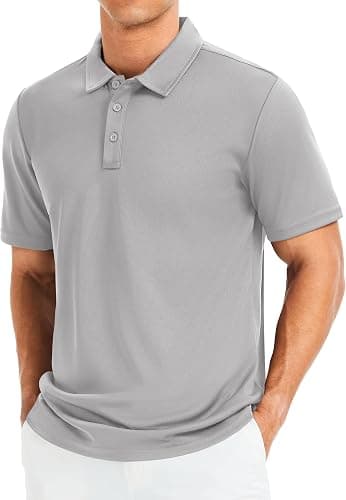
For everything else the specification is familiar and unglamorous. Embroidered polos and fleeces in poly-cotton, because pure cotton shrinks and creases and looks tired within a couple of months of daily wear. Darker colourways that cope with oil and swarf. Stitch rather than print on anything laundered hot, since a printed logo has a surface layer to crack and an embroidered one has nothing to lose. None of this is clever. It is simply what survives a shop floor.
Apprentices, Starters and Size Spread
South Essex manufacturing takes on apprentices and new starters throughout the year, and kitting them is where budgets quietly leak.
- Order a spread wider than current headcount, weighted to the middle sizes, and issue from stock rather than ordering per person.
- Include the smaller sizes properly, because apprentice intakes skew younger and smaller than an established shop floor.
- Avoid ten-piece top-ups, which each pay their own setup and sit at the bottom of the discount curve.
- Write down the exact garment code, colour, thread references, logo size and placement so next year's run still matches this one.
Delivering Across Several Units
Plenty of Basildon operations run from more than one unit on more than one estate, and the instinct is to let each sort out its own clothing. It is the wrong instinct. The 50-piece minimum applies per order rather than per product or per site, so one consolidated order across units clears it more easily, lands higher on the discount curve, and produces uniform that actually matches between buildings.
Corporate Kit Along the A127
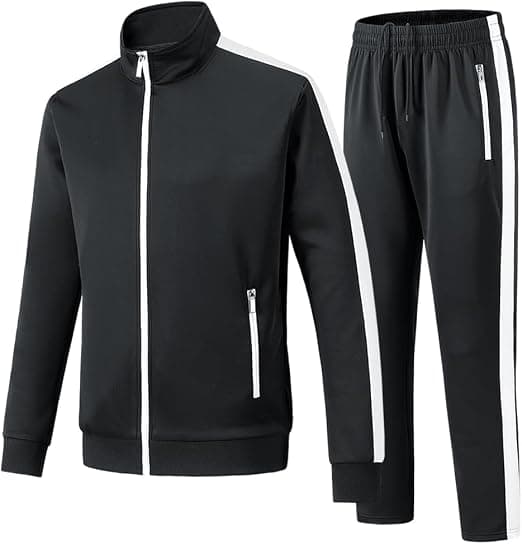
The commercial side of the borough, the offices and design functions and professional firms, buys a different kind of clothing entirely. Restrained embroidery on a decent quarter-zip or softshell, neutral colours, a real size range. Keep the two budgets separate in your head, because applying workwear logic to corporate kit produces something nobody wants to wear and applying corporate logic to workwear produces something that falls apart by spring.
Where the Money Goes on a Run
Bulk discounts reach up to around 35% as quantities rise, and the shape of that curve rewards planning far more than it rewards negotiation. One annual order beats four quarterly ones. A mixed run of polos, fleeces and softshells beats three separate minimums. The free instant price calculator makes the comparison concrete in a couple of minutes, and it is worth running before you split an order rather than after you have already placed both halves.
Artwork Approval Starts the Clock
Production begins when artwork is approved, not when the order is placed. Embroidery and screen printing typically run around 10–15 working days from approval, with 2–5 working days tracked delivery across Essex afterwards. Send vector files, give exact colour references, and simplify small text before it reaches a machine. Preview placement and scale in the free Design Studio and check the logo at the size it will genuinely be stitched, not at the size it looks good on screen.