Custom Clothing Printing in Barnsley and the Dearne Valley
By The Velocity Wear Team
Need this made?Get pricing for this product— free, no obligation, 50 pieces minimum.
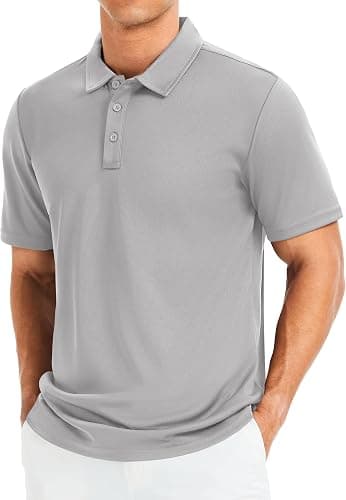
For custom clothing printing in Barnsley, warehouse and distribution workwear is the biggest single requirement, and the specification is driven by what happens inside a large shed rather than by branding preference. Velocity Wear supplies from a 50-piece minimum with sizes mixed freely inside the run, delivered across Barnsley and the Dearne Valley on a tracked service.
Why the Sheds Set the Brief
Barnsley sits on the M1 between Sheffield and Leeds, and much of the land the pits left behind has been rebuilt as distribution space. Junctions 36 and 37 and the Dearne Valley corridor now carry a dense run of warehousing, third-party logistics and light manufacturing. That gives the town an apparel profile closer to a logistics hub than a market town: large teams, continuous recruitment, and garments worn for a full shift in a building that is cold in February and uncomfortable in July. One mid layer has to cover both, which is why fleeces and quarter-zips outsell hoodies here by a wide margin.
Hoods, Cords and Moving Machinery
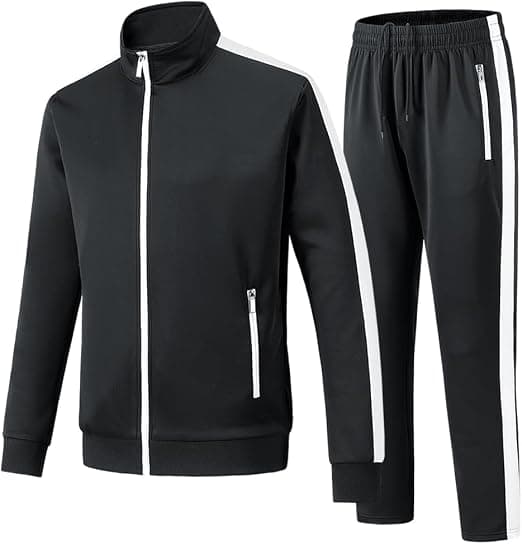
This is the part most branded-clothing pages miss entirely. Plenty of Barnsley sites run conveyors, balers, wrappers and forklifts, and site rules on many of them prohibit drawcords, hoods and loose fastenings anywhere near moving parts. Buy a hundred branded hoodies for a warehouse team and you may discover they are not permitted on the floor. Check the site rule before choosing the garment rather than after. Crew-neck sweatshirts, cord-free fleeces and quarter-zips solve it without giving up any warmth.
Branding Hi-Vis Without Wrecking It
Hi-vis is the other place where enthusiasm causes damage. A certified garment earns its rating from the area of fluorescent fabric and the placement of retroreflective tape, and covering either changes the thing you paid for.
- Keep decoration off the reflective banding entirely, and keep chest and back marks proportionate rather than filling the panel.
- Print rather than embroider on hi-vis, since stitching perforates the fabric while a heat transfer sits flat on it.
- Ask what the manufacturer permits before approving artwork, because the certification belongs to the garment as it was made.
- If you want a bold brand statement, put it on the mid layer worn underneath and leave the hi-vis plain.
When Headcount Changes Every Month
Distribution recruits continuously and thins out after peak, so the size spread you need in March is not the one you needed in November. The cheapest route through that is to order deliberately wide: a spread broader than current headcount, weighted towards the middle sizes, issued to new starters from a shelf. The alternative is a stream of ten-piece top-ups that each pay their own setup and none of which reach the quantity a single larger run would have. Bulk discounts reach up to around 35% as quantities rise, and small repeat orders are the most reliable way never to see them.
“"The cheapest garment on a distribution site is the one already sitting in the stockroom when somebody starts on Monday."”
Football, Colleges and Community Runs
Away from the estates the orders look completely different. Oakwell anchors a strong supporter culture in a town that identifies closely with its club, and grassroots sides across Wombwell, Hoyland, Penistone and Cudworth order training tops and supporter kit on a season cycle. Barnsley College and the borough's schools add leavers hoodies with immovable end-of-term dates. Those are print jobs rather than stitch jobs: screen printing where quantity is high and the palette limited, DTF where artwork is detailed and the run short, vinyl for individual names and numbers.
Getting the Quantity Right
The 50-piece minimum applies per order, not per product and not per size, which matters more than it first sounds. A squad of eighteen plus two spares clears it. So does a mixed run of twelve polos, six fleeces and four softshells all carrying the same logo. Splitting that into three separate orders is the common mistake, and it costs money three times over. The free instant price calculator shows the difference in a couple of minutes, and the gap is usually wider than people expect.
From Artwork to Doorstep
Production starts when artwork is approved, not when the order is placed, so anything unresolved in your files comes out of your own schedule. Embroidery and screen printing typically run around 10–15 working days from approval, with 2–5 working days tracked delivery on top. Send vector artwork, give exact colour references rather than descriptions, and simplify small text before it reaches a machine: a phone number stitched at chest size is the single most common thing that comes back unreadable. Lay the design out in the free Design Studio and look at it at actual size.