Tree Surgery Workwear: What to Brand and What to Leave Alone
By The Velocity Wear Team
Need this made?Get pricing for this product— free, no obligation, 50 pieces minimum.
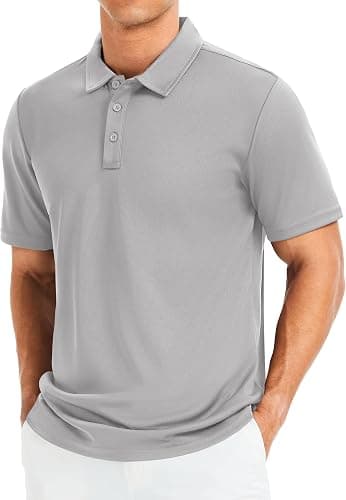
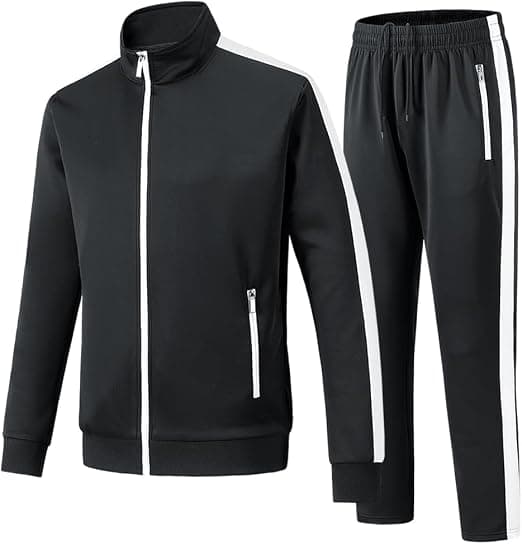
Certified protective clothing worn for chainsaw work is not a branding surface and should not be treated as one. Brand the non-protective layers instead: polos, hoodies, hi-vis tees, softshells and caps worn by the ground crew, in the van and at the gate. For anything protective, follow the garment manufacturer guidance rather than a printer's opinion. Velocity Wear supplies the brandable side of that wardrobe online from a 50-piece minimum.
Protective Clothing Is Not a Print Surface
Chainsaw trousers and jackets work through a layered construction designed and tested as a whole. Stitching through it, pressing heat into it or bonding adhesive film onto it are all interventions on a garment whose performance depends on that construction staying as the maker intended. Some manufacturers state clearly what may be applied and where. Some offer their own branding service. The correct move is to ask them, follow their written guidance, and decline any decoration they have not sanctioned. That is not caution for its own sake. It is the only defensible position.
Brand the Ground Crew, Not the Climber
Here is the practical consequence. The climber is high in a canopy, usually facing away, and effectively unreadable from the ground. Meanwhile the groundie stands at the chipper for hours in full view of the street, and is the person a curious neighbour actually speaks to. Yet most firms spend the branding budget on climbing kit and leave the ground crew in whatever hoodie they happen to own. Flip it. The hoodie, the hi-vis tee and the softshell at the gate are what generate the next enquiry.
Sap, Resin and Sawdust
Resin does not wash out. Conifer work in particular marks a garment permanently, and no laundry routine changes that. Mid and darker tones hide it far better than pale colours, which is why so much arb kit sits in greens, greys and blacks. Sawdust is the other one: it clings ferociously to brushed fleece and pile, and shakes off smooth-faced fabrics with much less fuss. A smooth-faced softshell is a better yard garment than a cosy fleece for exactly that reason.
Harnesses Eat Chest Logos
A harness chest strap and a rope bag both sit precisely where standard branding goes. Placement needs adjusting rather than defaulting.
- Move a chest logo higher and further towards the shoulder, clear of the chest strap line.
- Put the readable trading name across the upper back, above where a rope bag or rucksack sits.
- Use sleeve placements for a phone number, since sleeves stay visible when the torso is covered in kit.
- Keep branding on protective garments to whatever the manufacturer permits, and no further.
- Cap and beanie branding genuinely earns its place here, because head height is what people see from the pavement.
Hi-Vis for Highways, Verges and Utility Clearance
Street trees, verge work and anything near a carriageway or rail-adjacent land bring hi-vis requirements and client site rules with them. Decoration must stay off reflective tape and inside the plain panels, and the garment maker guidance governs what may be applied. Utility and highway clients often specify their own standards, so check theirs before ordering rather than assuming the last contract's rules carry over.
“"Nobody decorates a chainsaw. Treat certified trousers with the same respect."”
Choosing Methods for the Kit You Can Brand
Embroidery suits polos, softshells and beanies: durable, washes hot, and reads as an established firm rather than a weekend outfit. Simplify fine detail and small text before stitching, because thin lines do not survive being rendered in thread. Screen printing is the value option for bold hoodies and tees at volume, with setup charged per colour. DTF handles detailed or full-colour logos on shorter runs, and works across cotton, blends and polyester without per-colour setup.
Ordering for a Small Arb Team
Most arb outfits are three to eight people, which lands neatly on the 50-piece minimum per order with sizes mixed freely: a couple of polos and a hoodie each, plus spares. Bulk discounts reach up to around 35% as quantity rises, so pooling a year of kit into one run is the cheaper route. Production starts at artwork approval, with embroidery and screen printing typically around 10 to 15 working days from then and more complex work nearer 15 to 20, plus tracked UK delivery of roughly 2 to 5 working days. Lay the design out in the free Design Studio and check live pricing in the instant calculator before you commit.