Custom Apparel for Scaffolding Companies: Buying for Wear
By The Velocity Wear Team
Need this made?Get pricing for this product— free, no obligation, 50 pieces minimum.
Scaffolding destroys clothing faster than any trade we supply. Galvanised tube, fittings, boards and harness webbing abrade fabric constantly, so the sensible strategy is cheap hi-vis tops treated as consumables, a small number of properly decent outer layers, and branding placed where straps and steel do not sit.
Everything on Site Is Abrasive
Tube carried on the shoulder. Fittings in a belt bag banging against the hip. Boards braced against the forearm and thigh. A scaffolder's clothing is in constant contact with galvanised steel and rough timber, and the wear pattern is nothing like a general site trade.
The shoulders go first, then the forearms, then the front of the thighs. Anything decorated in those zones is decorated in the wrong place. This alone should change where you put the logo.
Harness Straps and the Chest Logo
A full body harness runs webbing over both shoulders, down the chest and around the thighs, with a chest strap crossing horizontally. That webbing moves against the garment all day and it is under load. Any embroidery under those straps is being sanded, continuously, by a strap carrying a person's weight.
Move the branding. The upper back above where the dorsal D-ring sits, and the lower front below the chest strap, both survive far better. Or accept the reality on hi-vis tops and use a printed logo, which has nothing raised to catch and simply fades rather than unravelling.
Decoration Must Not Compromise Certified Hi-Vis
Site hi-vis is certified protective clothing, and the certification depends on a minimum area of fluorescent background material and retroreflective tape, arranged in a specific way. Decoration can affect that.
The rules of thumb: do not print or apply anything over the retroreflective bands, do not add so much decoration that you meaningfully reduce the certified background area, and do not heat-apply anything to a certified garment without checking the manufacturer's decoration guidance. Many hi-vis manufacturers publish exactly what is permitted and where. Read it before you approve artwork, and if a site or principal contractor specifies a particular class of garment, confirm your decorated version still meets it. Keep branding proportionate and it is rarely a problem.
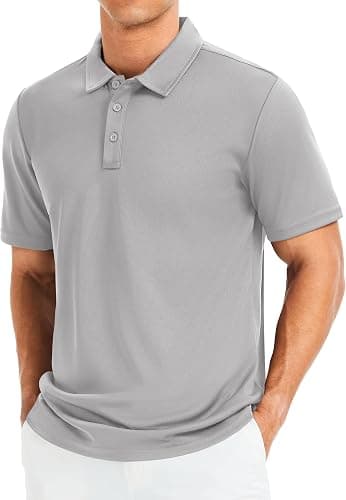
- Hi-vis polos and sweatshirts as consumables, printed rather than embroidered.
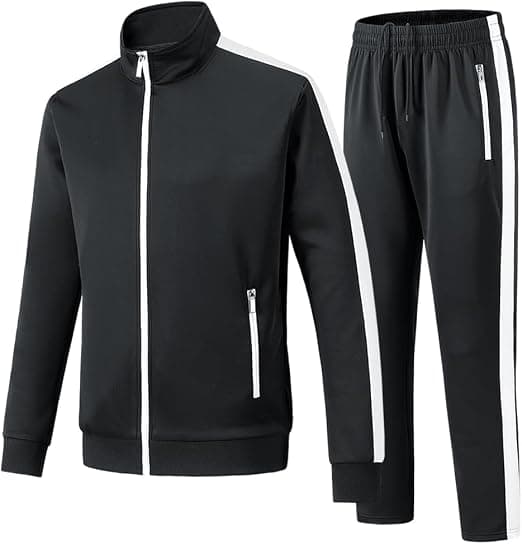
- One good soft-shell or waterproof per person, embroidered, replaced rarely.
- Branding on the upper back and lower front, clear of harness webbing.
- Nothing applied over reflective tape or outside the manufacturer's guidance.
- Buy in larger batches a few times a year, not five pieces at a time.
Print Beats Embroidery on Consumables
There is an instinct in construction that embroidery is the professional choice. On a jacket that stays in service for three years, that is right. On a hi-vis polo with a working life of a few months, it is money burned.
Screen printing is the cheapest route at the volumes a scaffolding firm buys, particularly for a one or two colour logo on a big run of hi-vis yellow. DTF is the better answer if your logo has detail or several colours and you are ordering shorter runs. Save embroidery for the soft-shells and the office.
The Scaffold Itself Is the Better Advert
Worth being honest about this. A branded polo on a scaffolder is seen by the site, the client and whoever walks past. A banner on a lift of scaffolding on a busy street is seen by thousands of people over several weeks, from a distance, with your phone number legible.
So do not over-invest in garment branding as a marketing channel. The workwear's real job is looking organised to a principal contractor who is deciding whether your crew belongs on their site. That is a professionalism signal, not an advertising one, and it does not require a large expensive logo.
“"Your scaffold advertises the company. Your workwear only has to prove you are running one."”
Sizing Reality on a Scaffolding Crew
Order the size range up. Scaffolders wear base layers under hi-vis in winter and need room to move through a lift without the garment binding across the shoulders. A slim-fit polo on a scaffolder lasts about a week before the seams go.
Buy the roomier cut, and weight the size mix towards large and above. Sizes mix freely within an order, so getting the spread right costs nothing extra and prevents the classic problem of a box full of smalls nobody can wear.
Consumption, Not Season, Drives Reordering
Scaffolding runs all year, so there is no natural buying season. Kit gets replaced when it is unwearable, which for hi-vis tops is roughly quarterly per person on heavy work.
The mistake is buying reactively, five at a time, whenever someone complains. Every one of those small orders pays setup again and none of them reach a useful quantity band. Work out a quarter's consumption, order it in one run with mixed sizes, and let the bulk discount do its job. Approve artwork promptly too, since production starts at artwork approval rather than at order placement.