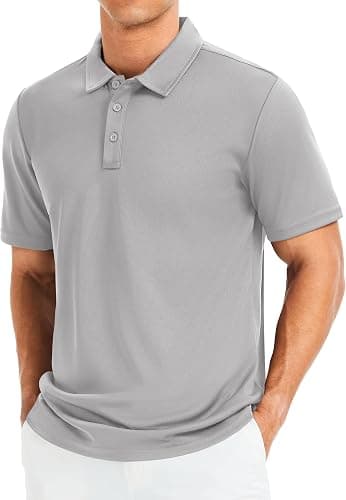
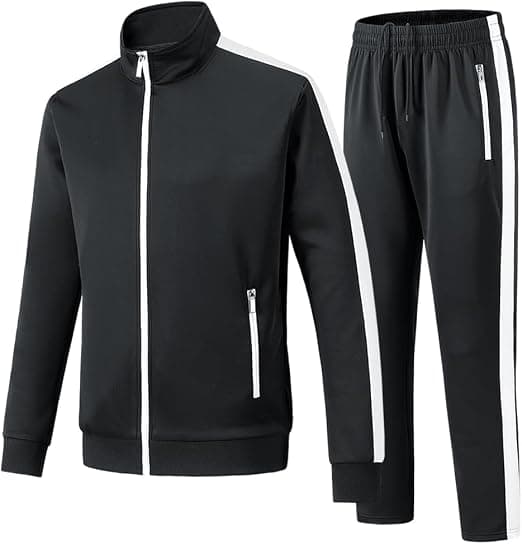
Roofing Workwear: Hot Work, Sun and Street-Level Branding
By The Velocity Wear Team
Need this made?Get pricing for this product— free, no obligation, 50 pieces minimum.
Roofing workwear is decided by two things most trades never think about: hot work and sunlight. Crews running torch-on felt need cotton-rich garments rather than polyester, which immediately narrows the decoration options, and everyone on a roof needs long sleeves and a proper peak in summer. On top of that, a roofing crew is the most visible advertising a domestic roofer owns. Velocity Wear supplies branded roofing kit online from a 50-piece minimum with sizes mixed freely.
Synthetics and Hot Work Do Not Belong Together
This is the single most important spec decision in the trade. Polyester and other thermoplastic fibres soften and melt under heat, and molten fabric against skin is a far worse outcome than a scorched cotton shirt. Anywhere your crew is running torches, handling hot bitumen or working alongside either, the brief should be cotton-rich, with your own risk assessment and the garment manufacturer guidance driving the final call. Tiling and slating crews have more latitude, but a mixed crew that swaps between both is simplest to kit out on the cotton-rich side.
What That Means for Printing
Because the fabric is fixed first, the decoration follows it rather than the other way round. Sublimation is polyester only, so it is straightforwardly out for a torch-on crew. DTG works on cotton and gives a soft finish, which suits tees. Screen printing is ideal for bold, limited-colour crew designs at volume, with setup charged per colour, and it stands up to the abuse a roofing tee takes. DTF covers detailed artwork on shorter runs and works across cotton, blends and polyester if part of your fleet sits on the non-hot-work side.
Shoulders, Knees and the Seat of the Trousers
Roofing wears garments out in a specific pattern. Shoulders go first from carrying tiles, slates and rolls up a ladder. Knees follow, from working on battens and on the deck. The seat wears from sitting on the roof and on ladder rungs. Assess anything you buy at those three points, and accept that trousers are on a much shorter replacement cycle than tops. Put the branding budget on the tops.
The Sun Problem Nobody Puts on a Poster
Roofers spend the whole summer on an unshaded, reflective surface. Long sleeves in a light, breathable weave beat a vest, however counterintuitive that feels at eleven in the morning. Caps with a genuine peak, or a legionnaire style that covers the neck, do more good than a beanie pushed back off the forehead. The compromise on colour is real: pale fabric is cooler and shows every mark, dark fabric hides the mark and cooks you. Mid tones are where most crews land.
Your Crew Is the Billboard
Domestic roofing is a referral and proximity trade. The customer who hired you is already sold. The audience that matters is everyone who walks or drives past that scaffold for a fortnight, half of whom have been putting off their own roof. So your branding has to be readable at twenty metres by somebody who is not trying to read it.
- Big, simple, high contrast: a trading name across the upper back beats a detailed logo on a chest.
- No thin serifs, no fine outlines, no gradient that turns to mush at distance.
- Include the town or area, because local proof is what a passer-by is really looking for.
- One phone number, in a weight heavy enough to read while walking past.
- Keep the same treatment on hi-vis, tees and hoodies so the crew reads as one firm from the street.
“"A roofing crew spends a fortnight standing in front of the exact people who need a roofer. Most of them do it in blank t-shirts."”
Hi-Vis, Scaffold and Site Rules
Commercial sites specify hi-vis and often a good deal more, and requirements vary between principal contractors. Keep decoration off the reflective tape, work within the plain panels, and follow the garment manufacturer guidance for what may be applied to that specific hi-vis garment. Confirm the rules with each site rather than carrying over what the last one accepted.
Ordering for a Roofing Firm
The 50-piece minimum per order, with sizes mixed freely, covers a typical crew with tees, hoodies and spares in one go. Bulk discounts reach up to around 35% as quantity rises, so ordering the summer tees and the winter hoodies together beats two smaller runs. Production begins at artwork approval, not at order placement: screen printing and embroidery typically take around 10 to 15 working days from that point, complex jobs nearer 15 to 20, then tracked UK delivery of roughly 2 to 5 working days. Everything is briefed online, with the free Design Studio for layout and the instant calculator for live pricing.