Custom Apparel for Removals Companies: What Crews Need
By The Velocity Wear Team
Need this made?Get pricing for this product— free, no obligation, 50 pieces minimum.
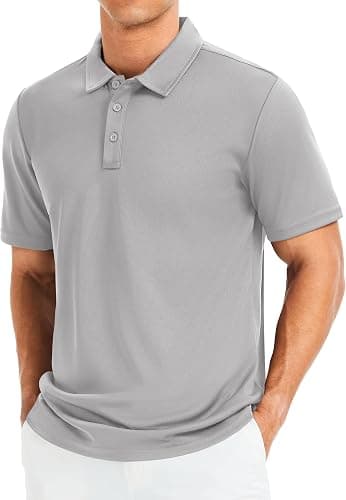
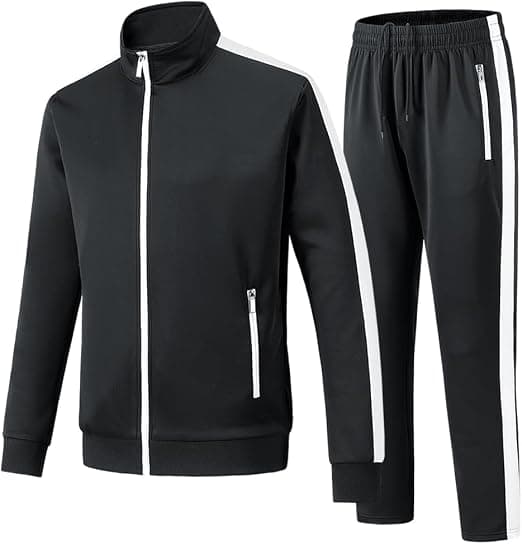
Removals is one of the few trades that is physically brutal and inside a customer's home at the same time. Crews need polos and sweatshirts that survive constant abrasion against boxes and furniture, plus hi-vis for kerbside work, and the branding needs to sit where it will not be rubbed off or hidden under a vest.
Your Chest Logo Is in the Abrasion Zone
Movers carry things against the body. Boxes are braced on the chest, wardrobe cartons ride against the sternum, and the corner of a chest of drawers goes exactly where a left-chest embroidery sits. That is different from most trades, where the chest is one of the least abraded areas.
The result is predictable. Six months in, the logo has a scuffed corner and pulled threads. Put the main branding on the back and on the sleeve instead, where it takes far less contact, and keep the chest mark small if you want one at all. A company name across the shoulders is also the version a customer standing in their hallway actually sees, because the crew are walking away from them most of the day.
The Hi-Vis Vest Hides Everything You Paid For
Loading and unloading on a residential street means hi-vis, and for anything near a main road it is not optional. The moment a vest goes on, every bit of chest and back branding on the polo underneath disappears.
So brand the vest as well. It is cheap to do and it is the outermost layer for a good part of the day. Keep decoration proportionate and within the manufacturer's guidance so it does not reduce the certified background or reflective area, which usually means a chest logo and a name across the upper back above the reflective bands, not a full-width graphic printed over them.
Hot Lifting, Cold Van, Layers That Come Off
A removals day swings wildly. Twenty minutes carrying a sofa up a staircase and you are soaked. Then an hour in a van with the shutter open. Crews need to shed and add layers all day without losing the branded look.
The workable combination is a branded polo as the base, always on, plus a branded sweatshirt or soft-shell that comes off during the heavy lifting. Avoid anything with a hood as the main layer. Hoods snag on door frames and banister rails, which is genuinely irritating and occasionally dangerous with a load in your hands.
- Branding on the back and sleeve rather than only the chest.
- Brand the hi-vis vest too, since it covers everything else.
- Polo base layer plus a removable sweatshirt or soft-shell.
- Avoid hoods on the primary work layer.
- Hold spare unnamed kit in large and extra large for agency crews.
Why a Matching Crew Sells the Job
Removals is bought on trust in a way almost no other trade is. The customer is handing over everything they own to people they met that morning. Four people in matching branded kit reads as a company with a reputation to protect. The same four in their own clothes reads as casual labour hired for the day, whether that is fair or not.
That is why the uniform is worth doing properly even at the small end. A two-van operation that dresses its crews consistently is competing on something other than price, which in this market is a genuinely useful position.
“"Customers cannot inspect your insurance from the doorstep. They can see whether your crew looks like it belongs to the same company."”
Agency Staff and the Friday Problem
Removals demand clusters at month end, quarter end and Fridays, and almost everyone plugs the gap with agency or casual labour. Those people arrive in whatever they own, and they are working alongside your permanent crew in front of your customer.
Keep a pool of unnamed branded polos in the commonest sizes, weighted towards large and extra large, and issue them at the start of the day. Because names are per-item personalisation, leaving them off is what makes garments reissuable. Personalise the permanent crew if you want, but keep the pool anonymous.
Fabric and Laundering Reality
Removals kit gets filthy in ways that do not come out. Loft dust, garden soil, van grease, the underside of furniture nobody has moved since 1994. Buy dark, buy a poly-cotton blend that takes a hot wash without shrinking, and accept that polos are a yearly replacement rather than a long-term purchase.
Given that, embroidery still tends to be the better choice for the back branding on sweatshirts, but a large screen-printed back on the polos is perfectly sensible. There is little point specifying a decoration method to last five years on a garment that will last one.
How Removals Firms Reorder
The realistic pattern is one substantial order a year, timed for spring before the summer moving peak, with a top-up if you take on staff. Trying to buy five polos at a time is the expensive way to do it, because you pay setup repeatedly and never reach a decent quantity band.
Our minimum is fifty pieces per order with sizes mixed freely, which for a firm running two crews is roughly one annual order anyway. Approve artwork early, since production starts at artwork approval rather than order placement, and allow around 10-15 working days from that point for screen printing or embroidery.