Custom Apparel for Plumbing and Heating Firms
By The Velocity Wear Team
Need this made?Get pricing for this product— free, no obligation, 50 pieces minimum.
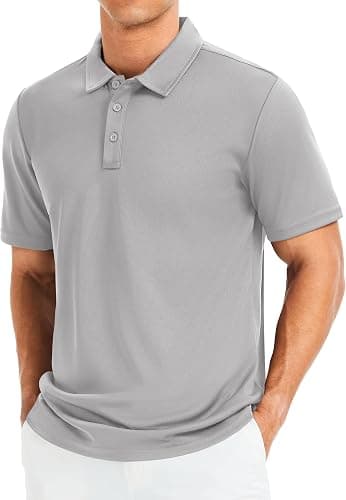
Plumbing and heating engineers work on their knees in other people's homes, so trousers matter more than tops, and tops are effectively consumables. Buy dark polos in quantity, spend the money on knee-pad trousers and a decent soft-shell, and put a small embroidered logo on the chest where a customer sees it on the doorstep.
The Doorstep Is the Only Marketing That Matters
Domestic plumbing is bought nervously. The customer has usually not met you, has read a couple of reviews, and is now deciding in about four seconds whether to let you into the house. What they are reading is the van, the clothing and whether you look like the business they phoned.
That is the entire case for branded workwear in this trade. It is not brand awareness. It is closing the gap between the company the customer researched online and the person standing at the door. A logo on the chest and a matching van does that in a way nothing else does at that moment.
Tops Are Consumables and You Should Buy Them That Way
System water from an old radiator circuit is black with magnetite and it does not wash out. Neither does flux, jointing compound, soot from a back boiler, or the residue on the underside of a thirty year old cylinder. A polo has a working life measured in months, not years.
So buy dark. Navy, black, charcoal. Buy a poly-cotton blend that takes a hot wash. And buy enough of them that you are not wearing a stained one on Thursday because the clean ones ran out. Six polos per engineer is a sensible baseline, and it is cheaper per piece than buying three twice.
Trousers Deserve the Budget, Not the Jacket
Half this job happens kneeling: under sinks, in airing cupboards, on bathroom floors, in loft hatches. Knee-pad trousers with proper pockets are the single highest-value garment in the trade, and they are the one most small firms under-buy.
Branding on trousers is largely pointless, since nobody sees a thigh logo and the fabric takes a beating anyway. Spend on the function, and put the branding budget into the polos and the outer layer where it is actually visible.
- Six dark poly-cotton polos per engineer, embroidered chest logo.
- Knee-pad work trousers, unbranded, chosen on function.
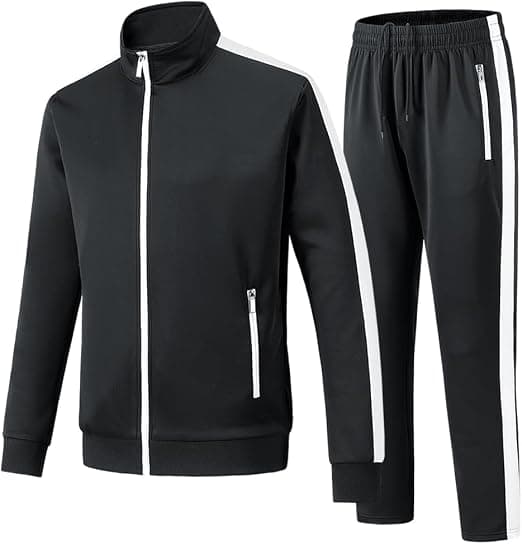
- One soft-shell or bodywarmer per person for winter call-outs.
- Hi-vis for any roadside, new-build or commercial site work.
- Check scheme brand rules before adding a registration logo to clothing.
Registration Scheme Logos: Follow Their Rules
Plenty of firms want a competent-person or registration scheme logo alongside their own. That is reasonable and customers do look for it, but those marks come with their own usage conditions covering size, colour, clear space and who is entitled to display them.
Get the current rules from the scheme itself and supply the artwork they provide rather than a version pulled off a website. Redrawing a scheme logo for embroidery without checking is how firms end up with fifty polos they have to replace.
The Sole Trader and the Minimum Order
Most of this trade is one van, or two or three. A fifty-piece minimum looks like a lot when there is only one of you, and this is the most common objection we hear from plumbers.
The answer is to stop thinking in weeks and start thinking in years. A single engineer buying six polos, four long-sleeve tops, a couple of sweatshirts, a soft-shell, a bodywarmer and a hi-vis is at fifteen already. Add a few spares and you are there, sizes mixed freely across the run. That is not overbuying. It is buying a year of work clothing at once, at one setup cost, in the bulk band rather than out of it.
“"Nobody in this trade regrets buying too many polos. Everybody regrets the Thursday they turned up in the stained one."”
Embroidery Almost Always, With One Exception
Embroidery is the right method here. It survives hot washing, it does not crack when you crawl across a floor, and it carries the established look this trade needs. On a polo it is straightforward and the logo will outlast the garment.
The exception is a detailed multi-colour logo, or one with gradients, which will not stitch cleanly at chest size. Simplify it for embroidery if you can. If you cannot bear to, DTF gives you the full-colour version with no per-colour setup and holds up reasonably to washing, though it will not look as premium up close.
When Firms Actually Reorder
The natural rhythm is annual, and the smart firms tie it to something they already do: van renewal, insurance renewal, the start of the financial year. Anything that forces the decision, because otherwise it drifts and the kit gets tatty by degrees.
The one exception is a heating firm gearing up for winter. If you are taking on an extra engineer for the boiler season, order in late summer. Production starts at artwork approval, not at order placement, so approve your proof early and allow around 10-15 working days from approval for embroidery.