Custom Apparel for Nurseries and Childcare Settings
By The Velocity Wear Team
Need this made?Get pricing for this product— free, no obligation, 50 pieces minimum.
Nursery kit lives or dies on the wash cycle. Staff garments in an early years setting get washed far more often, and usually hotter, than office polos, so the sensible default is embroidery on a poly-cotton polo with a sacrificial tabard over the top. The other thing to settle before you order is cords and drawstrings, because adult garments worn around very young children raise a hazard the garment was never designed for.
What Actually Ruins Nursery Uniform
Ask any room leader and they will list poster paint, PVA glue, felt tips and whatever was for lunch. Those are the obvious ones, and most of them come out. The real garment killers are duller. Repeated hot washing is the first: it fades dye, softens the elastane in a collar and lifts anything stuck to the surface of the fabric rather than built into it. The second is sun cream. Through a British summer, staff apply it dozens of times a day, and the residue transfers to sleeves and forearms where it slowly bleaches dark navy and black into a patchy grey. Nobody plans for that, and it is usually why a set of polos looks tired after one year instead of three.
Mid-tones are more forgiving than either extreme. White shows every mark. Very dark shades show sun cream residue and dried paint dust worst of all.
Cords, Drawstrings and Toggles: Settle This First
There is a long-standing safety concern about cords and drawstrings on clothing worn in and around young children, and it is why children's garments sold in the UK and Europe are made to a specific standard covering cords at the neck and hood. That standard covers children's clothing, not adult staff clothing. The hazard does not care whose garment it is, though: a toddler on a lap can and will grab a hanging hood cord.
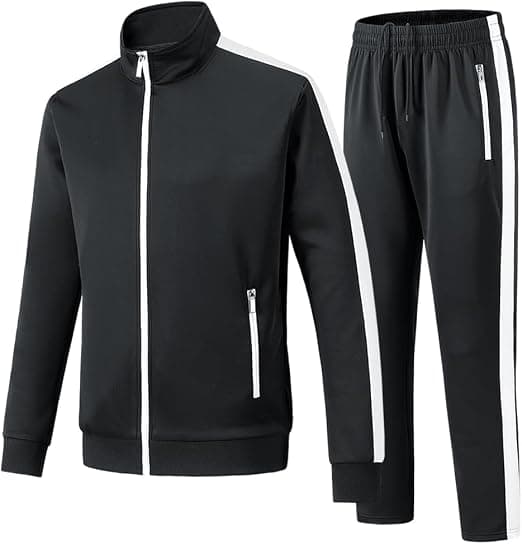
We supply apparel, we do not advise on compliance, so we will not tell you what your setting must do. Check the current official guidance along with your own risk assessment and safeguarding policy, then tell us what you need. In practice that usually means hooded tops with no drawcord, or crew-neck sweatshirts instead of hoodies. It is a five-minute decision at briefing stage and impossible to fix once forty hoodies have arrived.
Decoration Methods Ranked for the Laundry
This is the sector where decoration method matters more than garment choice. Anything sitting on the surface of the fabric is on borrowed time.
- Embroidery: the right answer for staff polos, sweatshirts and fleeces. Stitched thread goes through hot washing without fading or lifting, though fine detail and small text need simplifying first.
- Screen printing: durable and cheapest at volume, with a setup cost per colour. Good for a large run of tabards in one or two colours.
- DTF: no per-colour setup and it handles the detailed, full-colour logos nurseries tend to have, on cotton, blends or polyester.
- DTG: lovely soft handle, cotton only, and it will visibly dull with repeated hot washing. Fine for a one-off graduation tee, not for daily uniform.
- Vinyl and HTV: use it for names, but accept it is the weakest option against frequent hot washes.
Polos, Tabards and the Value of a Cheap Layer
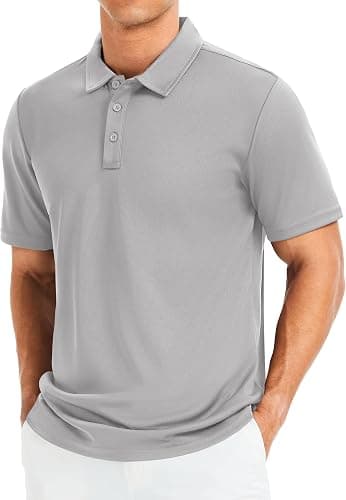
A poly-cotton polo holds its shape, dries fast on a radiator and takes embroidery cleanly. A 100% cotton tee in the same role will be shapeless by half term. Short sleeves win, because sleeves get pushed up forty times a day for handwashing and nappy changes, and constant rolling wrecks a cuff.
The tabard is the piece people underrate. It is cheap, it takes the paint and the messy play, and it can carry the same logo. Replacing a printed tabard yearly costs far less than replacing embroidered polos, and staff can strip the mess off before walking into a parents evening.
Rooms, Roles and the Personalisation Trap
Colour-coding by room helps enormously at pick-up, when a parent who has been at work all day needs to find someone from the toddler room in a hall of thirty adults. Different polo colours per room with the same embroidered logo works well and costs nothing beyond ordering a couple of shades.
Resist embroidering first names onto garments. Early years has real staff turnover, and a personalised polo becomes dead stock the day someone leaves. Put the room or the role on the garment and keep names on a badge that costs nothing to replace.
“"Nursery uniform is never judged on day one. It is judged after forty washes and one summer of sun cream."”
Ordering for a Small Setting
Our minimum is 50 pieces per order and sizes mix freely within that run, which matters when a single-site nursery has eleven staff spanning XS to 3XL. Two polos each clears it comfortably. If you are part of a small group, consolidating into one annual order brings the cost per piece down, because bulk discounts reach up to around 35% as quantities rise. Test that in the free instant price calculator, and lay the design out in the free Design Studio to see how the logo actually sits on a polo chest.
Timing Around the September Intake
Production starts at artwork approval, not when you place the order, so the clock only runs once you have signed off the proof. As rough guidance, embroidery and screen printing take around 10 to 15 working days from approval, with more complex jobs nearer 15 to 20. UK delivery is typically 2 to 5 working days after dispatch. If you want new uniform in place for the September intake, brief it in early summer and approve the proof quickly rather than sitting on it through the holidays.