Museum and Gallery Uniform: Visible Staff, Quiet Branding
By The Velocity Wear Team
Need this made?Get pricing for this product— free, no obligation, 50 pieces minimum.
Museum and gallery uniform has to do something unusual: identify staff clearly while staying quieter than the room. That means one consistent colour, restrained decoration at a small scale, garments smooth enough for collection areas, and a layering plan for buildings that are cold most of the year. Velocity Wear supplies branded cultural venue kit online from a 50-piece minimum per order, with sizes mixed freely, which suits small independent museums as well as larger services.
The Room Is the Star and the Uniform Knows It
A gallery is designed to control where your eye goes. Drop a member of staff into it in a fluorescent shirt with a huge back print and you have added a competing focal point to a space someone spent months curating. The design brief is therefore the opposite of most retail: identifiable at conversational distance, and visually neutral from across the room. Muted tones, a single small logo, and no oversized text.
Consistency does the identification work instead of loudness. If every member of staff is in the same specific shade, visitors learn it within a couple of rooms, and after that they can find help without any of it being obtrusive.
Collection Areas Have Rules Your Uniform Should Respect
This is the part general workwear suppliers never raise. In stores, conservation spaces and anywhere staff handle or move objects, what a garment sheds or scratches genuinely matters. Loose fibres, glitter or flock finishes, metallic transfers that can flake, hard zip pulls, rivets and rough buttons all pose a risk to objects and surfaces. Smooth, stable fabrics and soft closures are the safer choice, and heavily textured knits are best kept to front-of-house.
Your own collections care team will have the definitive answer for your building. Ask them before you buy rather than afterwards, because it can change which garment you pick, not just which logo goes on it.
Historic Buildings Are Cold, and Staff Stand Still
Gallery invigilation is a stationary job in a building often kept cool for the collection. Standing still in a cold room for hours is a different thermal problem to walking around, and staff will solve it themselves with their own coats if you do not solve it for them. That is how uniform consistency quietly collapses. A branded fleece, gilet or cardigan-style layer in the same palette keeps the look intact and is usually more appreciated than another polo.
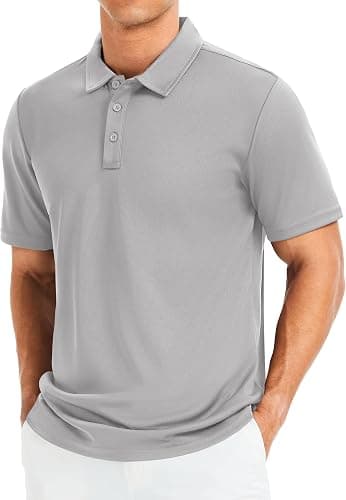
- Front of house: a polo or open-collar shirt in one muted colour, small tonal or single-colour logo.
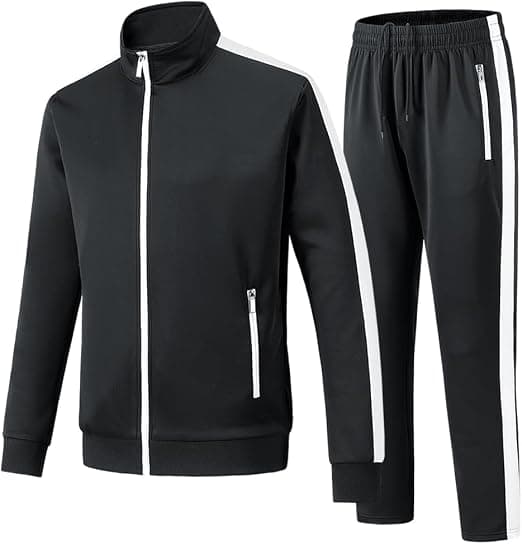
- Warm layer: a matching fleece or gilet, branded, because in a cold gallery this is what staff actually wear.
- Volunteers: the same palette with a clear role word so visitors know who is staff and who is a guide.
- Learning and events: something more relaxed and washable for school sessions and craft activities.
- Retail and cafe: a distinct but related colour so visitors can tell a shop assistant from an invigilator.
Tonal Branding Looks Beautiful and Can Be Useless
Tone-on-tone embroidery, a navy logo stitched into a navy polo, is the house style of every well-designed cultural venue, and it is genuinely elegant. It is also invisible from more than a couple of metres. That is fine if your identification strategy is colour consistency plus a name badge, and a problem if you were relying on the logo to say "staff". Pick one approach deliberately. A common compromise is a tonal logo on the chest and a small, legible role word on the back at modest size.
“"The best gallery uniform tells a visitor who to ask a question and absolutely nothing else."”
Decoration Choices on a Small Museum Budget
Embroidery is the natural fit for polos, fleeces and gilets, and it reads as permanent rather than promotional, which suits a heritage setting. Simplify fine detail first, because many museum logos are line drawings of a building and those need redrawing to stitch cleanly. Screen printing is cheapest at volume for a bold design, with setup charged per colour, so it suits volunteer tees rather than invigilator kit. DTF handles a detailed crest or a full-colour identity on a small run without per-colour setup, which is often exactly the situation an independent museum is in.
Ordering Sensibly When the Budget Is Fixed
Small museums and trusts usually order once and then live with it, so the useful lever is consolidation. The 50-piece minimum is per order with sizes mixed freely, which means a venue with a dozen paid staff and a pool of volunteers can cover both in one run instead of two, across every size needed. Bulk discounts reach up to around 35% as the quantity rises, so adding the volunteer tier to the same order usually costs less per piece than ordering it separately later. If your organisation runs more than one site, combining the order across sites is the single biggest saving available.
Plan around exhibition openings rather than financial quarters. Production starts at artwork approval, and as guidance embroidery and screen printing take around 10 to 15 working days from approval, with complex jobs nearer 15 to 20, plus 2 to 5 working days for UK tracked delivery. The free Design Studio lets you check how a small tonal logo actually reads at scale, and the instant price calculator shows what happens when you add the volunteer tier to the run.