Mobile Mechanics' Workwear: Oil, Driveways and Doorstep Trust
By The Velocity Wear Team
Need this made?Get pricing for this product— free, no obligation, 50 pieces minimum.
Mobile mechanic workwear should be specified for attrition rather than longevity. Oil stains permanently, degreasers and repeated hot washing destroy most surface decoration, and you get through garments. Buy more of a cheaper garment, keep them identical, and pick a decoration method that survives a hot cycle. Velocity Wear supplies branded mechanic kit online from a 50-piece minimum with sizes mixed freely, so a whole rotation can come from one run.
Plan for Attrition, Not for Longevity
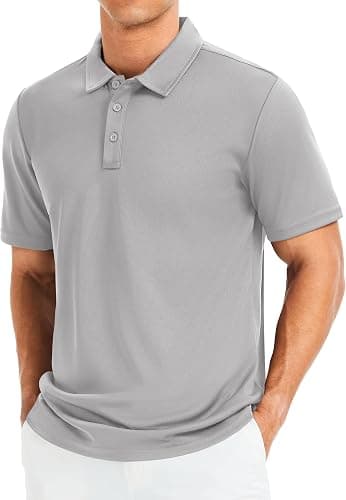
There is no fabric that beats old engine oil. Diesel, brake fluid, gear oil and antifreeze all leave permanent marks, and once a garment has taken a proper hit it is not coming back. That changes the buying logic completely. Rather than a few good garments protected carefully, you want plenty of identical mid-range garments in rotation, retired as they get ruined and replaced from the same specification. A team in eight matching polos of which two are stained still looks like a team.
The Hot Wash Decides Your Decoration Method
Anything worn under a car goes in on a hot wash, repeatedly. That is the constraint most suppliers gloss over. Embroidery handles hot washing better than almost anything else, because it is thread rather than a surface layer, which is why it dominates traditional garage uniform. Screen printing, properly cured, also holds up well. Vinyl names and numbers are the weak point: they are excellent for individual personalisation but least happy with repeated high-temperature washing, so use them where personalisation matters and accept a shorter life.
Lying Under a Car Wears Out the Middle of Your Back
Mobile work usually means no ramp. You are on a creeper or on a mat on a driveway, grinding the centre of your back against tarmac and gravel for half the job. A large centre-back print is the first thing to abrade away, which is exactly where most firms put their biggest logo. Move it up onto the shoulder yoke, where the fabric sees far less contact, and it will outlast the garment.
- Upper back yoke rather than centre back, so the print survives a creeper and a driveway.
- Chest logo plus a first name, which does the introduction on a doorstep.
- Sleeve or shoulder phone number, visible while you are bent into an engine bay.
- Nothing on the lower back, which sits under a belt and takes the most abrasion.
- Keep the same layout across overalls, polos and hoodies so the fleet reads consistently.
You Are Working on a Stranger's Driveway
Mobile mechanics turn up at homes and workplaces, park in residential streets, and work in full view of neighbours who did not book anything. Identifiable, matching kit does two jobs here. It reassures the customer watching from the window that the person under their car is who they booked, and it advertises to everyone else in the street. Very few trades get that much unpaid exposure in a residential road for two hours at a time.
“"Your biggest print is on the part of your back you spend the day dragging along a driveway. Move it up six inches."”
Kerbside Work Needs Hi-Vis
Roadside call-outs and anything done at a kerb bring traffic risk, so hi-vis belongs in the van as standard rather than as an afterthought. Keep decoration off the reflective tape and inside the plain panels, and follow the garment manufacturer guidance on what may be applied. Where you work on commercial premises or fleet yards, the site sets its own rules, so check them before ordering rather than after.
Snag Risk Around Running Engines
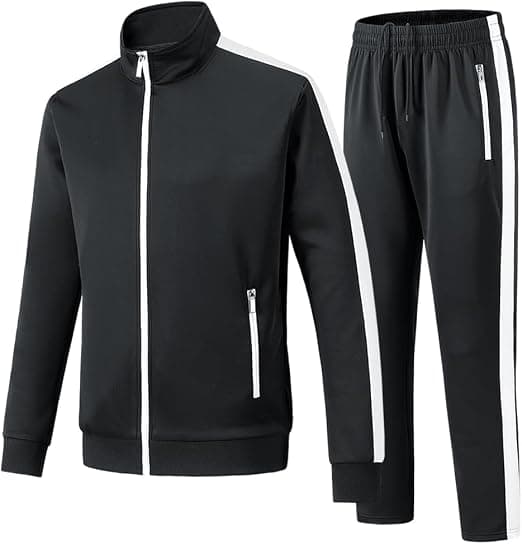
Loose cuffs, dangling drawcords, hanging lanyards and open jackets are all snag risks around belts, fans and rotating parts. This is a matter for your own risk assessment rather than a supplier's opinion, but it does shape the order: fitted or elasticated cuffs, drawcords removed or absent, and a garment that closes rather than flaps. A hoodie is a van garment and a customer-facing garment, not a working-under-the-bonnet garment.
Ordering a Rotation
The 50-piece minimum per order, with sizes mixed freely, suits this sector particularly well, because attrition means you want depth rather than variety. Bulk discounts reach up to around 35% as quantity rises, so ordering a full rotation plus spares in one run is both cheaper and keeps the fleet matching. Production starts at artwork approval, with embroidery and screen printing typically around 10 to 15 working days from then, and tracked UK delivery of roughly 2 to 5 working days after dispatch. Lay it out in the free Design Studio and check live costs in the instant price calculator.