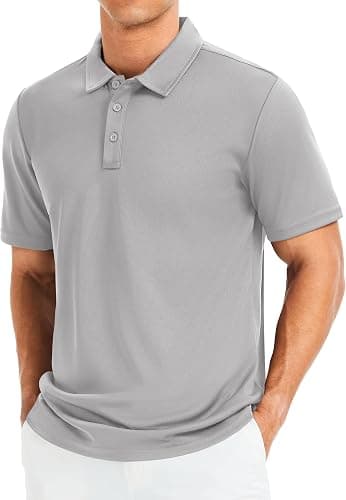
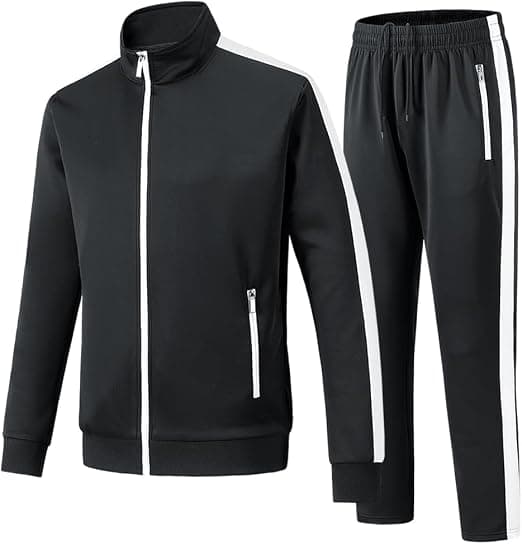
Custom Apparel for Leisure Centres
By The Velocity Wear Team
Need this made?Get pricing for this product— free, no obligation, 50 pieces minimum.
Poolside kit lives in a chemical environment, and that changes the maths. Chlorine strips colour from dyed fabric and degrades elastane over time, so poolside garments should be treated as a shorter replacement cycle than the rest of the centre and budgeted separately. Choose colours that fade gracefully, keep elastane content low, and prioritise visibility above everything else.
What Chlorine Actually Does
Two separate things, and it helps to keep them apart. First, it bleaches. Dyed fabric loses colour unevenly, which is why poolside navy drifts towards a dusty purple brown and black goes chalky at the cuffs and hem before anywhere else. Second, it attacks elastane. That is the fibre that gives stretch garments their recovery, and once it degrades a top goes baggy and never comes back.
Neither is a fault in the garment. It is chemistry, and no fabric is genuinely immune. The useful response is to choose specifications that fail slowly and predictably, and to stop expecting poolside kit to last as long as reception kit.
Colours That Age Well and Colours That Do Not
Strong reds and yellows generally hold their appearance under chlorine exposure better than deep navies and blacks, which is convenient because those are exactly the colours lifeguard visibility calls for. Mid tones and fashion shades tend to look tired quickest. If you want a dark colour anywhere in the building, put it on reception and gym floor staff who are nowhere near the water.
White is a mixed case. It cannot lose colour it does not have, but it discolours from sunscreen, body products and pool chemicals, and it goes grey rather than crisply white after enough washes. It works better as a trim than as a whole garment poolside.
Lifeguards Are Specified for Emergencies
A lifeguard's kit has a job that no other uniform in the building has: being identifiable instantly from the far end of the pool, from the water, and by a panicking parent. That means high contrast against the water, against the tiles and against the crowd on a busy public session. It also means the garment has to work when the wearer enters the water, so a heavy cotton top is the wrong choice regardless of how well it washes.
- Keep lifeguard kit in a high contrast colour reserved for that role and used nowhere else in the centre.
- Choose low elastane fabrics poolside, since chlorine degrades stretch fibres and the garment loses shape.
- Budget poolside garments on a shorter replacement cycle than reception and gym kit.
- Give swim teachers who stand in water a separate spec again, with fast drying fabric and no heavy cotton.
- Use a back print as well as a chest logo, because staff are approached from behind constantly on a busy poolside.
Print Method in a Wet, Chemical Environment
Anything that sits on the surface of the fabric can eventually lift, and heat, moisture and chemicals accelerate that. Sublimation is the one method with no surface layer at all, because the design goes into the polyester fibre itself, which makes it genuinely excellent poolside. The catch is real: sublimation works on polyester only and on light bases only, so it cannot put a design onto a red or navy garment.
That leaves a practical split. Where you can use a light polyester base, sublimation is the most durable option available. Where you need a strong dark or saturated colour, buy a dyed garment and use embroidery for logos, which has nothing to peel, or DTF where you need detail and colour without per colour setup.
One Building, Four Different Jobs
Reception is customer facing and dry, so it can carry the smartest and darkest kit. Gym floor staff want something that looks athletic and copes with movement and sweat. Poolside is the chemical zone. Cleaning and maintenance is proper workwear. Colour code by area so a member on a busy Saturday knows who to ask, and keep the logo treatment identical across all four so the centre still reads as one operation.
Buying on a Sensible Cycle
Because poolside kit wears out faster, the temptation is to order it separately in small amounts. That is the expensive way round. Order the whole centre together, weight the quantity towards poolside so you hold a buffer, and reorder annually rather than in dribs. Minimum order is fifty pieces per order with sizes mixed freely, and discounts rise with quantity to around thirty five per cent, so consolidating departments makes the poolside buffer close to free.
“"Poolside uniform is not damaged by chlorine. It is consumed by it, and the only real decision is how gracefully it goes."”