Custom Apparel for Landscaping Businesses: A Practical Guide
By The Velocity Wear Team
Need this made?Get pricing for this product— free, no obligation, 50 pieces minimum.
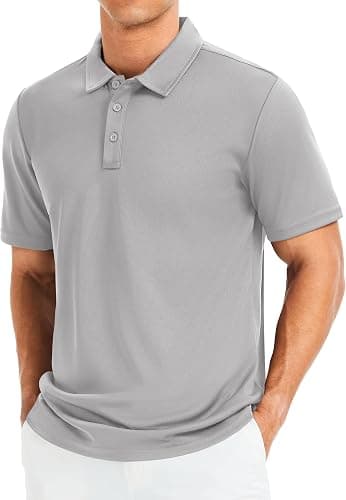
Landscaping kit gets destroyed in a season, so the right approach is a two-tier one: cheap printed t-shirts and polos treated as consumables, and embroidered outer layers treated as assets. Buy the year's worth in one order before the season starts, because once March arrives nobody has time to sort sizes.
Green Is the Obvious Colour and the Wrong One
Every landscaping firm reaches for green. It makes complete sense on a van and no sense at all on a t-shirt. Grass stain is a green-yellow pigment, and on a mid-green garment it does not blend in, it sits there as a slightly different green patch that reads as a stain rather than as part of the colour.
Mud on mid-green goes grey-brown and shows every mark. What actually hides a day's work is charcoal, black, dark navy, or a heather marl where the flecked yarn breaks up the visual field. If you want green in the identity, put it in the logo and the van, and dress the crew in something that still looks acceptable at four in the afternoon.
Two Tiers, Two Decoration Methods
A landscaper's t-shirt is a consumable. It gets torn on brambles, scorched by strimmer debris, and permanently marked by sap and resin. Embroidering a garment with a working life of one summer is spending money that does not come back.
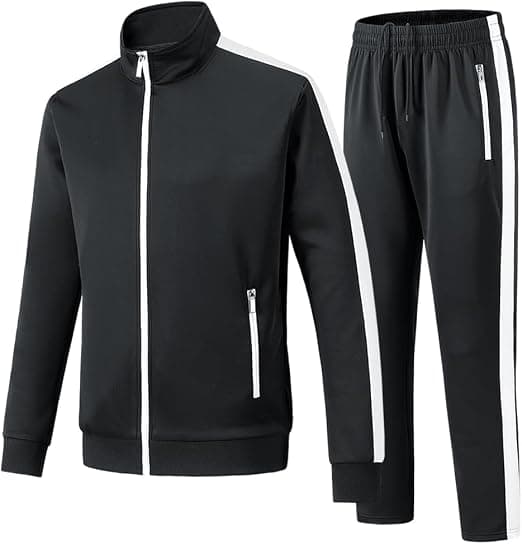
Print those. Screen printing is cheapest at volume if you are buying forty or fifty shirts in one or two colours, and DTF handles a more detailed logo without a per-colour setup on shorter runs. Then embroider the things that last: soft-shells, gilets, sweatshirts and jackets. Embroidery survives brambles and abrasion far better than a print that will scuff off a sleeve.
Fabric When You Sweat All Day and Get Rained On
Pure cotton is comfortable in the heat and then stays wet for hours, which is miserable when the temperature drops at four. Pure polyester dries fast and holds odour, and in a crew van at the end of a hot Friday that is a real problem.
A poly-cotton blend is the sensible middle. Around 200 GSM for t-shirts, a touch heavier for polos so they survive a rucksack strap and a strimmer harness rubbing across the shoulder.
- Printed t-shirts and polos as consumables, dark or heather colours.
- Embroidered sweatshirts, gilets and jackets as multi-season assets.
- Hi-vis for any verge, roadside or highway-adjacent work.
- Never decorate certified chainsaw trousers or other certified PPE.
- Order the full season in February, not in dribs and drabs from April.
Hi-Vis and the Certified PPE Line
Grounds maintenance work near roads, on verges and in car parks needs hi-vis, and most commercial contracts specify it. That is a straightforward branded item: chest logo, name across the back, keep it modest.
Chainsaw trousers, chainsaw boots and cut-protection garments are a different matter. These are certified protective products whose performance depends on the construction of the garment. Do not put embroidery or heat-applied decoration on them. Stitching through cut-protection layers and applying heat to a certified garment can compromise what it is certified to do. If you want branding on the crew doing chainsaw work, put it on the helmet-free layers around it and follow the garment manufacturer's own decoration guidance.
“"A logo on a pair of chainsaw trousers buys you nothing and costs you the only thing those trousers are for."”
The Season Dictates the Order
Landscaping demand is brutally seasonal. Hedge cutting, mowing rounds and construction-adjacent soft landscaping all pile into March through October, and that is when kit gets shredded. It is also when nobody has an afternoon to spend collecting size lists.
Order in January or February. You know roughly how many shirts a person destroys in a season because you watched it happen last year. Buying a full season in one run also puts you well into the bulk bands, where discounts reach up to around 40 percent as quantities rise, rather than paying setup costs three separate times.
Seasonal Staff and the Sizing Problem
Most firms take on extra hands for the growing season, often at short notice. If your branded kit only exists in the sizes of your permanent crew, seasonal staff turn up in their own clothes and your job sites stop looking like a company.
Build a buffer into the annual order. A dozen unnamed t-shirts spread across medium, large and extra large costs very little on a run that size and means anyone can be dressed on their first morning. Sizes mix freely within an order, so it does not complicate anything.
Why Branded Kit Pays in Domestic Work
On commercial contracts branded workwear is often a requirement and nobody thinks about it. In domestic garden work it does something more useful: it distinguishes a landscaping business from a man with a trailer, in a market where that distinction is exactly what the customer is trying to judge.
That is a reason to keep the t-shirts fresh rather than letting the crew wear last year's faded ones into a third season. Cheap consumable shirts are only cheap if you actually replace them.