Kitchen Fitting Workwear: Dust, Gloss and Ten Days in a Home
By The Velocity Wear Team
Need this made?Get pricing for this product— free, no obligation, 50 pieces minimum.
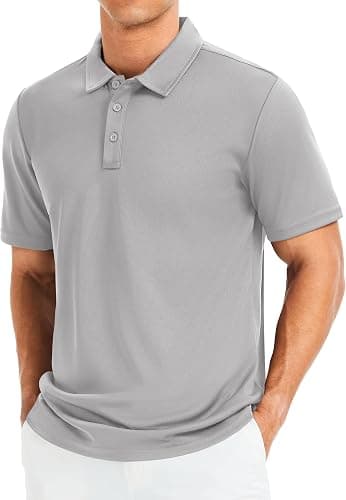
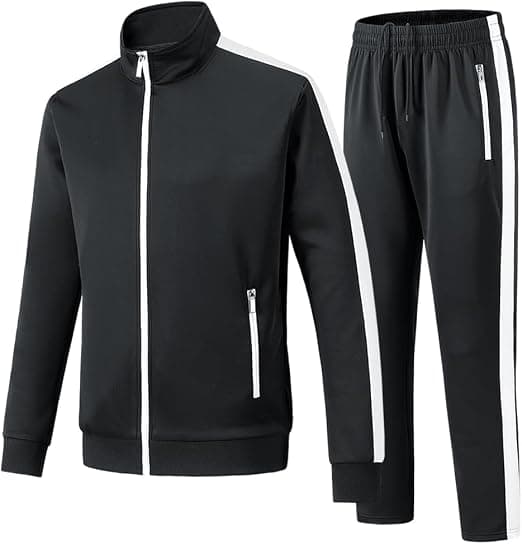
Kitchen fitting workwear is specified around one fact: you are inside somebody's home for a week or two, working around surfaces that mark. That means soft-fronted garments without hard zips and rivets that can score gloss doors and stone worktops, fabrics that shed fine dust rather than holding it, and understated branding suited to a referral trade. Velocity Wear supplies branded kitchen fitting kit online from a 50-piece minimum with sizes mixed freely.
Ten Days in Someone's House Changes the Brief
Most trades are in and out in a day. A kitchen fitter is there long enough that the customer forms an opinion, makes the tea, and tells their friends about the experience rather than just the result. That raises the bar on presentability well above a general building site. A clean, consistent polo each morning reads as an organised firm. The same fitter in a different faded t-shirt every day reads as a man with a van, whatever the standard of the work.
Hard Fittings Mark Expensive Surfaces
This is the point that separates kitchen fitting from every other trade wardrobe. High-gloss doors, painted in-frame units, quartz and sintered stone worktops all scratch, and you spend the whole day leaning across them. Metal zip pulls, jacket buttons, chest rivets, belt buckles and even a stiff embroidered badge can leave a mark on a surface that cost more than the appliances.
- Prefer soft-fronted garments: polos, crew sweatshirts and jackets with covered or internal zips.
- Avoid chest rivets, exposed metal buttons and dangling zip pulls on anything worn while leaning over units.
- Consider a smooth print rather than embroidery for a chest logo, since stitching sits proud of the fabric.
- Keep back branding, where the surface risk is lowest and the logo is still seen constantly.
- Check belt buckles and tool belts, which cause more gloss damage than clothing ever does.
Fine Dust Behaves Differently to Site Dirt
Cutting worktops, trimming MDF panels and drilling out for services all produce a very fine dust that behaves nothing like brick dust or mud. It works into brushed fleece and pile fabrics and stays there through several washes. It also sits obviously on dark garments, so the black fleece that looks smart in the van looks grey by mid-morning. Smooth-faced fabrics and mid tones cope far better across a full installation week.
Layers for a Job That Moves All Day
A kitchen fit runs between a cold van, a warm house, an outside cut station and a garden or driveway in whatever weather is happening. Fitters need layers that go on and come off without ceremony, which argues for a light branded base layer worn all day plus a mid layer that lives on a chair. A single heavy jacket is the wrong answer; it gets taken off at nine and never goes back on, and it takes the branding with it.
“"A fitter who leans on a gloss door in a jacket with a metal zip has just bought that door."”
Branding for a Trade That Sells on Referral
Kitchens are bought on recommendation and on being seen. Friends and family visit mid-install, and the customer shows them round. That audience is receptive but not captive, so loud branding works against you. A neat chest logo, a tidy back mark and a consistent colour do more than a large advertising graphic, which in a domestic setting reads as pushy. This is one of the few trades where restraint genuinely outperforms visibility.
Choosing a Decoration Method
Embroidery gives the most professional finish on polos and softshells and washes hard without fading, though it sits proud of the fabric and needs fine detail simplifying. Screen printing is the cheapest route at volume for bold, limited-colour designs, with setup charged per colour. DTF handles detailed or full-colour logos on smaller runs across cotton, blends and polyester with no per-colour setup. DTG is cotton only and gives the softest hand, which suits a tee worn under a sweatshirt.
Ordering for a Fitting Team
The minimum is 50 pieces per order with sizes mixed freely, which for a fitting firm typically means several polos each plus a sweatshirt and a couple of spares. Bulk discounts reach up to around 35% as quantities rise. Production starts once artwork is approved, with embroidery and screen printing typically around 10 to 15 working days from approval and more complex work nearer 15 to 20, then tracked UK delivery of roughly 2 to 5 working days. Velocity Wear is online only, so you brief and proof in the free Design Studio and check pricing in the instant calculator.