Food Truck Uniform: Kit That Survives Heat and Grease
By The Velocity Wear Team
Need this made?Get pricing for this product— free, no obligation, 50 pieces minimum.
Food truck kit has to solve a problem no office uniform faces: two or three people working shoulder to shoulder next to a fryer and a griddle inside a metal box, for hours, in whatever the weather is doing outside. That rules out heavy garments, thick print slabs across the chest and anything that cannot take a hot wash every single night. Velocity Wear produces street food kit online from 50 pieces per order, which for a small crew is realistically a year of stock in one go.
Heat Is the First Constraint, Not Branding
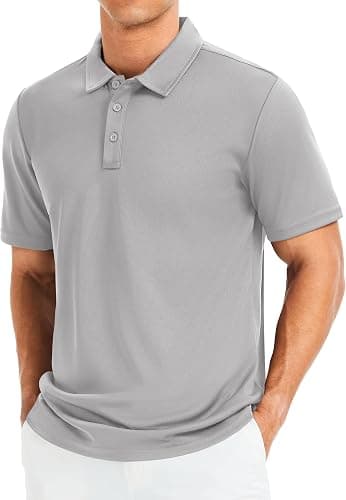
Service temperature inside a truck sits well above the ambient temperature outside, and the extraction only does so much. Fabric choice matters more here than in almost any other sector. Cotton breathes and feels better against skin but holds stains and dries slowly. Polyester dries fast and sheds moisture but traps odour, and cheap polyester holds the smell of last night's fryer no matter how you wash it. A poly-cotton blend is the usual compromise, and it is a compromise, not a perfect answer.
One point that gets missed: a large, heavy screen print across the chest is effectively a plastic panel sitting on your torso. In a hot truck, people feel it. Sublimation is the one method with no surface layer at all, because the dye goes into the fibre, so an all-over printed shirt breathes exactly as the fabric does. The catch is real though. Sublimation works on polyester only, and only on light bases, so it cannot give you a dark shirt that hides grease.
Grease Marks Everything, So Plan For It
Oil spots do not come out reliably, and they show up on every colour, just differently. Dark garments hide the mark but show the shine. Patterned and heathered fabrics disguise both better than flat colours. The realistic approach is to accept the shirts are consumables on a shorter cycle than you would like, and to put a bib apron over the top so the apron takes the direct splash. Aprons are cheaper to replace than shirts and easier to swap mid-service.
Your Queue Reads the Back of the Shirt
The truck's own vinyl does the branding at distance. Up close, at the hatch, the customer is looking at the person handing over food, and that person is usually turned away, working. The upper back is the panel your queue spends the most time looking at. A short wordmark or a social handle across the shoulders gets read far more than a left-chest logo that is behind a serving hatch lip half the time.
Building a Kit List for a Three Person Crew
Small crews need more sets than they think, because nothing dries in a van overnight and a Saturday market weekend is two full services back to back.
- Three shirts per person minimum, not two. One on, one in the wash, one clean in the van as the emergency change.
- Bib aprons in a quantity above the shirt count, because they get changed mid-service and they take the grease.
- Caps or headwear for everyone handling food, chosen for washability. Hair covering sits within food hygiene requirements set out on GOV.UK, and your local authority is the place to confirm what applies to you.
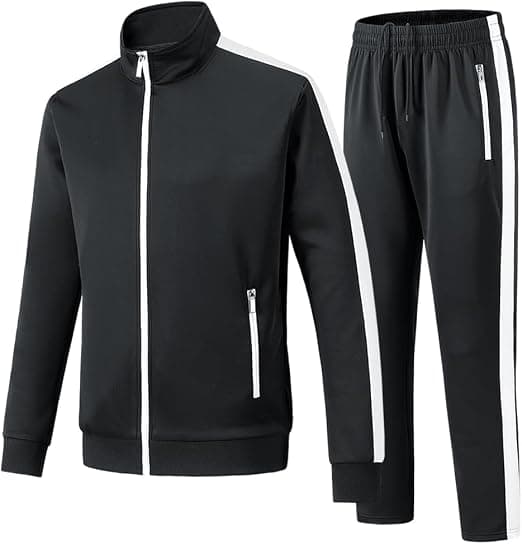
- A branded mid-layer for winter markets and 6am setups, kept out of the cooking zone.
- One spare set of everything in the largest common size, for the friend who ends up helping on a busy day.
Prints That Survive a Nightly Hot Wash
Street food kit gets washed hotter and more often than almost anything else. Screen printing handles that well at sensible temperatures and stays bold. DTF holds up on cotton, blends and polyester and is the practical route for a detailed or full-colour logo on a small run, which describes most food trucks. Embroidery is extremely durable but it is also thick, and a large embroidered back on a polyester shirt can pucker after repeated hot washing. Keep embroidery small and use it on caps, aprons and outerwear rather than on the shirt you sweat in.
“"Buy the shirts expecting to bin them. The moment you treat uniform as permanent, you start hand-washing at midnight instead of trading."”
Ordering Once a Year Instead of Constantly
The 50-piece minimum applies per order, not per size, which suits a three person crew ordering a year of shirts, aprons and caps in one run rather than dribbling out small top-ups. It also gets you further into the bulk discount range, which reaches up to around 35% as quantities rise. Production starts at artwork approval, so get the proof signed off in the quiet season. Screen printing and embroidery run around 10-15 working days from approval as qualitative guidance, with UK tracked delivery typically 2-5 working days after dispatch. Ordering in January for a March festival season is comfortable. Ordering in March is not.