Flooring Fitters' Workwear: Knees, Adhesive and Clean Houses
By The Velocity Wear Team
Need this made?Get pricing for this product— free, no obligation, 50 pieces minimum.
Flooring workwear fails from the knee up. Trousers are effectively a consumable, adhesive and screed mark permanently, and the job takes place inside a customer's finished home where a scruffy fitter is remembered. The sensible answer is to split the wardrobe: plain hard-wearing trousers on a short replacement cycle, and branded tops that last and get seen. Velocity Wear supplies the branded half online from a 50-piece minimum with sizes mixed freely.
The Knee Is Where Everything Fails
No other trade spends as much of the day kneeling. Fabric at the knee goes through abrasion against subfloor, grit, adhesive residue and the top edge of a knee pad, all at once. Knee pad pockets that sit correctly matter more than the pad itself, because a pad that slips down puts the impact on bare fabric and then on you. Double-layer knee panels help, but nothing makes flooring trousers last like a top does. Plan on replacing them and stop pretending otherwise.
Adhesive Never Comes Out
Contact adhesive, spray tack, screed and levelling compound all leave permanent marks. Solvent removal typically wrecks the fabric or the colour before it shifts the stain. This drives two decisions. First, colour: mid to dark tones on the lower half, because pale trousers look ruined within a fortnight. Second, placement: keep any branding above the waist, where it is not sitting in the splash zone of a bucket of adhesive.
You Are Working Inside a Finished Home
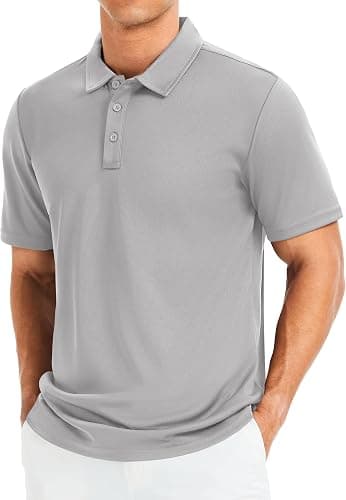
Flooring goes in near the end of a job, when the walls are painted and the customer has started imagining living there. Your crew is the last trade they see, which means they associate the finished result with how your fitters looked. A clean branded polo each morning does more for a referral than any leaflet, and it costs less. Dust sheets, clean overshoes and a tidy top half are all part of the same impression.
Split the Wardrobe by Replacement Cycle
This is the non-obvious bit, and it saves real money. Because trousers die fast and tops survive, buying branded trousers is buying branding you will bin. Order trousers plain, in a consistent colour, and buy them on a short cycle. Then spend properly on the branded upper layers.
- Plain trousers, consistent colour, bought often, no decoration and no attachment.
- Branded polos in a colour that reads clean at eight in the morning after being packed in a van.
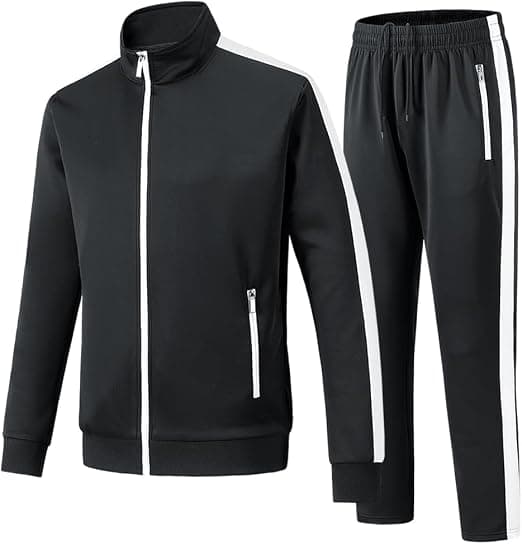
- One branded hoodie or softshell per fitter, which does the visible work on site and at the merchant.
- A branded cap, worth more than you would expect when fitters are kneeling and heads are the visible part.
- Spares held back from the same order, so a replacement matches the rest of the team.
“"You are the last trade in the house. The customer will remember what your fitters looked like long after they have forgotten the underlay."”
Subcontract Fitters Wear What They Like
Most flooring firms use self-employed fitters, and the honest truth is that a full head-to-toe uniform often stays in the van. A fitter who owns their own trousers and boots is not going to change habits because you sent a catalogue. What they will wear is a genuinely decent branded hoodie or polo, in a colour that does not look like a giveaway. Aim for one or two good garments they actively want to put on rather than a full uniform they resent.
Pockets, Knives and New Floors
Small practicalities decide whether a garment gets worn. Open cargo pockets tip screws and trim clips onto a floor you have just laid, so covered or zipped pockets earn their keep. Loose drawcords are a nuisance around a knife and a straight edge. Anything hard hanging from a belt loop can score a freshly fitted vinyl or an LVT plank, which is a repair you are paying for.
Methods and Ordering
Embroidery is the right call for polos and softshells: it survives repeated washing and reads as a proper firm, though fine detail and small text need simplifying to stitch cleanly. Screen printing is the value option for tees and hoodies at volume, with setup per colour. DTF suits a detailed logo on a shorter run. The minimum is 50 pieces per order with sizes mixed freely, with bulk discounts up to around 35% as quantity rises. Production starts at artwork approval, typically around 10 to 15 working days for embroidery and screen printing, then tracked UK delivery of roughly 2 to 5 working days. Design and preview it all in the free Design Studio, with live costs in the instant price calculator.