Custom Apparel for Fishmongers
By The Velocity Wear Team
Need this made?Get pricing for this product— free, no obligation, 50 pieces minimum.
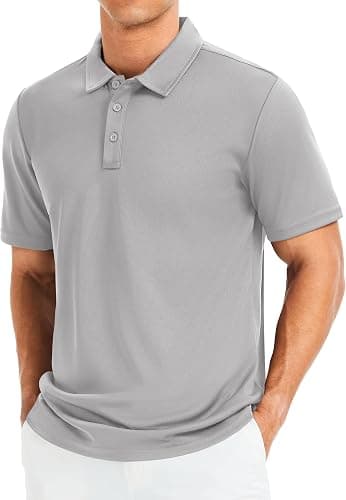
A fishmonger's kit is wet from the first hour to the last, and the fabric that dries fastest is also the one that holds odour worst. Cotton rich garments under a proper waterproof apron beat all polyester here. The branding usually belongs on the apron, and that means print or vinyl rather than embroidery.
The Polyester Trap
Standard workwear advice says polyester for wet environments because it wicks and dries quickly. That advice was written with rain and sweat in mind. Fish is different. Synthetic fibres are well known for holding onto odour causing residues through a normal wash in a way cotton does not, and once a polyester top has taken on the smell of a slab it tends to bring it back the moment the shop warms up.
Cotton rich fabric holds more water and takes longer to dry, which is a real downside worth admitting. But it washes clean and it stays clean smelling, and in a trade where staff go home on public transport that matters more than drying speed. You solve the wet problem with the layer on top, not by changing the fibre underneath.
The Apron Is the Real Garment
In a fish shop the waterproof apron does almost all the work. It takes the water, the slime, the scales and the ice, and it wipes down between tasks instead of being laundered. Spec a proper coated apron with a decent length, because a short one just moves the soaking to the thighs. Then treat the garment underneath as a warmth layer rather than protection.
That reordering of priorities changes where branding goes. The apron is the surface a customer looks at, so it is the sensible place for the shop name. But a coated apron should not be embroidered, because every needle penetration is a hole through a waterproof layer. Use print or heat applied vinyl instead, sized generously so it reads across a counter.
Cold, Not Only Wet
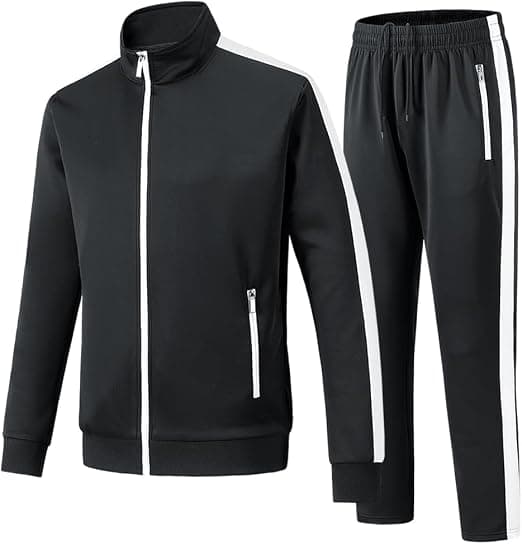
Ice is the forgotten part of the specification. Staff handle crushed ice all day with wet hands and wet sleeves, and market traders do it outdoors in a wind. Long sleeves soak at the cuff and stay soaked, acting like a wick up the forearm. A shorter sleeve plus a separate warm layer under the apron often works better than a long sleeve top that never dries.
- Choose a cotton rich base garment that washes hot and does not retain odour, and buy enough to change daily.
- Put the money into the apron: coated, long, with a comfortable neck strap rather than a thin cord.
- Brand the apron with print or vinyl, never embroidery, so the waterproof layer stays intact.
- Avoid long sleeves at the slab and give staff a warm mid layer they can add underneath instead.
- Keep dry spares on site, because there is no useful way to dry a soaked garment mid shift.
Staining, Scales and the Bleach Problem
Fish stains are less aggressive than butchery stains, but blood from oily fish, roe and squid ink all mark, and the usual response is bleach. Bleach is where uniforms go to die. It takes colour out of dyed cotton in patches, so a shop that bleaches routinely should either standardise on white and accept it, or budget coloured kit as a shorter cycle consumable. Pretending a navy polo will stay navy through three years of bleaching sets everyone up for disappointment.
Scales are the quieter nuisance. They dry hard, embed themselves in loose weaves and knits, and come off a tight woven fabric far more easily than a textured or brushed one. That is another argument for smooth faced garments and against anything fleecy in this trade.
Market Stalls Have a Different Brief
A stall on a market or a harbourside pitch is outdoors, cold, and competing visually with a dozen neighbouring traders. That pushes towards a bolder identity than a shop counter needs. A large printed name across an apron or the back of a jacket does more for you than a discreet chest logo, because customers read you from ten metres away as they walk past. Strong colour helps too, and a coloured apron over neutral clothing is the cheapest way to look like a proper outfit rather than someone standing behind a table.
Ordering and Replacing
Wet trades chew through kit, so plan around replacement rather than one perfect purchase. Ordering aprons and garments together makes the fifty piece per order minimum easy for even a two person shop, sizes mix freely within a run, and volume discounts rise to around thirty five per cent. Record the garment code and the thread or vinyl colours so the replacement batch matches, and allow for production starting at artwork approval.
“"You cannot wash a smell out of a polyester top. You can only wait for the shop to warm up and meet it again."”