Farm Attraction Uniform: Four Seasons, One Order, Endless Mud
By The Velocity Wear Team
Need this made?Get pricing for this product— free, no obligation, 50 pieces minimum.
Farm attraction uniform is a seasonal problem dressed up as a clothing problem. The team triples in size for a handful of peaks, works outside in mud and weather, and moves between animal handling, food service and ticketing in a single shift. The answer is a layered, role-based kit ordered once a year in a size spread rather than named garments per person. Velocity Wear supplies branded attraction kit online from a 50-piece minimum per order, with sizes mixed freely.
One Year, Four Completely Different Operations
Easter brings lambing and a young family audience. Summer is long, hot and busy, with outdoor play and tractor rides. October is the pumpkin peak, which for many farms is now the single biggest weekend block of the year. December is a grotto operation run mostly indoors, in the cold, at dusk. Each of those has a different staff size, a different weather problem and a different mood, and hiring patterns change with them.
The mistake is buying a uniform for the summer team and then improvising for the other three. Build a base garment that runs all year, then add the seasonal layers on top of it.
Layering Is the Whole Strategy
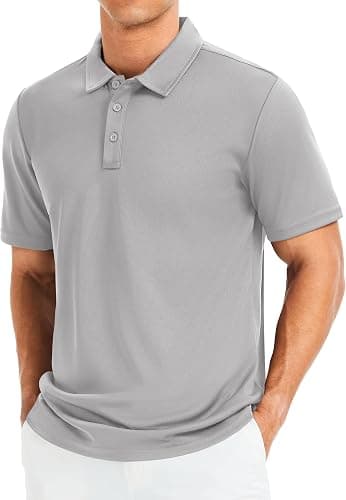
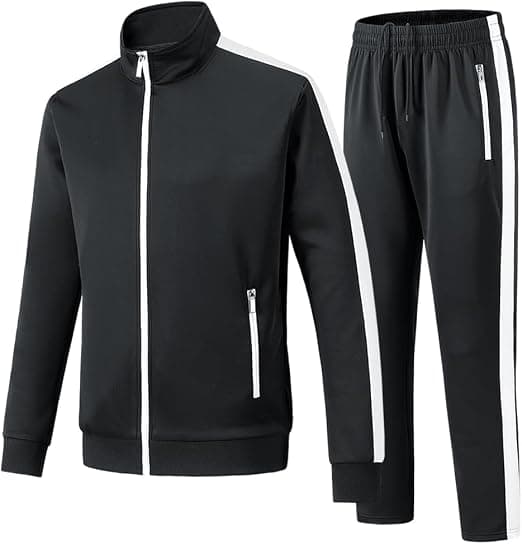
Nobody dresses a farm attraction team correctly with one garment. A branded tee or polo works from May to September and sits under everything else for the rest of the year. A branded fleece or sweatshirt is the workhorse from October through March. A waterproof shell over the top is genuinely necessary if your site has outdoor queuing, and it is the layer visitors see for months at a time, so it has to carry the brand.
- Base: a branded tee or polo in a dark or mid tone, worn year round and under every other layer.
- Mid: a branded fleece or crew sweatshirt, the garment your team lives in from autumn onwards.
- Outer: a shell or bodywarmer, branded, because in winter this is the only layer a visitor ever sees.
- Food and catering tier: a lighter, cleaner garment that never goes near a paddock, plus whatever your hygiene procedures require.
- Headwear: a cap for summer sun in open fields and a beanie for December, both cheap ways to look organised.
Mud Is a Specification, Not an Accident
There is no such thing as clean uniform on a working farm attraction after half term. Accept it at the ordering stage and it stops being a problem. Choose mid to dark colours, avoid anything pale below the chest, and pick fabrics that tolerate frequent hot washing. Then buy more pieces per person than you think, because a team working consecutive days in wet weather simply cannot dry and rewash a single garment overnight. Three cheaper garments per person beats one expensive one here, which is the opposite of the advice you would give an office.
The Cleanliness Split Nobody Plans For
Farm attractions have a genuine tension: the same organisation runs animal contact areas and a food outlet, and visitors notice if the person serving their bacon roll looks like they have just come from a goat pen. Separate the tiers visually as well as practically. Give catering staff a distinct colour and a garment that stays in the cafe, and make it obvious that the two roles are not interchangeable. It reassures parents without anybody having to explain the handwashing procedures.
“"Buy farm kit expecting mud and you get a uniform. Buy it expecting to keep it clean and you get a pile of ruined fleeces by half term."”
Embroidery or Print for Outdoor Attraction Kit
Embroidery is the right call for fleeces, softshells and polos. It handles repeated washing, it does not crack in cold weather, and it looks established rather than temporary, which matters for a family attraction charging admission. Fine detail and small text need simplifying before stitching, so a hand-drawn farm logo with a lot of line work usually needs redrawing. Screen printing is the cheapest way to do a bold seasonal tee at volume, with setup per colour. DTF is the flexible option for a detailed full-colour mark on a smaller run and works on blends and polyester. For a one-off seasonal design, printing is almost always the sensible choice over stitching.
Ordering Once for a Team That Doubles and Halves
Seasonal staff make named garments a waste. Order to a size spread and issue by role, keeping the kit on site between seasons so returning staff and new starters draw from the same pool. Buy generously in the middle sizes and do not skip the extremes, because a team of twenty seasonal staff will always include someone at each end of the range. The 50-piece minimum is per order with sizes mixed freely, so a single run can carry tees, fleeces and catering kit across every size you need, and bulk discounts reach up to around 35% as quantity rises.
Timing is the part farms get wrong most often. Production starts at artwork approval, not order placement, and as guidance embroidery and screen printing take around 10 to 15 working days from approval, with more complex work nearer 15 to 20, plus 2 to 5 working days for UK tracked delivery. If you want fleeces on the team for the October peak, approve artwork in the summer, not in September. Use the free Design Studio to see the logo on the actual garment and the instant price calculator to work out what an extra ten pieces really costs.