Facilities Management Uniforms: Reception at 9, Plant Room at 11
By The Velocity Wear Team
Need this made?Get pricing for this product— free, no obligation, 50 pieces minimum.
Facilities management has a genuine specification problem: the same person greets a visitor in a corporate reception at nine and is in a plant room by eleven. The answer is not one clever garment that does both, because those compromise in both directions. It is a two-tier wardrobe, a presentable base layer plus a practical over-layer that goes on and comes off. Velocity Wear supplies branded FM kit online from a 50-piece minimum with sizes mixed freely.
One Shift, Two Dress Codes
An FM engineer might change a tap, escort a contractor, sit in a client meeting and clear a blocked gully in a single day. A cleaner works in occupied offices during business hours. A security officer stands in a marble reception. Every one of them is judged on appearance by people who work in that building and by whoever holds the contract. At the same time they are doing genuinely dirty, physical work. Most FM uniform failures come from pretending one of those two realities does not exist.
Do Not Try to Solve It With One Garment
The market is full of smart-but-tough garments, and they are almost always a bad compromise. A polo made presentable enough for reception is not durable enough for a riser. Trousers built for a plant room look wrong walking through a client's boardroom. Two layers solve it properly and cost less than the compromise garment does over its short life.
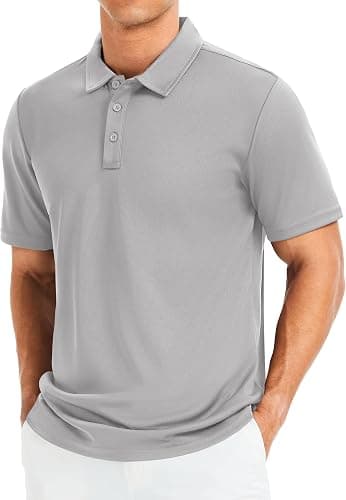
- A presentable base: an embroidered polo or soft-collar shirt in corporate colours, worn all day.
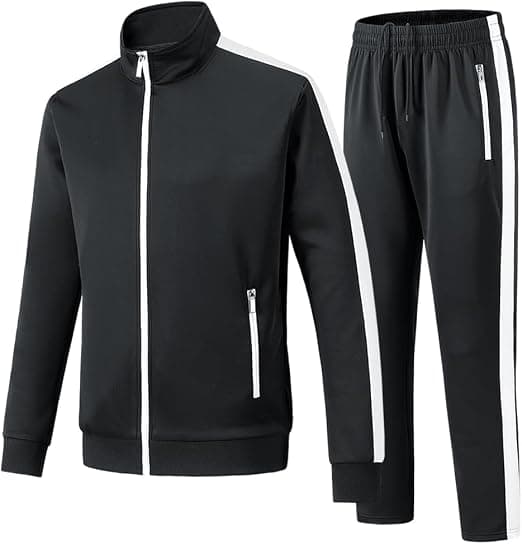
- A practical over-layer: hi-vis, coveralls or a hard-wearing softshell that goes on at the plant room door.
- One branded fleece or softshell per person, which is what most people actually see all winter.
- Consistent trousers, plain and hard-wearing, replaced far more often than the tops.
- Both layers branded, so an engineer is identifiable whichever one they happen to be wearing.
Colour-Coding Roles Across a Mixed Site
This is the FM-specific trick worth stealing. On a site running cleaning, security, engineering, catering and front of house under one contract, building users cannot tell who to ask about what, and they ask the wrong person constantly. Giving each function a different garment colour, with the same logo and the same layout, fixes that quietly. The logo stays constant so the fleet reads as one organisation. Only the colour changes. Occupants learn it within a fortnight without anyone explaining it.
Contracts Get Re-Tendered
FM is a contract business, and that has a real effect on uniform buying. Kit branded with a client's identity is only useful for as long as you hold that contract, and a large stockpile of client-branded garments becomes scrap the day it changes hands. Where the client permits it, branding with your own identity gives you portable kit. Where they insist on their branding, order in smaller, more frequent runs as a renewal approaches rather than building a year of stock you might not use.
“"Two layers beat one clever garment. The clever garment is never quite smart enough or quite tough enough, and it wears out first."”
Embroidery Reads as Uniform, Print Reads as Event
For anything customer-facing in a corporate building, embroidery is the right call. Stitched branding on a polo or softshell reads as permanent uniform, which is what an FM provider wants a client's staff to see, and it survives the washing frequency these roles demand. Fine detail and small text need simplifying to stitch cleanly, so send vector artwork. Screen printing is better value at volume for tees and hoodies used by mobile teams, and DTF handles a detailed multi-colour logo on shorter runs, including on polyester.
Sizing a Fleet You Never Meet
FM teams are large, dispersed across sites, and have real turnover, which makes sizing harder than in a small firm. Collect sizes properly once, keep the list, and hold a buffer of the most common sizes so a new starter can be kitted out on day one rather than waiting for the next order. Ordering everything in one run also keeps colours consistent across sites, which matters more than it sounds when two teams meet at a shared building.
Ordering FM Uniform
The minimum is 50 pieces per order with sizes mixed freely, which suits a single site team or a mobile squad, and bulk discounts reach up to around 35% as quantities rise for contract-wide orders. Production starts at artwork approval, not order placement, with embroidery and screen printing typically around 10 to 15 working days from approval and more complex jobs nearer 15 to 20, plus tracked delivery to the UK, USA, Europe and worldwide, with UK orders usually 2 to 5 working days after dispatch. Set the layout up in the free Design Studio and check live pricing in the instant calculator.