Custom Apparel for Electrical Contractors: Site and Domestic
By The Velocity Wear Team
Need this made?Get pricing for this product— free, no obligation, 50 pieces minimum.
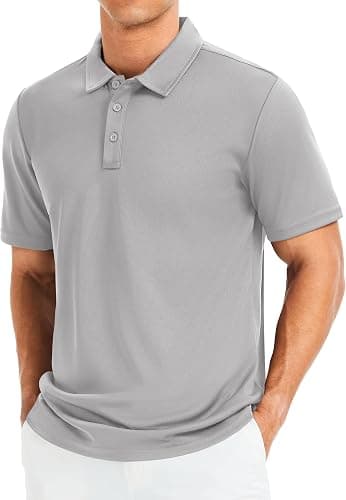
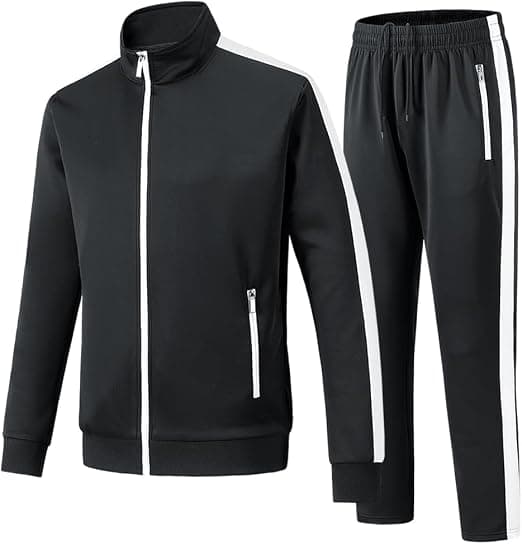
Electrical contractors usually need two separate kit lists, not one. Domestic and small commercial teams need a smart branded polo and soft-shell for working in people's homes. Site-based teams need hi-vis, site-compliant layers and, where the work demands it, flame-resistant or arc-rated garments, which have their own decoration rules that standard branding will break.
Two Halves of the Same Trade, Two Different Orders
A domestic sparks doing consumer unit changes and rewires is in a customer's living room, judged on tidiness. A commercial team on a new-build is judged by a principal contractor on whether the crew looks compliant and organised. Those are different garments and different priorities, and firms doing both keep making the mistake of buying one kit for everyone.
Buy them as separate lines on the same order. You still reach the quantity that gets you the better price band, and each half of the business gets clothing that actually suits the work.
FR and Arc-Rated Garments Cannot Be Branded Normally
This is the point worth the whole article. Flame-resistant and arc-rated clothing is certified as a complete system, and the decoration is part of that system. Standard polyester embroidery thread melts. Standard vinyl and standard heat transfers are not flame resistant, and applying them puts a non-FR patch of material directly on top of the garment you bought precisely because of what it does under an arc.
Decorating FR clothing needs FR-compatible thread and FR-rated transfer materials, applied in the areas and at the sizes the garment manufacturer permits. Some manufacturers publish that guidance, some require decoration to go through approved routes, and some will not sanction it at all. Ask the manufacturer before you order, and tell your decorator the garment is FR rather than assuming they will spot it. A logo is not worth the certification.
Site Rules Will Constrain Your Choices
Principal contractors set their own site standards, and those often go beyond the legal minimum. Long sleeves at all times, a specified hi-vis class, sometimes restrictions on hoods or loose layers around plant.
Find out before you buy, not after. There is nothing more wasteful than forty branded short-sleeve polos for a crew that will spend eighteen months on a site requiring long sleeves. If you work across several main contractors, buy to the strictest of their requirements and the kit works everywhere.
- Domestic team: branded polo, soft-shell, tidy and customer-facing.
- Site team: hi-vis to the class the site specifies, long sleeves if required.
- FR or arc-rated garments: FR-compatible decoration only, per the manufacturer.
- Confirm scheme logo rules before adding a registration mark.
- Order for the September apprentice intake in advance, not the week before.
Hi-Vis Branding Without Breaking It
Certified hi-vis depends on minimum areas of fluorescent background and correctly positioned retroreflective tape. Decoration must not print over the tape, must not eat significantly into the background area, and must not involve heat application the manufacturer has not sanctioned.
In practice that means a chest logo and a company name across the upper back, placed above or between the bands. It is more than enough visibility, and it keeps the garment doing what it was certified to do. Proportionate branding on PPE is a professional signal in itself.
“"There are two kinds of workwear decisions on an electrical job: the ones about how you look, and the ones about what happens on a bad day. Do not confuse them."”
The Domestic Half Is a Trust Purchase
For rewires, EV charger installs and consumer unit work, the customer is letting someone into the house to do something they cannot assess. Branded clothing plus a van plus visible ID does the same job for electricians it does for plumbers: it makes the company the customer found online physically present at the door.
Keep it simple. A dark embroidered polo, a soft-shell for winter, and clean trousers. Overhead branding on the back of a polo does not help in a hallway. The chest logo is the one the customer reads.
Apprentice Intake Is Your Real Buying Date
Here is a scheduling detail most contractors handle badly. Apprentices arrive in a cluster, typically around September when college terms start, and they arrive with nothing. If you order in the first week of term, they spend a month on site in their own hoodies.
Order in July or August. Guess the sizes generously and keep the spares in stock, because unnamed kit gets reissued to the next intake. Production starts at artwork approval rather than at order placement, so approve the proof early and allow around 10-15 working days from approval for embroidery.
How Much Kit Per Person Is Realistic
Electricians are harder on clothing than office-based trades and gentler on it than scaffolders. Dust, mastic, cable pulling and loft insulation are the main enemies, and none of them are as destructive as galvanised steel.
Four to five polos, two sweatshirts and one good outer layer per person covers a year comfortably. For a firm of five that comfortably clears the fifty-piece minimum with sizes mixed freely, and buying it as one order rather than four keeps you in the better bulk band. Discounts reach up to around 40 percent as quantities rise, and there is no reason to leave that on the table by ordering piecemeal.