Driving Instructor Kit vs Fleet Uniform: Different Problems
By The Velocity Wear Team
Need this made?Get pricing for this product— free, no obligation, 50 pieces minimum.
Driving instructors and vehicle fleets look like the same market and buy in completely opposite ways. An instructor is usually a sole trader ordering once every few years for one person, seen mostly while seated behind a seatbelt. A fleet orders centrally for dozens of people, needs names and roles, and reorders continuously as staff change. Velocity Wear serves both online from a 50-piece minimum per order, which changes what each one should sensibly buy.
The Seatbelt Problem Nobody Designs Around
A driving instructor spends nearly the whole working day seated with a belt running diagonally from one shoulder across the chest to the opposite hip. That is precisely where the standard left-chest logo lives. For a pupil in the passenger seat, the belt either covers the mark or cuts through it, and the mark sits at an awkward angle anyway. The fix is simple once you see it: put the branding on the opposite chest, on the sleeve, or across the upper back where it is visible when you get out of the car. The sleeve is the strongest option, because a pupil looking towards the gearstick or the handbrake sees the instructor's forearm constantly.
One Instructor, Fifty Garments
A minimum of 50 pieces per order sounds impossible for a business with one employee. In practice it is a multi-year supply, and instructors get through more kit than they expect, because a polo worn six days a week in a car in summer does not stay presentable for long. Split the run across several garment types and you have a working wardrobe rather than a stack of identical shirts.
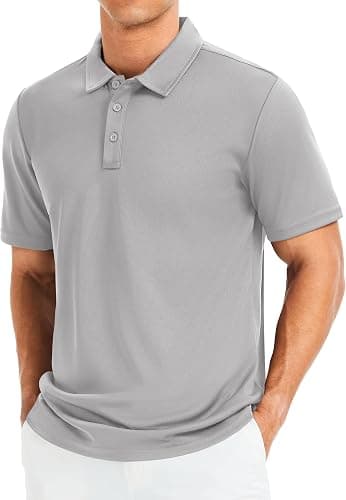
- Polos in the highest quantity, because they are worn most and wear out first.
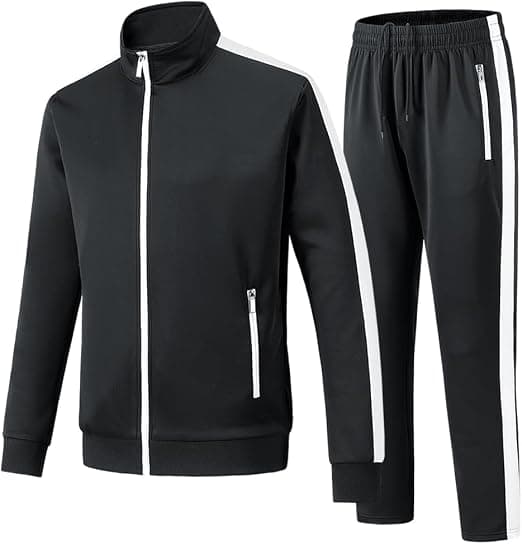
- A softshell or thin zip layer for winter. Bulky hoodies are miserable to drive in and restrict shoulder movement at the wheel.
- A couple of caps, useful for waiting outside a test centre in July.
- A lightweight rain layer, since you are standing in car parks in all weathers.
- One or two spares held back unworn, so the kit you appear in still looks new in year three.
Independents Can Order Together
Instructors working under the same local banner, or a group who trained together, can combine into a single order and each take their share. Sizes are mixed freely within the run, so it does not need to be a uniform group in any sense other than the artwork. Franchise networks handle this centrally already, which is one reason franchised instructors often have better kit than independents. There is no reason an informal group cannot do the same thing.
Fleets Are an Administrative Problem, Not a Design One
For a fleet of drivers, engineers or mobile technicians, the hard part is not choosing a polo. It is running a system where a new starter gets correctly sized, correctly named kit within days, and where the garment they receive in year three matches the one issued in year one. That means recording garment codes, thread or ink colours, logo dimensions and placement measurements, then reordering to that exact spec rather than approximating it each time.
Names, Roles and Personalisation at Scale
Vinyl or heat transfer personalisation is the practical route for individual names and roles, because it handles per-item variation without a separate setup for every name. Embroidery is the better choice for the core logo on fleet kit, since it survives frequent washing and reads as established. A sensible fleet spec has an embroidered logo that never changes and vinyl personalisation that does, which lets you reorder base stock in bulk and personalise from it as people join.
“"Half the logos on driving instructor polos have never been seen by a single pupil, because a seatbelt has been lying across them for years."”
Visibility, Roadside Work and What Is Actually Required
Fleet staff who work at the roadside, in yards or around moving vehicles fall under high-visibility and PPE expectations that are a safety matter rather than a branding one. The Health and Safety Executive publishes the current guidance, and any hi-vis garment specification should follow that first and carry your logo second. Branding a hi-vis vest is straightforward, but the garment must still meet the requirement it was bought for.
Placing the Order
Both buyers benefit from consolidating. An instructor gets several years of kit and a better rate in one go, and a fleet gets deeper into the bulk discount range, which reaches up to around 35% as quantities rise. Production starts at artwork approval rather than order placement, with embroidery running around 10-15 working days from approval as qualitative guidance and UK tracked delivery typically 2-5 working days after dispatch. The free Design Studio lets you check how a mark sits on a sleeve or an upper back before committing, which is worth doing given how differently those placements read.