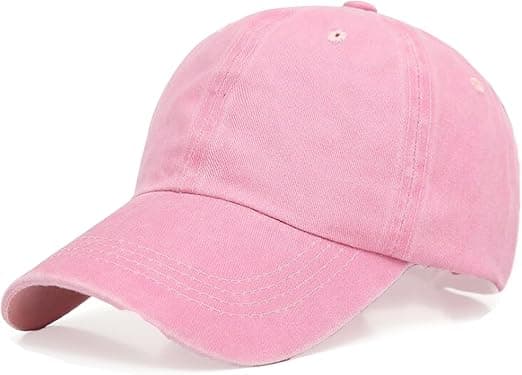
Custom Apparel for Drama Groups and Theatres
By The Velocity Wear Team
Need this made?Get pricing for this product— free, no obligation, 50 pieces minimum.
A theatre or drama group orders apparel for two completely different audiences. Crew kit has to identify the team without being visible from the auditorium, which rules out bright prints, glossy vinyl and anything metallic. Foyer merchandise has the opposite brief: it needs to be noticed in a dim interval crowd and bought in the ninety seconds people spend queueing.
Crew Blacks Are a Technical Requirement
Backstage crew wear black because they need to disappear against black masking, in low light, sometimes in full view of the audience during a scene change. That is not a style choice, it is part of the design of the show. It also means a normal branded crew tee is actively unhelpful, because a white logo across the chest is a bright rectangle floating in the wings.
The fix is tonal decoration. A black-on-black screen print or a black-thread embroidery on a black garment gives you a legible logo in the green room and near-invisibility under stage light. Keep the finish matte. Gloss vinyl, metallic inks and reflective effects all catch a spot or a follow, and a shoulder that flashes during a blackout is precisely what a technical director does not want.
Placement matters too. Put crew identification on the back or on a sleeve rather than the chest, since the chest is what faces the audience when someone steps out to strike a set piece. It is a small change and it makes the difference between a crew shirt that gets worn and one that lives in a locker.
Cast, Crew and Front of House Need Different Kit
Three groups, three jobs. Crew need matte black and identification that faces away from the audience. Front of house need the opposite: they should be spotted instantly by someone who cannot find their seat, so a coloured polo with clear embroidery works far better than a black shirt with a small logo. Cast kit is usually a keepsake rather than a working garment, so it can carry the show artwork properly.
- Crew: black tee and black hoodie, tonal print or black-thread embroidery, matte finish only, identification on the back or sleeve.
- Front of house and ushers: coloured polo with embroidered company logo, chosen so it reads at a distance in low light.
- Cast: show-specific tee or hoodie with the production artwork, ordered once and kept forever.
- Technical and get-in: a heavier garment or a softshell, because get-ins happen in cold loading bays at seven in the morning.
- Foyer merchandise: the show design on a garment people will wear again, not just on the night.
Merchandise and the Length of the Run
Show merchandise sells during the run and then stops, which puts real pressure on the quantity decision. Production begins at artwork approval and takes working days, not hours, so there is no realistic way to top up mid-run for a show that plays for a week. You commit before opening night or you do not sell.
One way to reduce that risk is to split the merchandise between show-specific and company-branded designs. The show tee is tied to one production and dies with it. A company-branded hoodie sells at every production you stage for the next several years, which means unsold stock is not waste, just inventory. Most groups are better off with a modest show run and a steady company line behind it.
The Setup Cost Trap for Small Companies
Here is something that catches amateur companies constantly. Our minimum is 50 pieces per order with sizes mixed freely, so a group can easily hit it by combining crew shirts and merchandise into one order. But screen printing charges setup per colour, and each separate design carries its own setup. Two different designs of twenty-five pieces each therefore costs more than one design of fifty, even though the order total is identical.
If budget is tight, the practical answer is to reduce the number of distinct designs rather than the number of garments, or to use DTF for the small full-colour run, since it carries no per-colour setup and suits short runs of detailed artwork. Model both in the free instant price calculator before you decide.
“"Backstage, good branding is the branding nobody can see. In the foyer, it is the only thing anybody looks at."”
Designing Artwork That Reads in a Dim Foyer
Poster artwork rarely transfers straight onto a garment. Posters are seen flat, lit, from a couple of metres away, and they usually have a title, a date, a venue and a cast credit on them. A tee seen across a crowded interval bar has about two seconds. Strip the design back to the show title and one strong image, drop the venue and dates, and check it still works at the size it will actually be printed. DTF handles full-colour poster imagery well on short runs, so complexity is not the constraint. Legibility is.
Ordering Around the Rehearsal Calendar
The bottleneck is almost never printing, it is getting the artwork agreed by a committee during a rehearsal period. Production starts at artwork approval, running around 10 to 15 working days for screen printing and embroidery and nearer 15 to 20 for more complex jobs, with UK delivery typically 2 to 5 working days after dispatch on a tracked service. Set an internal artwork deadline several weeks before you need the kit, and treat it as immovable. You can lay out and preview the whole thing in the free Design Studio, so there is no reason for a sign-off meeting to be theoretical.