Courier Workwear: Hi-Vis, Doorsteps and Doorbell Cameras
By The Velocity Wear Team
Need this made?Get pricing for this product— free, no obligation, 50 pieces minimum.
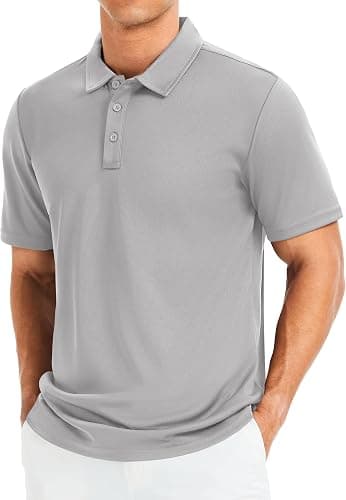
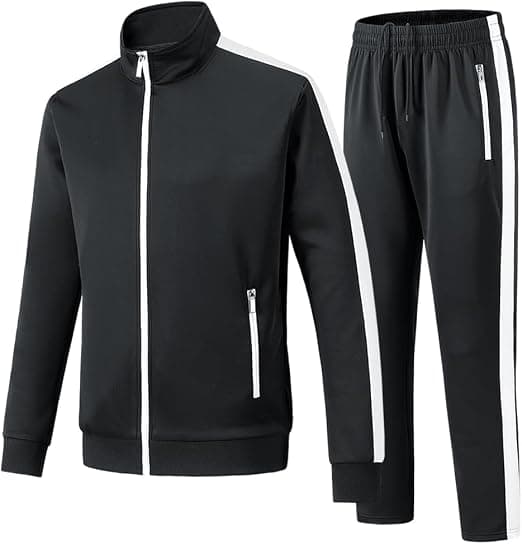
Courier workwear is an identification problem before it is a comfort problem. A householder has about three seconds to decide whether you are legitimate, and increasingly they are making that decision through a doorbell camera before the door opens. That argues for large, high-contrast branding on the chest, shoulders and cap rather than a small embroidered logo. Velocity Wear supplies branded courier kit online from a 50-piece minimum with sizes mixed freely.
The Doorstep Is a Three-Second Test
Whoever opens the door is running a quick check: does this person look like they belong to a delivery company. Matching kit passes that test instantly. A driver in an unbranded coat and their own hoodie does not, no matter how efficient they are. For firms doing anything sensitive, from prescriptions to high-value goods, that reassurance is not a nicety, it is part of what the client is buying.
Doorbell Cameras Are Terrible Cameras
Here is the part almost nobody specifies for. A video doorbell is a fisheye lens, usually mounted at chest height, often pointing into daylight so that anyone standing at the door is backlit and dark. The image is compressed and frequently viewed on a phone screen. Under those conditions a 70mm embroidered chest logo is an unreadable blur, while a large, plain, high-contrast name across the upper chest or on the cap crown survives the whole chain.
- Go large and plain: the trading name in a heavy sans-serif beats a detailed logo every time.
- Maximise contrast: dark text on light or light on dark, never mid-tone on mid-tone.
- Use the cap crown and the upper chest, both of which sit in a doorbell camera's field of view.
- Repeat the mark on the back, for the neighbour and the camera opposite.
- Test it by photographing a garment on a phone from two metres in poor light, then looking at it small.
Hi-Vis Is Part of the Uniform, Not an Extra
Drivers work at kerbsides, in yards, around reversing vehicles and in depots with their own rules. Hi-vis belongs in the core specification rather than as an add-on. Decoration must stay off the reflective tape and within the plain panels, and the garment manufacturer sets out what may be applied to their garment, so follow that. Depot and client site rules vary, so confirm requirements with each before ordering a fleet.
In and Out of a Warm Van Ninety Times a Day
Multi-drop is a thermal nightmare. The cab is warm, the street is not, and you are moving constantly. A heavy coat gets taken off by nine and stays off, so the branding disappears with it. The better structure is a light branded base garment worn all day, plus a hi-vis or softshell over it, which means the identifying layer is whatever happens to be on top at the time. Branding both layers avoids a driver becoming anonymous the moment they shed one.
“"If your driver's logo cannot be read on a phone screen from a doorbell camera, it might as well not be there."”
Cycle and Cargo-Bike Couriers Need a Different Spec
Bike couriers generate a lot of heat and stop moving at every drop, so cotton is the wrong call: it wets out with sweat and then chills you at the door. Poly-rich, quick-drying fabric works far better, which also opens up sublimation for polyester tops on light bases, where the print sits in the fabric with no surface layer to crack. A rucksack strap will destroy a chest print over time, so plan placement around where the straps actually sit.
Self-Employed Drivers and What They Will Actually Wear
A large share of multi-drop work is done by self-employed drivers who own their own clothing. Handing out a thin promotional t-shirt achieves nothing, because it stays in the footwell. Supplying one decent branded softshell or hi-vis that is genuinely better than what they already own gets worn every day. It is a smaller order, spent better.
Ordering Courier Kit
The minimum is 50 pieces per order with sizes mixed freely, which suits a small courier firm kitting out drivers across several vans. Bulk discounts reach up to around 35% as quantities rise. Production begins at artwork approval: screen printing and embroidery typically around 10 to 15 working days from then, sublimation and more complex jobs nearer 15 to 20, followed by tracked delivery to the UK, USA, Europe and worldwide, with UK orders usually 2 to 5 working days after dispatch. Preview placement and scale in the free Design Studio before you commit.