Charity Shop Volunteer Kit: Sizes That Fit Whoever Turns Up
By The Velocity Wear Team
Need this made?Get pricing for this product— free, no obligation, 50 pieces minimum.
Charity shop kit should be bought by role and size spread, never by name. Volunteers arrive and leave constantly, sizes vary far more widely than in a paid retail team, and a garment embroidered with someone's name is waste the week they stop coming. Velocity Wear supplies branded volunteer kit online from a 50-piece minimum per order with sizes mixed freely, which is what makes a genuine full-range order possible for a single shop.
Why Named Kit Fails in a Volunteer Shop
A paid retail team is stable enough that personalised uniform makes sense. A charity shop is not. People volunteer for a season, around a job, around caring responsibilities, or as part of a placement, and the rota rarely looks the same two months running. Every named garment is a bet that a specific person will still be there, and the odds are poor. Role-based kit removes the bet entirely: a garment goes back on the peg at the end of a shift and fits the next person who needs it.
Size Range Is the Real Constraint
This is the practical difference between a volunteer team and a hired one. You do not choose who volunteers, so your size range has to stretch from XS to 4XL and beyond, across a very wide age range, with no way to predict the distribution in advance. Buying two sizes and hoping is the fastest way to have half your team not wearing the uniform at all, which is worse than having no uniform.
This is exactly where a 50-piece minimum with sizes mixed freely earns its keep. It is not 50 per size. One order of 50 can span the whole range with more of the middle sizes and a couple at each extreme, and that is a workable stock for a shop with a rotating team of a dozen.
- Weight the order to the middle sizes, but never order zero of the extremes.
- Buy a few more than your current headcount so a new volunteer can start in uniform on day one.
- Keep kit on the peg in the shop rather than issuing it to individuals to take home.
- Use a role word rather than a name, so any garment fits any shift.
- Order a tougher second tier for sorting and stockroom work, which is dusty and physical.
The Tabard Question, Answered Honestly
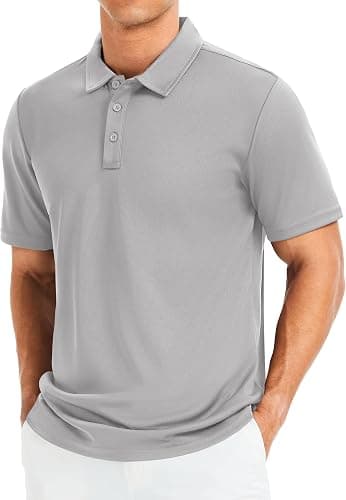
Plenty of suppliers will steer you towards polos because they are a better sale. A branded tabard worn over a volunteer's own clothes is often the better answer, and it is worth saying so. It fits almost anybody, so your size problem largely disappears. It goes on and off in seconds, which suits a two-hour shift. It costs less, so you can afford more of them. And it is unambiguously a uniform item rather than clothing, which some volunteers prefer.
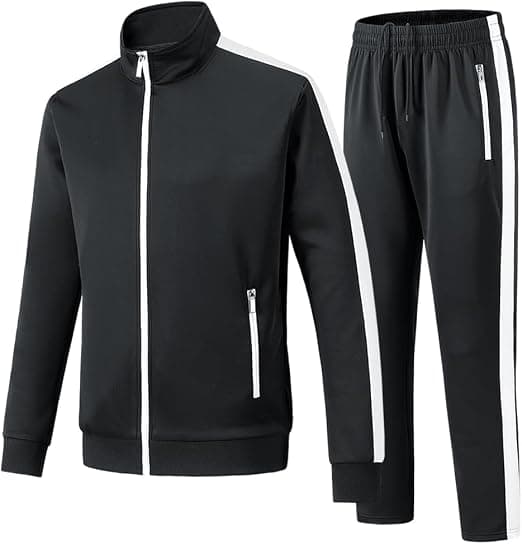
The trade-off is that a tabard looks less polished than a matched team in polos, and it does nothing for warmth in a cold shop in January. A reasonable hybrid is tabards for the shop floor and a small run of branded sweatshirts or polos for the manager and regular volunteers, ordered together to keep the run size up.
Front of Shop and Back of Shop Are Different Jobs
Sorting donations is dusty, heavy and occasionally unpleasant. Steaming, pricing and hauling bags is not the same work as serving on a till. If the same garment covers both, it will look tired quickly and the shop floor will suffer for it. A darker, more robust garment reserved for the stockroom protects the presentable tier, and it costs almost nothing extra when it goes into the same order.
“"Print the role, not the person. Volunteers move on, and the kit should stay behind on the peg."”
Brand Rules for a Registered Charity
If your shop is part of a national charity, you almost certainly have a brand toolkit specifying the logo, the colours and how the name may be presented, and shop-level improvisation is usually not permitted. Get the approved artwork from your central team before you brief a supplier, in vector form if possible, because a logo lifted from a website will not stitch or print cleanly at any useful size. Independent shops have more freedom, but the same rule about vector artwork applies.
One genuinely useful line to include: the word "Volunteer" on the back does recruitment work all day, in front of exactly the audience you want. A shopper who sees it while browsing is a shopper who might ask how to sign up.
Ordering on a Shop-Level Budget
Embroidery lasts longest and looks the most established, and it suits polos and sweatshirts well, though fine detail and small text need simplifying before stitching. Screen printing is the cheapest option at volume for a bold single-colour design, with setup charged per colour. DTF handles a detailed multi-colour charity logo on a smaller run with no per-colour setup, which fits most single shops. If your charity runs several branches, combining the order across shops is the biggest lever available, because bulk discounts reach up to around 35% as quantities rise and one artwork approval covers everything.
Production starts at artwork approval rather than order placement, and as guidance embroidery and screen printing take around 10 to 15 working days from approval, plus 2 to 5 working days for UK tracked delivery. The free Design Studio lets you preview the logo on the garment before committing, and the instant price calculator shows how much the cost per piece drops when two or three shops order together.