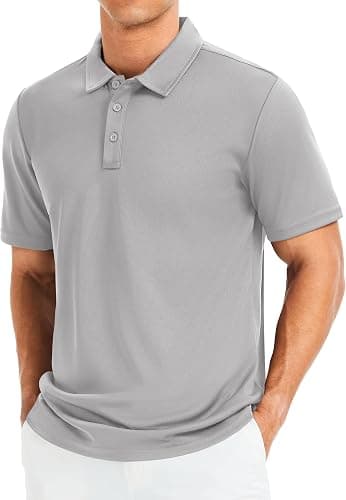
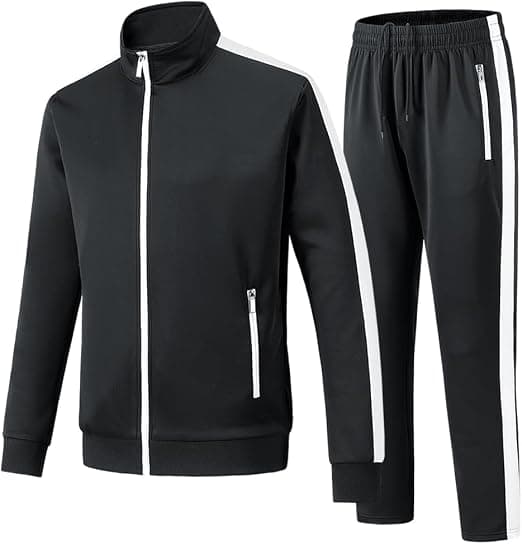
Custom Apparel for Butchers and Delis
By The Velocity Wear Team
Need this made?Get pricing for this product— free, no obligation, 50 pieces minimum.
Butcher and deli kit has to survive a hot wash, resist heavy staining, and shed no loose fibres near open food. In practice that means embroidered logos on smooth, close woven garments, and no plastic transfers that could lift. The detail most shops get wrong is placement, because chainmail sits exactly where a chest logo usually goes.
Why Kit on the Block Wears Out in Months
A butcher's garment takes three kinds of punishment an office polo never sees. It is washed hot and often, sometimes daily. It carries fat and blood that need a proper detergent and temperature to shift. And it is abraded constantly by the counter edge, by carcass handling and by protective equipment worn over the top. A garment that lasts three years behind a bar might last one season on the block.
So the honest starting point is that this is consumable kit, not a wardrobe investment. Buy a mid weight, hard wearing blank in a colour you can reorder, and accept that a proportion of it gets replaced every year.
The Chainmail Nobody Designs Around
Mesh aprons and mesh gloves are standard on the block, and they are brutal on whatever is underneath. The apron bib sits across the centre chest and the strap crosses the shoulder and back. Put an embroidered logo at standard left chest height and it spends the day being scoured by steel rings. Stitches abrade, the edge of the design frays, and within months the logo looks older than the garment it sits on.
Move it. A logo on the upper sleeve, on the collar stand, or high on the yoke above the bib line stays clear of the mesh on most builds. Better still, put the shop name on the apron itself, since that is the layer the customer sees anyway. If you do want a chest logo, hold a mesh apron against the garment before approving placement rather than judging it from a flat mockup.
Hot Washing and What It Does to a Surface Print
Printed logos sit on top of the fabric as a layer. Repeated hot washing and tumbling attacks the edges of that layer first, which is why old printed workwear tends to fail as lifting corners rather than gentle fading. In a food handling environment a lifting fragment is not merely cosmetic, it is loose material near open product. Embroidery has nothing to lift because the design is stitched through the cloth, which is why it is effectively the default in this trade.
Polyester embroidery thread also holds colour through hot washes better than most people expect, so a stitched logo stays consistent across garments bought at different times. If you need a full colour image embroidery cannot reproduce, put it on something that never goes near the counter.
White Shows Everything, and That Is the Argument For It
The instinct is to choose dark colours because they hide marks. In a food shop that instinct works against you. Customers are watching across a counter, and a dark garment that hides a stain also hides the evidence that it is clean. White, or the traditional blue and white stripe, shows every mark honestly, so a fresh garment reads as genuinely fresh and a marked one gets changed. That signal beats any amount of branding.
It does mean carrying more stock so people can change mid shift. Beetroot, black pudding, chorizo oil and blood all mark differently and not all of them come out. For current requirements on food handling clothing, check Food Standards Agency and GOV.UK guidance.
The Deli Counter Is a Shop, Not a Kitchen
If you run a deli alongside the butchery, the two counters do different jobs. The block is production. The deli is retail, with more browsing and more time spent face on to a customer. A structured polo or a short apron over a plain shirt reads better there than a full butcher's coat, and it tells customers which counter someone belongs to.
- Keep the wash requirement identical across both counters so everything goes through one cycle.
- Use one colour for the block and a second for the deli, rather than two entirely different garment styles.
- Put the shop name on aprons, which fit anyone and rotate between staff without sizing problems.
- Avoid fleece, brushed backs and towelling anywhere near open product, because they shed fibres.
- Order a deep spread of the middle sizes and a few at each end, since sizes mix freely inside a single run.
Cold Rooms Without the Fibre Problem
Staff in and out of a chill or freezer need a warm layer, and the obvious choice is the wrong one. Fleece sheds. So does anything with a brushed inner face. A smooth faced bonded softshell or a close woven cotton rich jacket gives insulation without loose fibres, and it takes embroidery cleanly. Keep it as a dedicated layer that comes off before handling open product.
Ordering So the Rack Still Matches Next Year
The practical failure in butchery kit is not the first order. It is the third, when someone reorders six coats from a different blank and the rack becomes two shades of white. Record the garment code, the colour name and the thread numbers, then reorder against that record. Minimum order is fifty pieces per order with sizes mixed freely, and discounts rise to around thirty five per cent, so one annual order across both counters beats four small ones. Production starts at artwork approval rather than order placement, and embroidery typically runs around ten to fifteen working days from there.
“"Steel mesh does not care what your logo cost. Design around where the apron sits, or watch it get sanded off."”