Bus and Coach Driver Uniform: Smart, Seated, Seen Through Glass
By The Velocity Wear Team
Need this made?Get pricing for this product— free, no obligation, 50 pieces minimum.
Bus and coach driver uniform has to look smart from a very specific angle: through a windscreen, past a cab screen, with a seatbelt across the chest and a ticket machine in the way. It also has to survive the parts of the job nobody photographs, like loading a coach boot in the rain. Velocity Wear supplies branded transport kit online from a 50-piece minimum per order, with sizes mixed freely, so a depot can cover several roles in one run.
The Cab Frames What Anyone Can See
A boarding passenger sees a driver from roughly the sternum up, through glass or a screen, at an angle, for a couple of seconds. That is the whole visible canvas. Anything below the belt line is invisible, and the lower half of a shirt front is folded into the driving position. The collar, the shoulders, the upper chest and the cap carry the entire impression, so they deserve the budget.
This is why the traditional operator look survived so long. A collared shirt with an epaulette and a collar stand with some body to it reads as authority from exactly that angle. A crew-neck sweatshirt does not, however good the fabric is.
Service, School and Tour Are Three Different Jobs
Plenty of operators run all three from one yard, and a single uniform spec rarely serves them. Local service work is a long seated shift with constant passenger contact and heavy washing. School contracts need identification a parent can recognise from a pavement. Tour and private hire is a hospitality job in everything but name, where the driver is the courier, the luggage handler and the face of a week's holiday.
Build a tier system rather than a compromise. A common base layer keeps the brand consistent and the order size up, with a smarter jacket or a heavier shirt issued only to the drivers who need it.
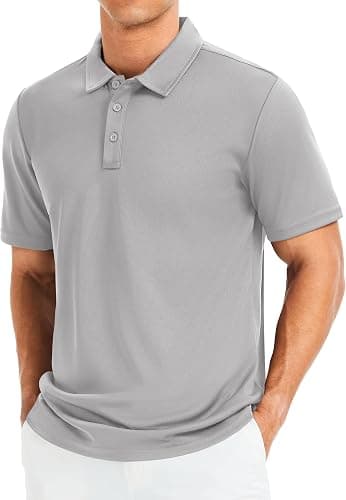
- Base tier: a poly-rich piqué polo for service and school work, several per driver, washed constantly.
- Smart tier: a woven shirt with epaulettes for tour, private hire and rail replacement work.
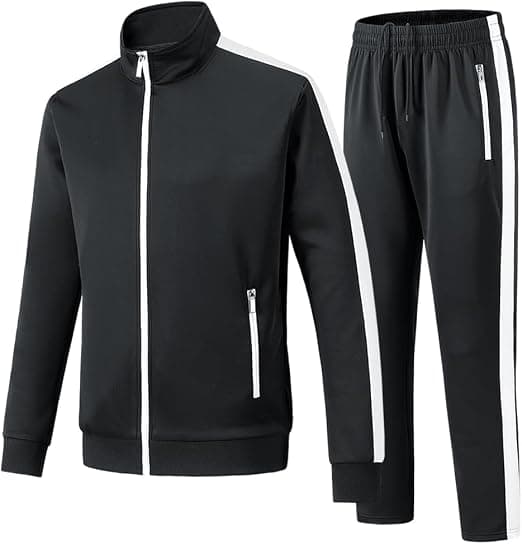
- Outer tier: a softshell or fleece for cab draughts, early starts and standing on a station forecourt.
- Hi-vis tier: for yard movements, breakdowns and roadside work, decorated only within the manufacturer's guidance and clear of reflective tape.
- Cap: optional, but it is the one item visible above a headrest and through a windscreen.
The Bit Nobody Specs For: Loading a Coach Boot
A tour driver kneels on tarmac, reaches deep into a luggage locker, and lifts cases for twenty minutes at each end of a day. That is what actually destroys uniform. Knees go first on trousers, cuffs go next, and the front of a light-coloured shirt collects everything the locker floor has to offer. Two consequences follow. Do not specify a pale shirt as your only tour garment, and give tour drivers something they are allowed to get dirty so they are not loading bags in the shirt they will greet passengers in.
Seatbelts, Ticket Machines and Where Not to Embroider
Everything a driver wears is crossed by a belt and interrupted by whatever equipment sits in the cab. A large chest print is a poor investment for that reason alone. Small left-chest embroidery, a collar mark, an epaulette slide or a sleeve badge all sit outside the busy zone. If you want the company name at size, put it high across the upper back, where it works on the walk from the depot to the stand and while a driver is helping at a boot.
“"Passengers judge an operator in the two seconds it takes to walk past the cab, and every one of those seconds happens above the seatbelt."”
Names, Roles and Driver Turnover
Named garments are tempting for a customer-facing tour fleet, and they do build rapport. They also become waste the moment a driver moves on, and transport has real turnover. A workable middle ground is role-based garments in a size spread, with names handled separately by vinyl on a small number of pieces or by a reusable badge. Vinyl is a per-item personalisation method, so a name is a small add-on rather than a whole separate production run.
Decoration That Survives Depot Washing
Driver kit gets washed constantly, often at home, often hot. Embroidery is the most durable option and the natural fit for shirts, polos, softshells and caps, though it needs fine detail and small text simplified before it will stitch cleanly. DTF gives you full colour with no per-colour setup and works on polyester, which suits smaller specialist runs like a heritage or tour livery. Screen printing is the cheapest route at real volume, with setup charged per colour, so a large single-colour depot order suits it well. Sublimation is polyester only and light bases only, which mostly rules it out for a navy operator palette.
Ordering for a Depot Rather Than a Driver
The 50-piece minimum applies per order and sizes mix freely, so a depot can buy polos in a full size range plus a handful of shirts and softshells in one go rather than placing three small orders. That matters twice over, because bulk discounts reach up to around 35% as quantities rise, and because one artwork approval covers the lot. Production starts at artwork approval, not order placement, so getting the proof signed off quickly is the biggest thing you control. As guidance, embroidery and screen printing typically run around 10 to 15 working days from approval, and UK tracked delivery usually adds 2 to 5 working days. Lay the design out in the free Design Studio first and check quantities against the instant price calculator before you commit.