Custom Apparel for Bakeries
By The Velocity Wear Team
Need this made?Get pricing for this product— free, no obligation, 50 pieces minimum.
Bakery kit has two problems most hospitality uniform advice ignores: flour makes dark garments look permanently unwashed, and oven side work makes fabric content a safety question rather than a comfort one. Get colour and fibre right and the rest is straightforward. Get them wrong and you are replacing kit within a season.
Flour Is a Colour Problem Before It Is a Cleaning One
Flour brushes off. That is not the issue. The issue is that it settles constantly, so a baker in navy or black is dusted white within twenty minutes of starting and stays that way all shift. To anyone standing at a counter, that reads as a garment nobody has washed, even though it came off the line that morning.
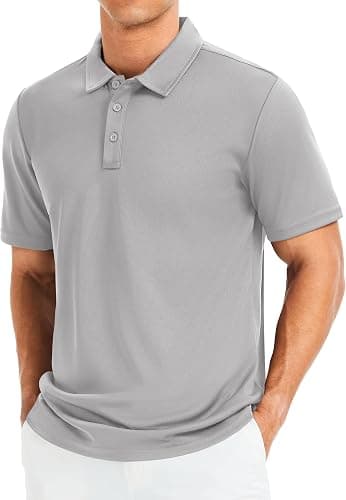
Mid greys, marl fabrics, oatmeal tones and traditional whites all absorb dust visually. A speckled or heathered cloth is especially forgiving because the eye reads the dust as part of the texture. If you love a dark brand colour, use it on the apron or in the logo thread rather than across the body of the garment.
Fabric Near an Oven Is Not a Style Decision
Polyester behaves badly around high heat and open flame. It melts rather than chars, and it does so against skin. Traditional chef wear is cotton or a cotton rich blend for exactly that reason, and it is why bakers producing at the deck oven should not be in a cheap all polyester polo. Cotton rich fabric is heavier, creases more and shrinks slightly on a hot wash. It is still the right call for oven side roles.
Counter staff who never go near the oven have more freedom, and a poly cotton blend there holds shape and colour better through repeated washing. Split the specification by role instead of buying one garment for everyone. For current workplace requirements on protective clothing, check HSE and GOV.UK guidance rather than assuming.
A Bakery Runs Two Businesses at Once
Production starts in the dark and finishes when the shop is busiest. Retail opens later and talks to customers all day. Those are different jobs with different kit, and the mistake is dressing both identically because it feels tidier. Production wants a durable, breathable, unfussy top and a heavy bib apron. The counter wants something that photographs well, carries a name, and looks deliberate under shop lighting.
- Give production a cotton rich short sleeve top plus a bib apron, with sleeves kept short or properly rolled near ovens.
- Give the counter a structured polo or a short apron over a plain shirt, in a related but distinguishable colour.
- Put the bakery name on aprons rather than garments, since aprons rotate between staff and hide the worst of the wear.
- Use vinyl for individual first names so a new starter can be added without a fresh print setup.
- Keep a spare set per person on site, because you cannot send someone home to change at six in the morning.
What Fat and Sugar Do to a Printed Logo
Butter, laminating fat and sugar glaze all need a hot wash and a decent detergent to shift, and that combination is what degrades a surface print fastest. Transfer and plastisol edges start to lift, and once a corner goes the rest follows. Embroidery avoids it entirely because nothing sits on top of the cloth to peel. For a bakery running kit through a hot cycle several times a week, stitched logos simply last longer.
There is one honest exception. If your branding is a detailed illustration with fine linework, embroidery will not reproduce it faithfully at chest size, and forcing it produces a muddy blob. Either simplify the mark for stitch, which is standard practice, or use the full artwork on tote bags and merchandise where the wash regime is gentler.
Headwear People Will Actually Wear
Hair covering is a requirement in production, and the version that works is the version staff put on without being asked twice. Disposable caps get resented. A branded skull cap, bandana or bakers' cap in washable cotton is worn willingly and looks like part of the uniform rather than a rule being enforced. Order plenty, because headwear is washed most often and lost most easily. Check current Food Standards Agency guidance for what applies in your setting.
Putting the Order Together
Most bakeries are small teams, so the easiest route to the fifty piece per order minimum is combining roles and items in one go: production tops, counter polos, aprons and caps together. Sizes mix freely within the run and discounts increase with quantity to around thirty five per cent. Use the free price calculator to watch the total move as you add pieces, and remember production begins at artwork approval, not when the order is placed.
“"Flour comes out of a black polo in one cycle. The impression it left on the customer in the queue does not."”