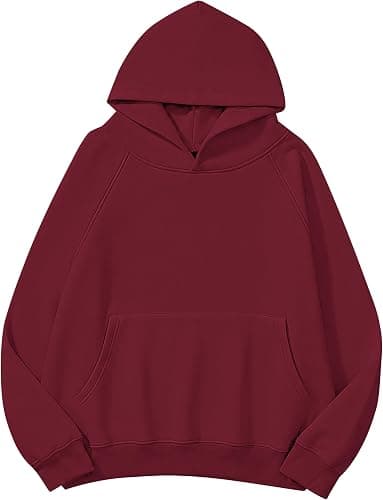
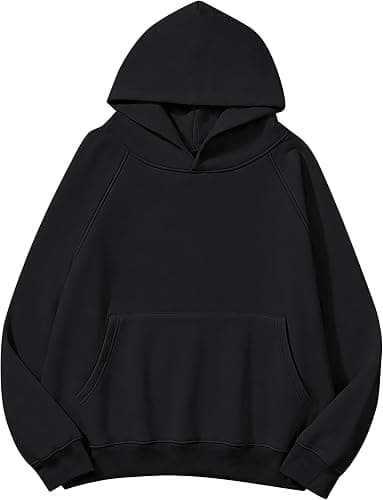
Can I Get the Same Hoodie in Different Colours?
By The Velocity Wear Team
Need this made?Get pricing for this product— free, no obligation, 50 pieces minimum.
Yes. You can order the same hoodie style split across several colours, and the 50-piece minimum applies to the order as a whole rather than to each colour. The catch is that identical artwork does not print identically on every base. Dark hoodies need a white underbase to stop the ink going dull, ink colours shift against the fabric behind them, and every colourway is worth confirming on its own proof rather than assuming the first one covers the rest.
How the Minimum Actually Works
The 50-piece minimum is per order, with sizes and colours mixed freely inside it. Twelve black, five heather grey and three burgundy is a perfectly valid run. What splitting does affect is stock. Colourways are held separately, and a niche shade in a large size is more likely to be short than a core colour, so it is worth checking availability across everything you want before you finalise the split.
Why Your Logo Changes Character on Different Bases
Ink is not fully opaque. Printed straight onto black, a mid-blue goes murky and loses contrast, because the fabric underneath shows through the ink film. On white it looks exactly as intended. On heather grey it lands somewhere between the two, and the flecked texture of the fabric softens fine detail as well. Same file, three noticeably different results.
The White Underbase, Explained Simply
To keep colours true on dark garments, printers lay down a white layer first and print the design on top of it. That gives the ink a neutral surface instead of black fabric. It works well, but it is another screen and another colour in screen printing, so a design costing three colours on white can cost four on black. It also produces a slightly heavier print with more presence on the fabric.
Dye Lots: Two Navies Are Not Always One Navy
Garments are dyed in batches, and batches vary slightly. Order forty navy hoodies today and twenty more in four months, and there is a fair chance the second batch is a shade off. It is normal rather than a fault, most visible in deep colours and heathers, and no supplier can promise otherwise. If exact consistency matters for a photo shoot or a team lineup, order the whole quantity in one run rather than topping up later.
Confirm Each Colourway Separately
Treat every base colour as its own approval. Ask specifically what the print will look like on the darkest and the lightest garments in the run, because those are where any difference shows. It takes minutes, and it beats discovering at delivery that the logo you approved on white has gone flat on charcoal. The free Design Studio lets you preview artwork on different garment colours well before you reach that stage.
Practical Choices That Reduce the Risk
A few decisions make a multi-colour run far more predictable.
- Keep the colour count low, since fewer bases means fewer variables to check.
- Use a one-colour version of the logo, in white or black, that works on every base.
- Group the colours by tone, so all darks or all lights, rather than spanning the whole range.
- Order the full quantity at once if the colours need to look consistent side by side.
- Ask about stock levels in the less common shades before committing to a split.
“"The safest logo for a multi-colour run is the one you can print in a single colour and still recognise instantly."”
Embroidery Handles Colour Splits More Easily
Thread sits on top of the fabric and is fully opaque, so an embroidered logo looks essentially the same on black as on grey. There is no underbase and no bleed-through to manage. The only thing to check is whether a thread colour in your logo disappears against a particular garment, a navy element on a navy hoodie for instance. Swapping that one thread for that colourway solves it.
When One Colour Is the Better Answer
If the run is small, sticking to a single base keeps setup simpler, the print more consistent and the sizing easier to manage. Splitting colours is genuinely useful for merch drops and for teams who want some personal choice. It is much less useful on a fifty-piece staff order, where three colourways mostly means three chances for something to look slightly off.