
What Cafes Pay for Branded Clothing
By The Velocity Wear Team
At the 50-piece minimum, staff tees start from $13 each, caps from $12, polo shirts from $18, corporate uniform pieces from $20 and hoodies from $31. Those are per-piece figures before the volume discount, which reaches up to 35 percent as quantity rises. A small coffee shop kitting out a team usually lands between the tee and the polo, depending on how formal the counter feels.
What does a cafe pay per piece?
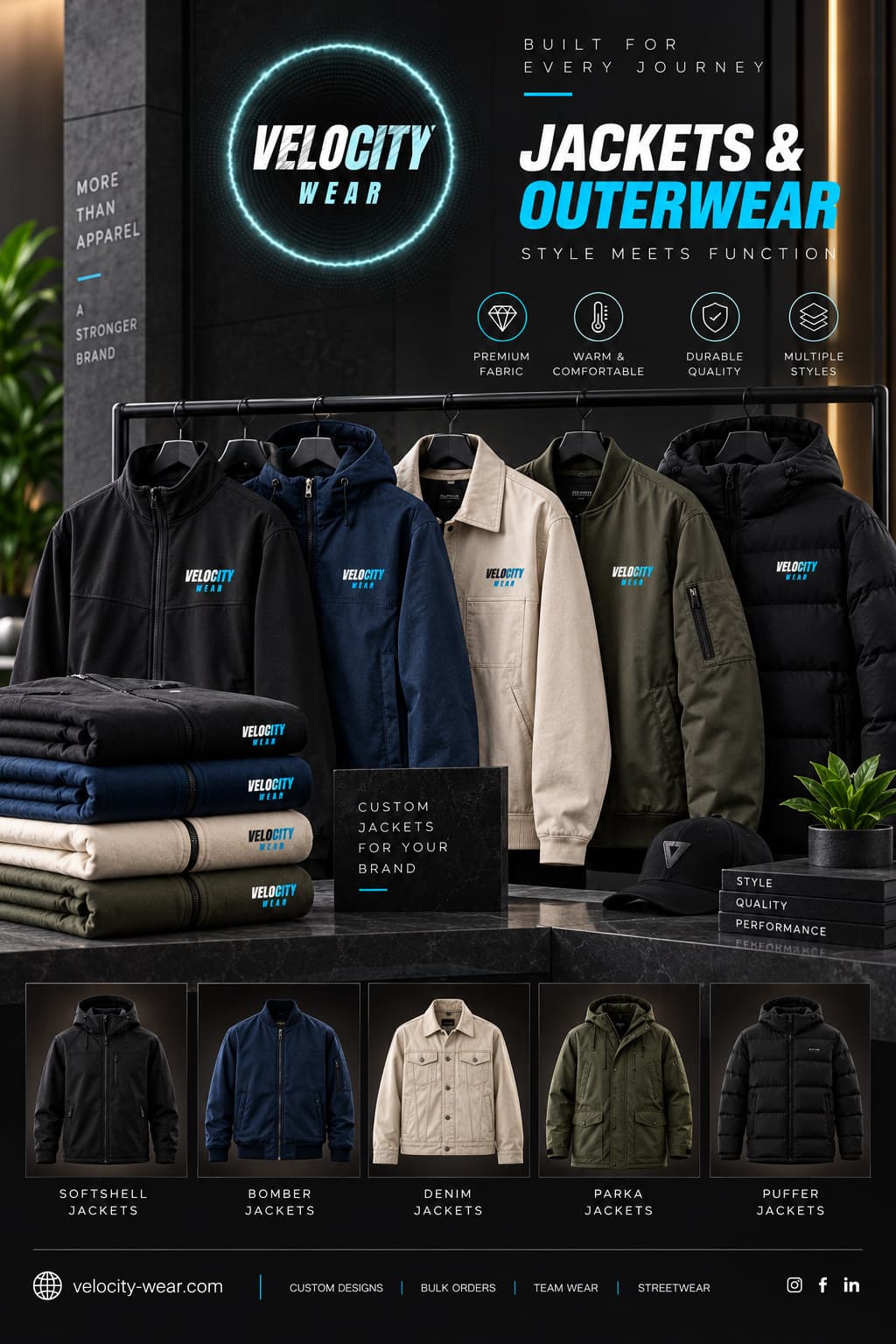
Pick the garment first and the price follows it. A tee at $13 is the workhorse for a fast counter where kit gets washed daily and replaced yearly. A polo at $18 buys a collar, which changes how the room reads without changing the workload. A hoodie at $31 covers early openers and outdoor seating in winter. Aprons and outerwear sit outside the published from-price list and are confirmed on a quotation, as are jackets, which are priced per job rather than from a headline figure. The hospitality pages show the products most cafes start with.
How far does the price move as quantity rises?
The discount is measured from the 50-piece price and steps at five points: 50 to 99, 100 to 249, 250 to 499, 500 to 999, and 1,000 or more. Up to 35 percent comes off at the top of that scale. For a single site that is mostly academic, because one cafe rarely needs 250 tees. For a group of four or five, ordering once a year across all sites instead of separately per site is the single biggest lever on the per-piece figure, and it costs nothing but coordination.
Which costs sit outside the per-piece figure?
Three things. The £150 sample, if you take one, which is credited back against the bulk order. Delivery to your address, which depends on where you are in the UK, the USA or Europe. And the currency you are invoiced in, since we bill in seven and the rate on the day does more to a small order than most negotiations do. Working out the true figure rather than the quoted one is the subject of our piece on what custom clothing really costs.
How should a small team budget the first order?
Budget for 50 pieces even if you have eight staff, because that is the minimum per design and the extra pieces are not waste. They are next year spare stock, they are the shirts you hand a new starter on day one, and they are the pieces you sell over the counter if customers ask, which in a coffee shop they often do. Price the whole 50 as a single line, divide by the number of people it will actually dress over two years, and the figure stops looking like a uniform bill. If you are weighing a heavier garment, the arithmetic behind hoodie pricing applies here too.
One more practical note. Decoration method changes the look but not the headline price band, so choosing embroidery over a screen print for a counter polo is a judgement about finish and durability, not about budget. Compare the options across the full product range before you fix the number.
Cost per wear is the figure that makes a small order defensible to whoever signs it off. A $13 tee worn twice a week for a year works out at roughly twelve cents a shift, which is less than the cup somebody breaks in month two. A $31 hoodie worn through a winter lands at a similar sum spread across fewer, colder days. Framing the order that way usually ends the argument about whether branded kit is worth buying, because the alternative is a team in their own clothes and a counter that looks different every day of the week.
Set the budget in the currency you will be invoiced in, then check the figure again once the quantity is fixed. Quantity is the only variable that moves the per-piece price, so a decision to order 100 rather than 50 is worth pricing properly before anybody signs it off.

