Minimum Orders Explained for Agencies
By The Velocity Wear Team
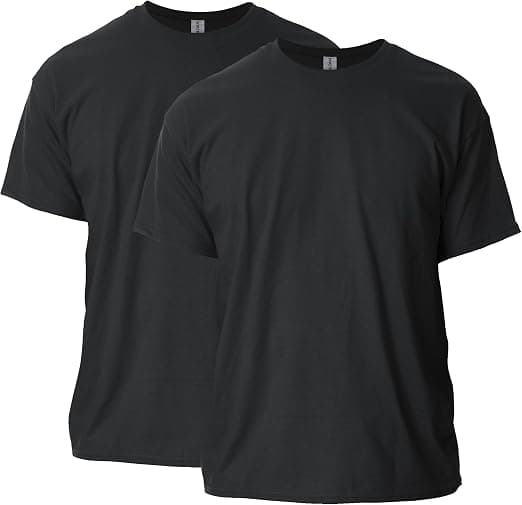
Every design in a campaign commits to 50 pieces. Sizes within that 50 are free to split however the recipient list falls, so an agency never has to guess an even spread. The constraint bites on variants: a second colourway needing its own screens, or the same lockup on a different garment, is another 50 rather than part of the first.
How many pieces does a campaign actually have to commit to?
Fifty per design, and the arithmetic is worth doing at brief stage rather than at quote stage. A campaign described as a hoodie and a tee in two colourways is potentially four runs, which is 200 pieces, which is a different budget from the one in the deck. Count designs before you count people.
The good news is that the 50 is genuinely flexible inside itself. A launch kit for 42 named recipients plus eight spares is one order, not a rounding problem. The corporate page covers how business orders are set up, and the wholesale catalogue shows which garments carry published from-prices.
Does a two-colourway concept need 100 pieces?
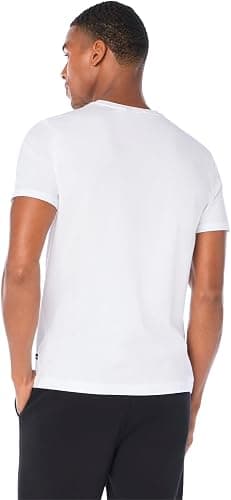
If each colourway needs its own set-up, yes. This is the detail that most often breaks an agency budget late, because a black and a white version read as one creative idea and are two production runs. Raise it with the creative team while the route is still open rather than after the client has approved the deck.
There is sometimes a way through. A single-colour mark that works on both bodies, or a decoration method less tied to screens, can keep a two-tone idea inside one run. Ask before committing the concept. Minimum order quantities explained for wholesale clothing sets out how the counting works in detail.
How do agencies use 50 pieces well?
By treating the surplus as a resource rather than waste. A campaign for 30 influencers still produces 50, and the other 20 have obvious homes: the client team, the pitch cupboard, a second wave, photography, or replacements for the pieces that go missing in transit. Build those into the plan and the minimum stops feeling like an overage.
It also changes the shape of the creative. One design at 200 pieces is cheaper per piece than four designs at 50, and it concentrates recognition rather than splitting it. What a 50-piece minimum actually changes for a new brand covers the thinking from the buyer side.
What if the client only wants a handful?
Then the honest answer is that the run is still 50 and the rest needs a purpose. Agencies handle this in two ways: fold the surplus into internal or client-team distribution, or use the excess as the seed for the next phase so the second wave needs no new production. What does not work is promising a smaller run and discovering the minimum afterwards.
How should a brief be written so the minimum is not a surprise?
State the number of designs explicitly, at the top, before anything creative. A brief that says one design, one garment, one colourway, 50 to 100 pieces has already answered the question that otherwise surfaces three weeks later. Where the creative route genuinely needs variants, price them as separate runs in the same document.
Then put the minimum in the client conversation early rather than in a footnote. Clients accept a production constraint they hear at the start and resent one they discover after approving a concept, and the difference costs nothing to manage if the brief does its job.
The same discipline helps at the pitch stage. Building a merchandise idea around one hero garment rather than a family of variants keeps the concept affordable and keeps the production risk visible from the start, and it leaves room to add a second design later out of budget the campaign has already proven it can justify. Creative teams accept that constraint readily when it is framed as focus rather than as a limit imposed by a factory.